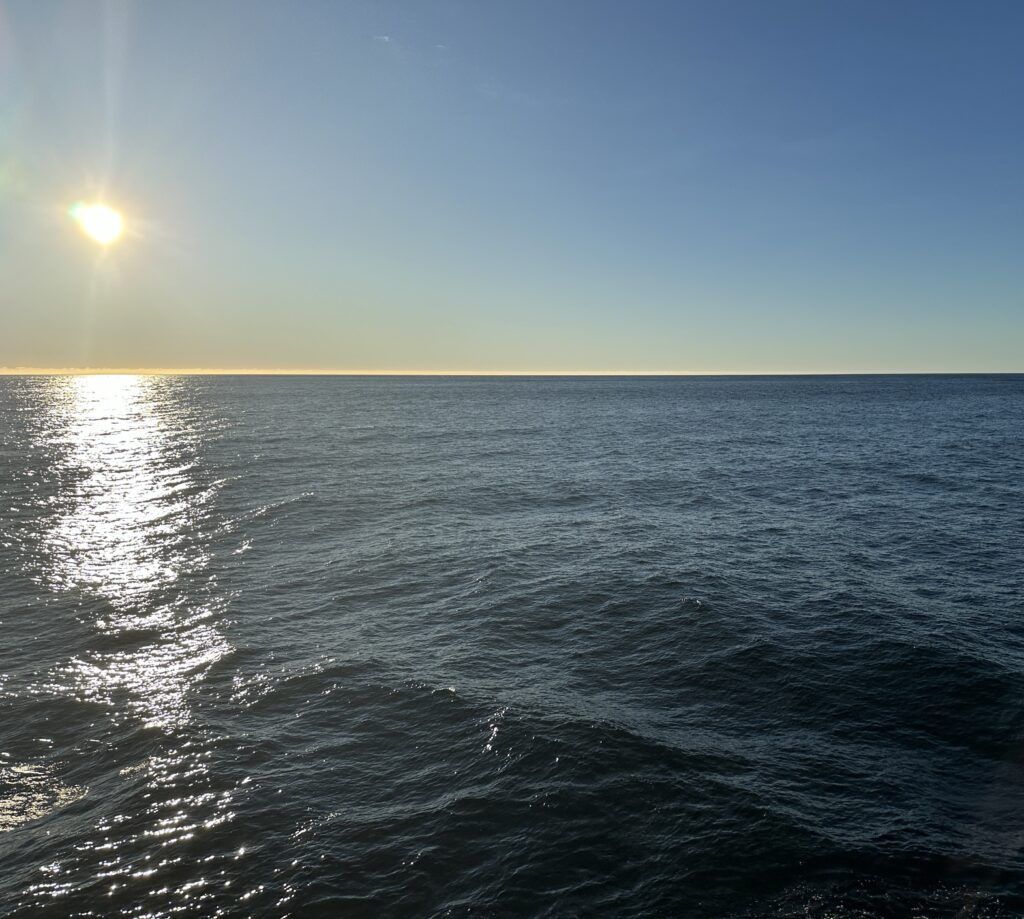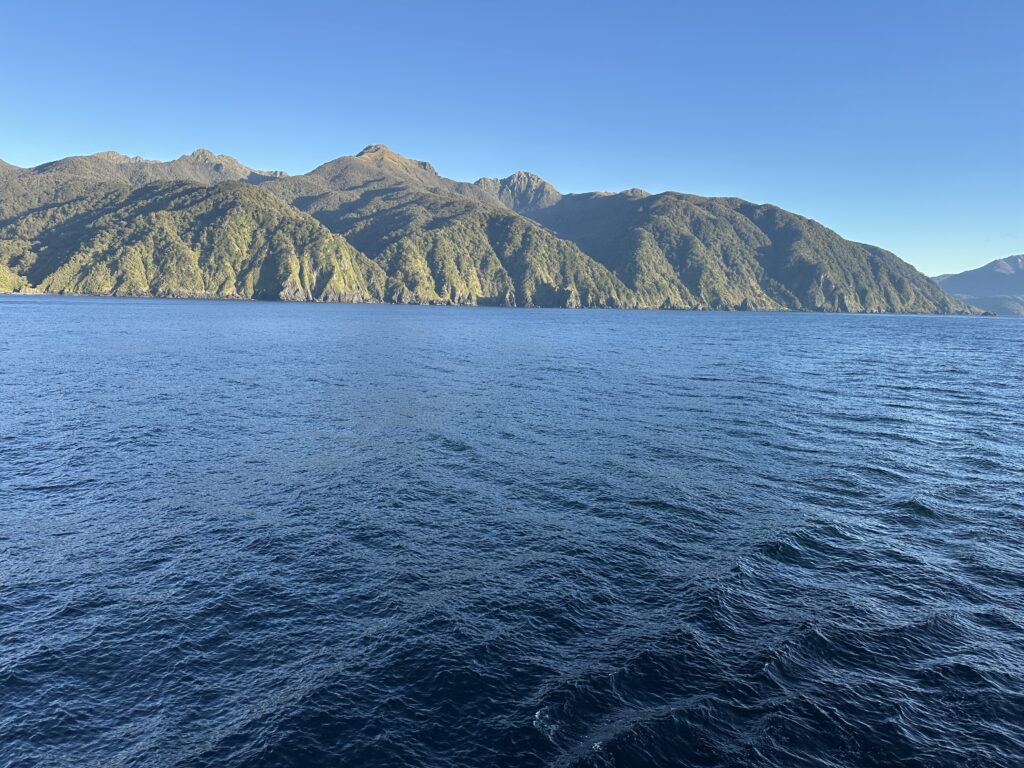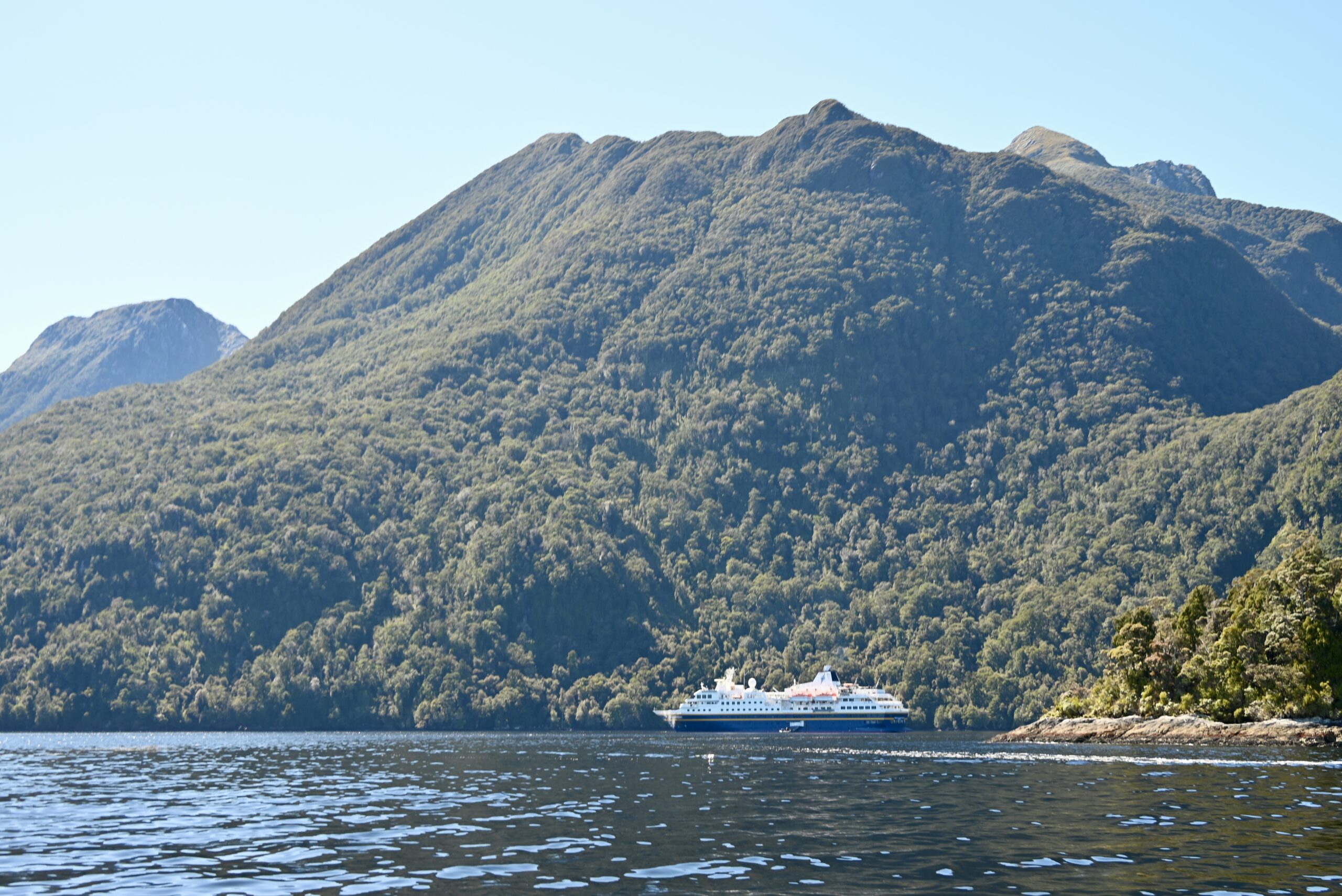
Slept pretty good- some ship engine noise, not much rocking and rolling since we had relatively calm seas. We saw Bottlenose dolphins in the water before breakfast. It’s another beautiful sunny day with a temperature of around 60-70 degrees Fahrenheit.
Today we are in Tamatea (Dusky Sound).
We waited for the loudspeaker call for our group(passengers selected their group last night) and went to the mudroom to put on life vest and, Heritage Expedition provided, rubber water boots. Then we loaded onto our zodiac for this morning’s excursion. There are about ten(10) groups of ten people. The ship has 12 zodiacs available but they don’t put them all out every excursion.
We went on a short zodiac cruise (about 30-45 minutes) and then we landed on Indian Island. This is where Captain Cook made botanical and scientific observations during his exploration of New Zealand in the late 18th century. We walked to the location where the first recorded meeting of a European and Maori occurred. The meeting was recorded in a painting by William Hodges, an artist aboard the ship Resolution captained by Captain Cook. It was Captain Cook’s second voyage to Tamatha Dusky Sound. On the zodiac cruise we saw the Kaka parrot flying overhead- it has bright red under its wings so it’s easy to identify when it flys overhead.
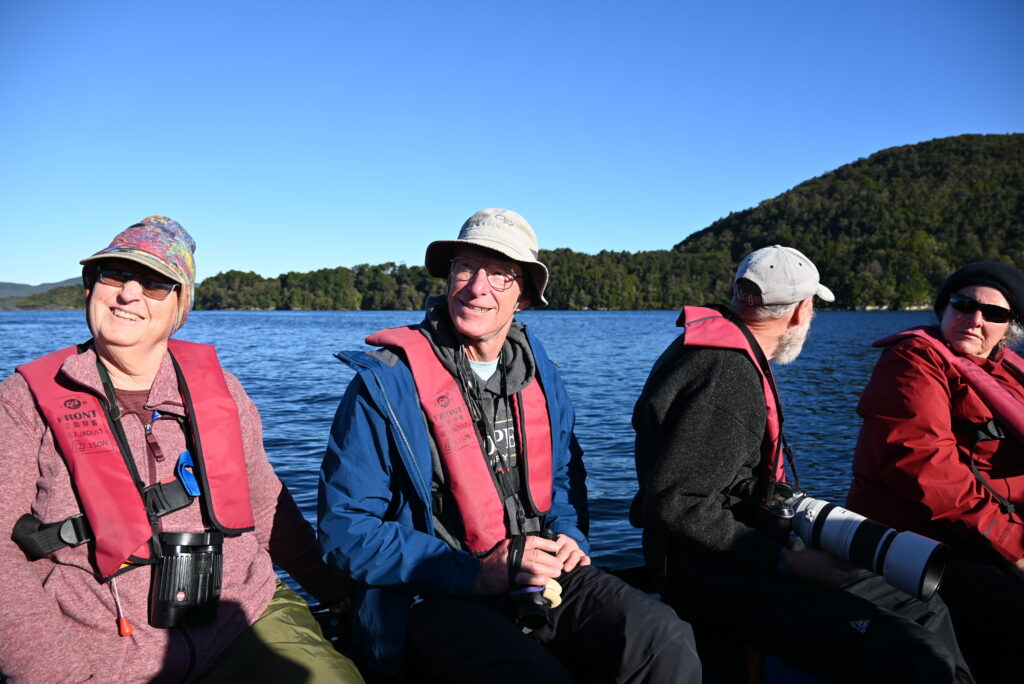
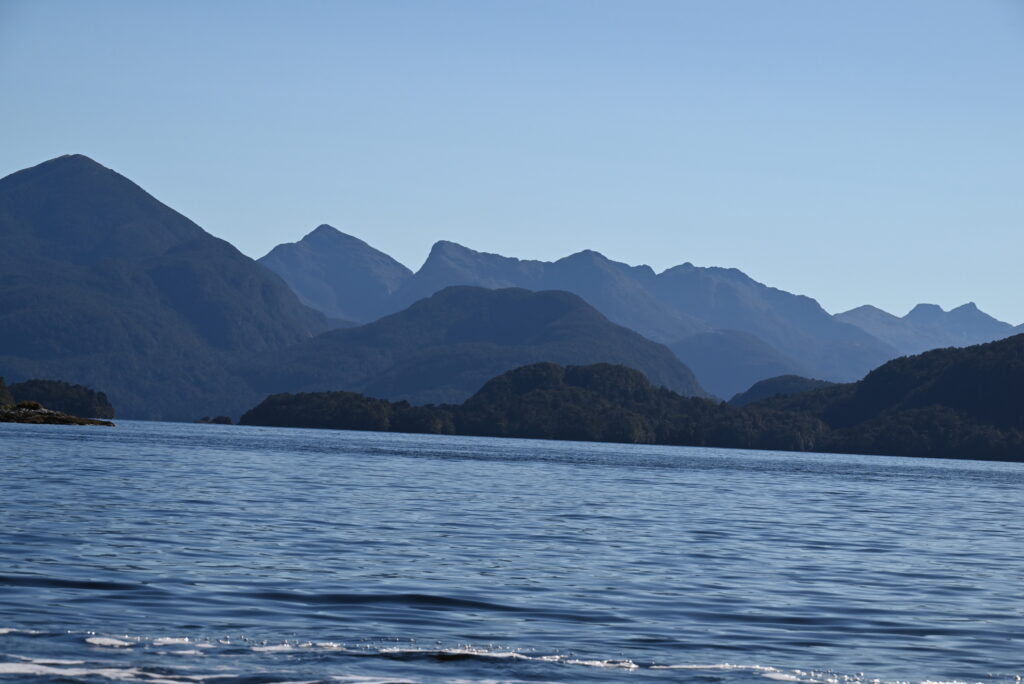
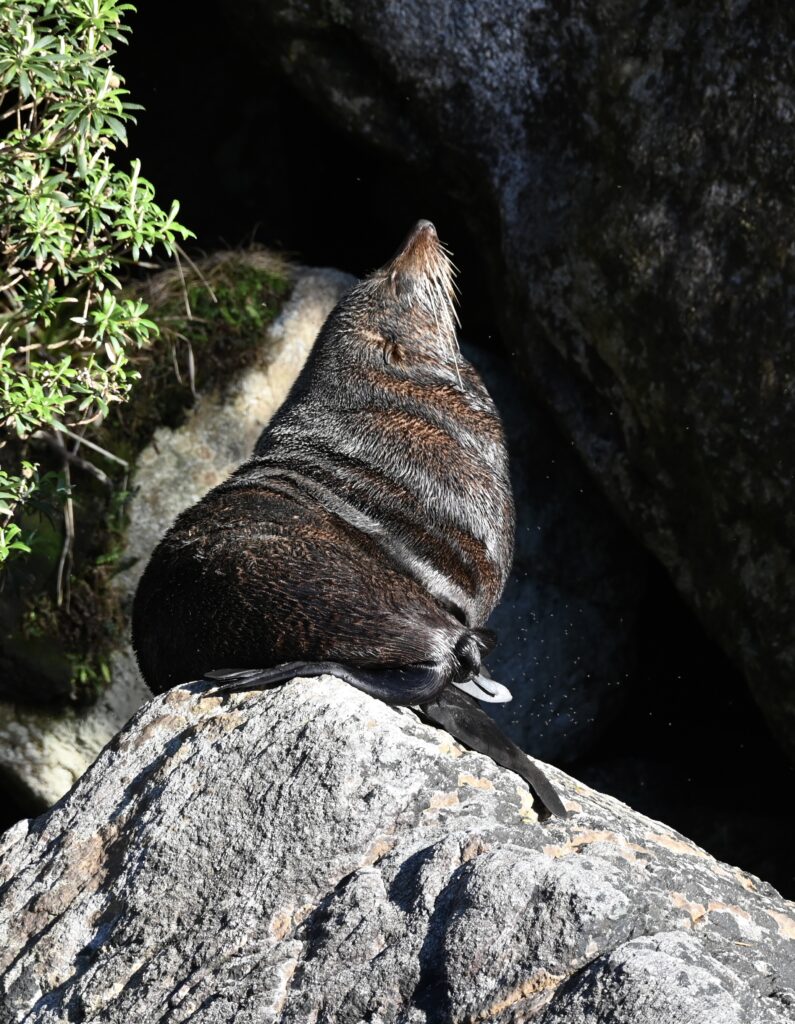
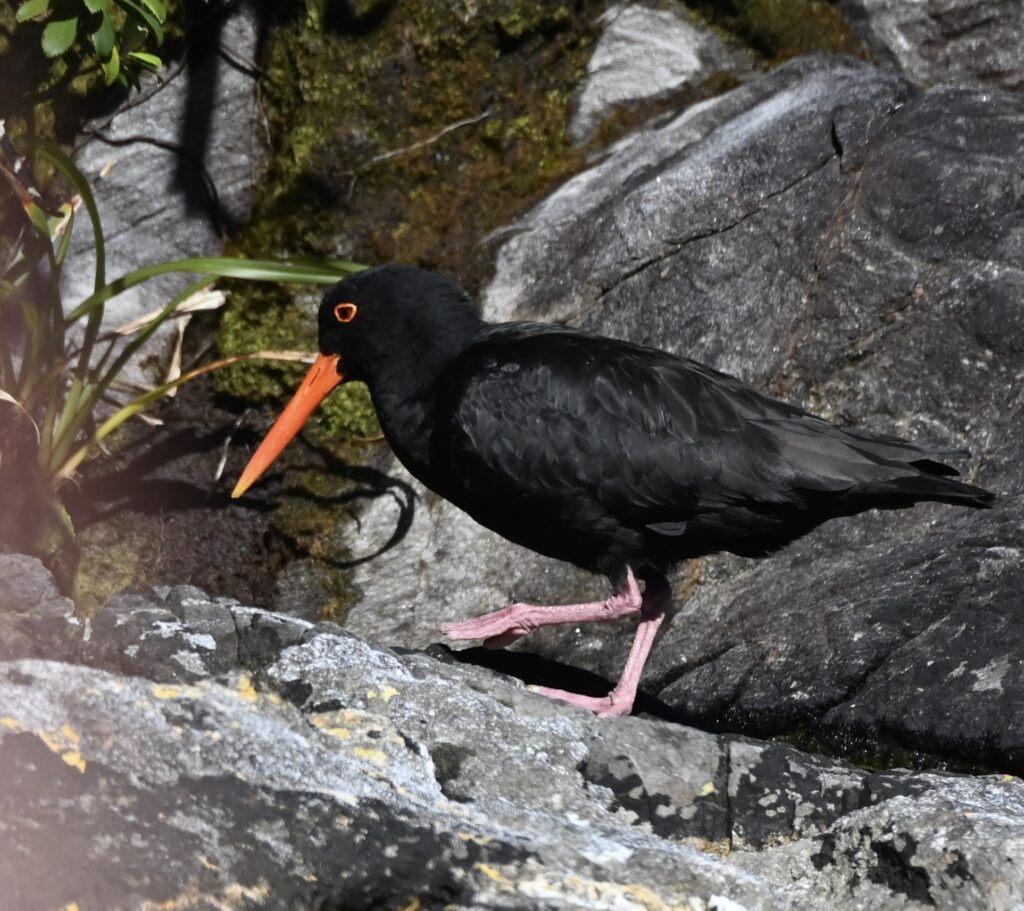
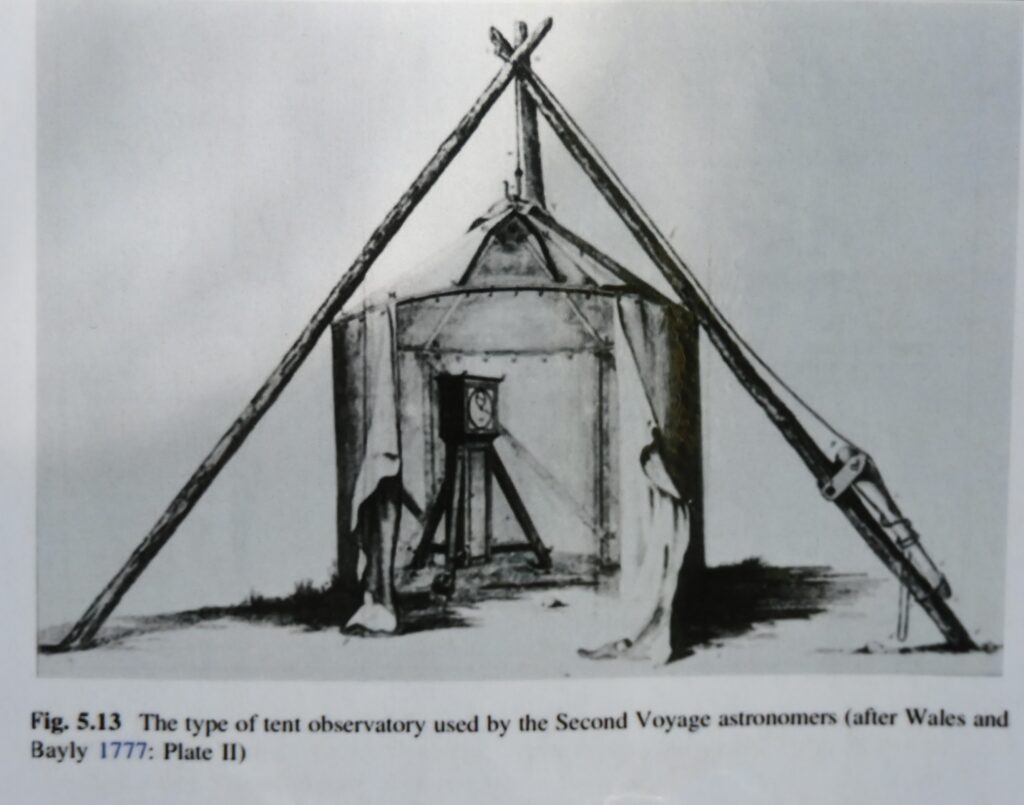
We got back onto the Zodiac and went on another short cruise before landing at Astronomer’s Point in Pickersgill Harbour where we walked on a boardwalk up to the site of a temporary observatory setup during Cook’s second voyage (1773). It was used to accurately fix New Zealand’s position using chronometers, making it the most precisely located place globally at the time, The maps made by Captain Cooks crew were the most accurate in the world and even using today’s satellite technology they are accurate.
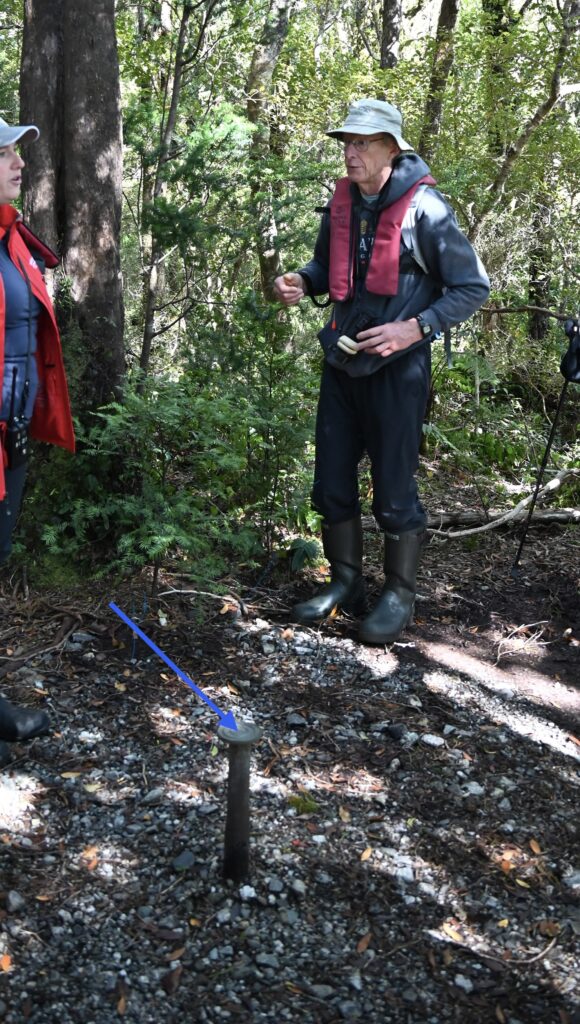
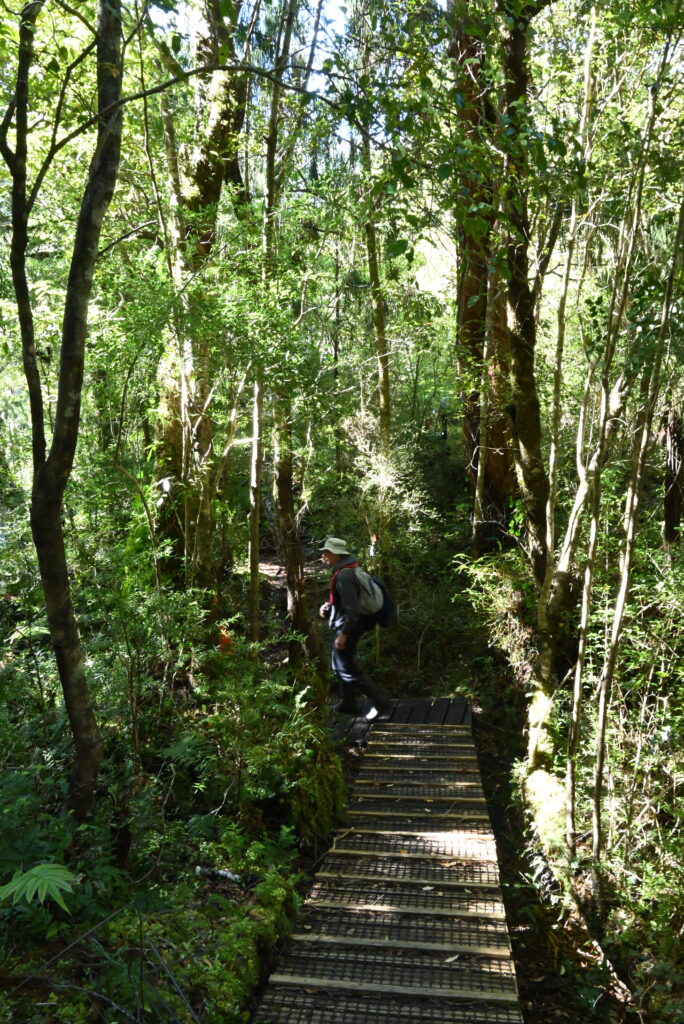
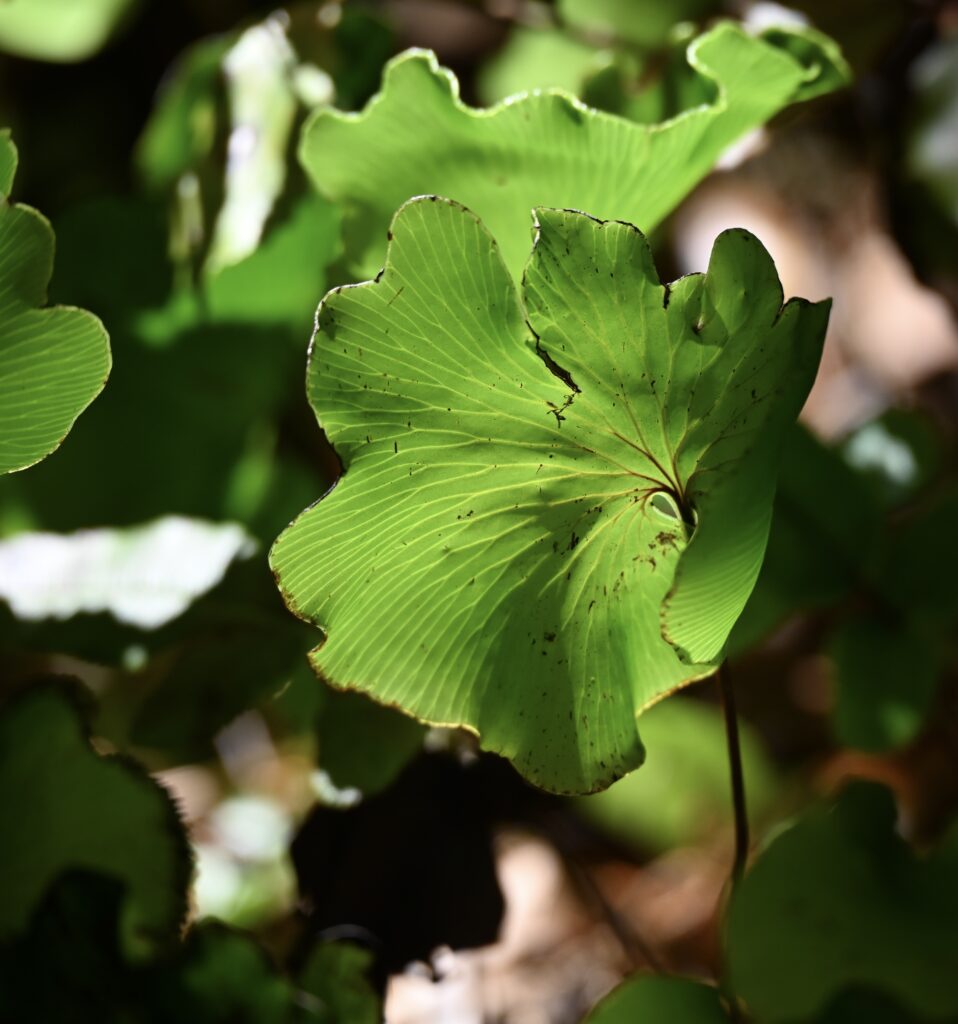
There were quite a few sand flies at both stops and I got bit a number of times even after putting on mosquito repellent. One interesting item of note- on the first stop(predator-free island) we heard many bird calls while on the second stop(NOT predator free) we only heard one bird call.
We learned that there is so much rain (they get 7 meters of rain a year) that there is a layer of fresh water on top of the ocean water. This fresh water acts as a lens and reduces the amount of sunlight entering the water. They have found some deep dwelling animals e.g. Black Coral living in much shallower water than usual. Black coral is typically in waters over 100 meters deep but are found in 20 meter water in these fjords.
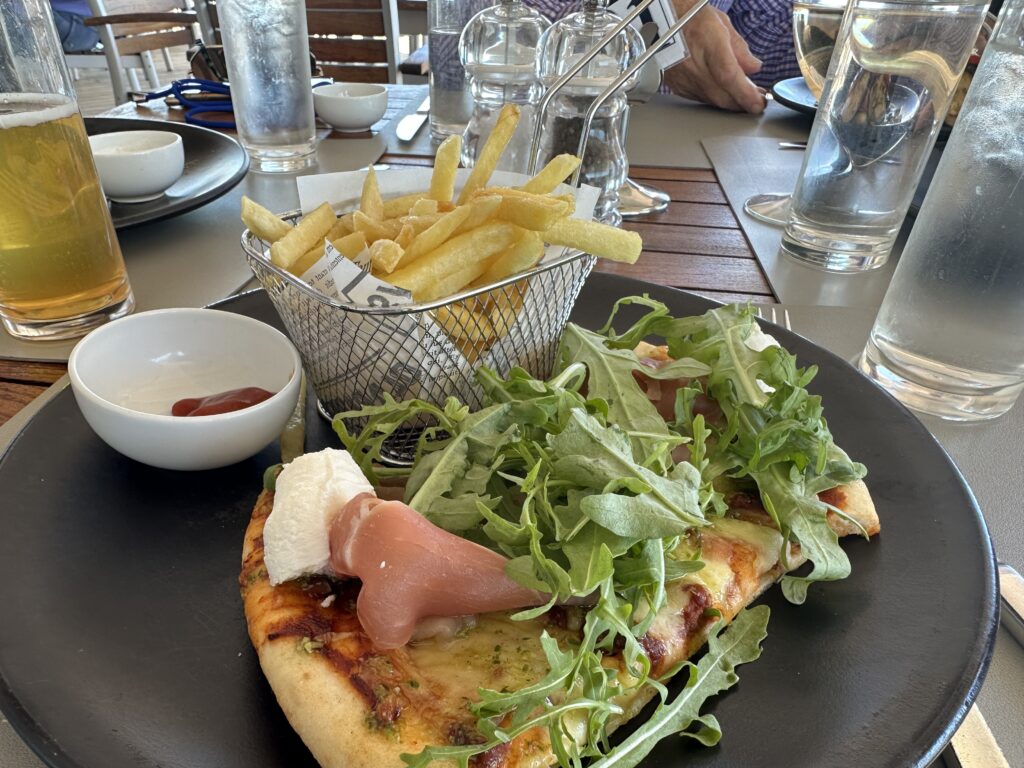
After the landing we headed back to the ship and had lunch at the Bistro. It wasn’t my favorite meal. It was supposed to be pizza but it had all sorts of fancy stuff on it. Dessert was tasty.
After a short rest, we were ready for our afternoon excursion. This was a zodiac cruise in Facile Harbour followed by a landing. The landing was at Pigeon Island, the island where Richard Henry lived. He was a self-taught naturalist, and the first caretaker of Resolution Island, a crucial role in establishing NZ’s first island wildlife sanctuary. He famously relocated hundreds of endangered birds to offshore havens using innovative, hands-on methods laying groundwork for modern relocation conservation. He was unknown while alive yet is now widely known as the 19th century New Zealand conservationist because of his amazing, detailed reports and maps that were used by future conservationists.
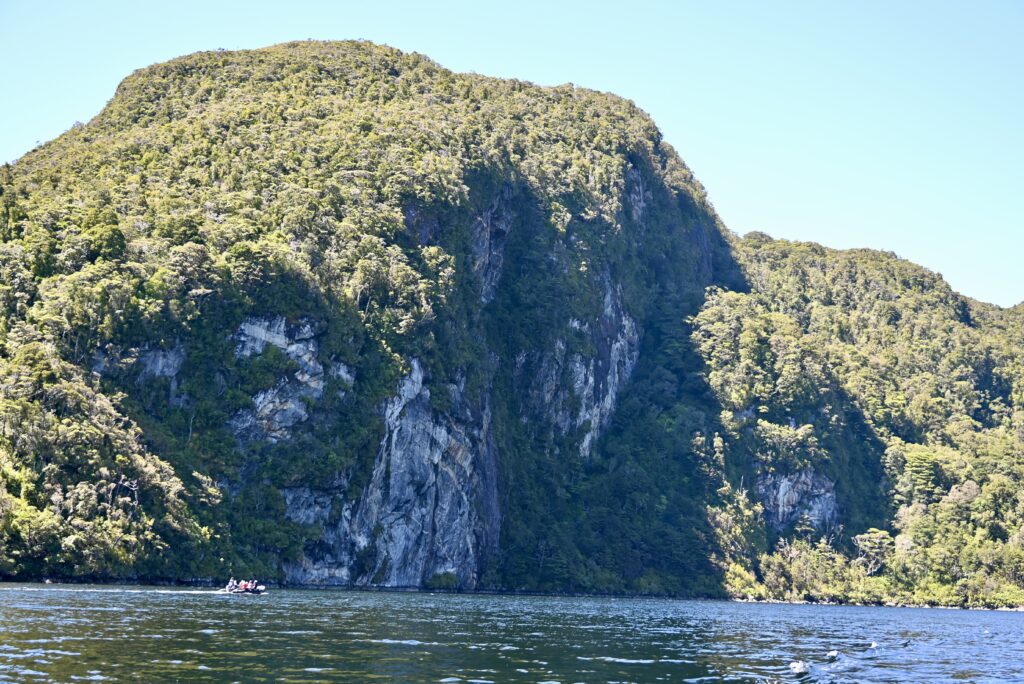
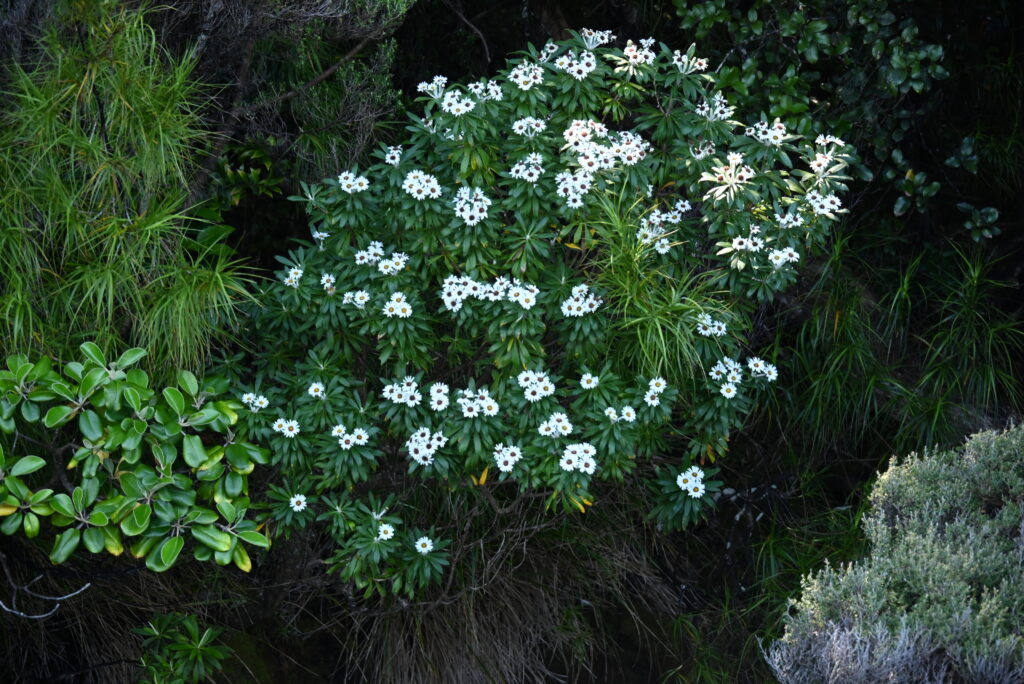
The two pictures below were taken about 9pm at night!