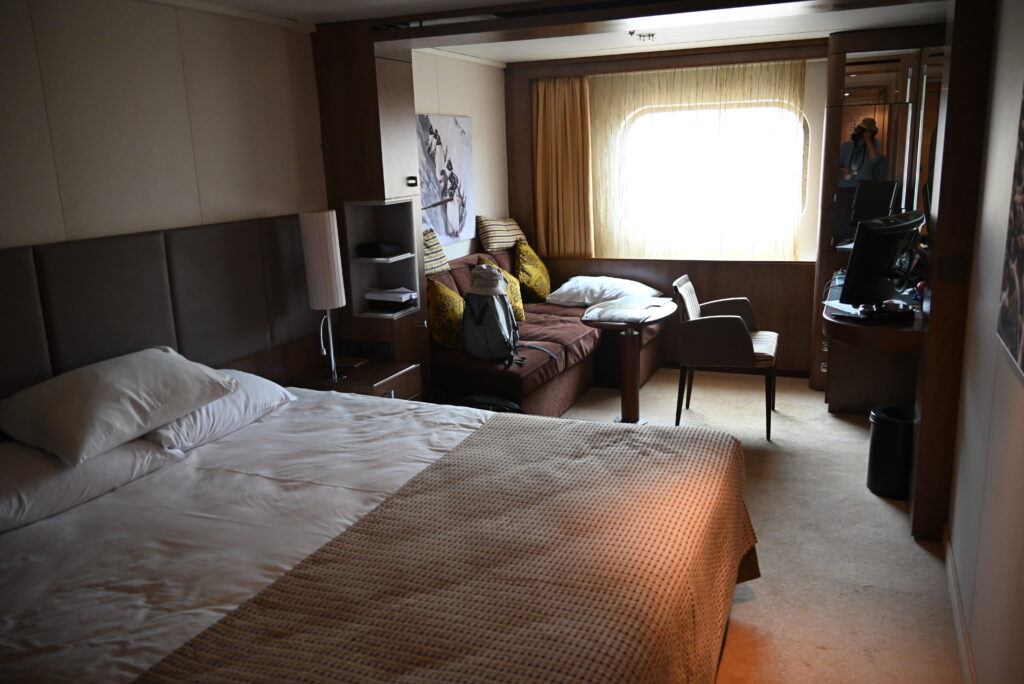
Today is the official boarding day of the “Galapagos of the Southern Ocean” cruise. Almost all passengers will disembark today (only 5-including the 3 of us- are staying on) and we will get a full ship worth of new passengers in the afternoon
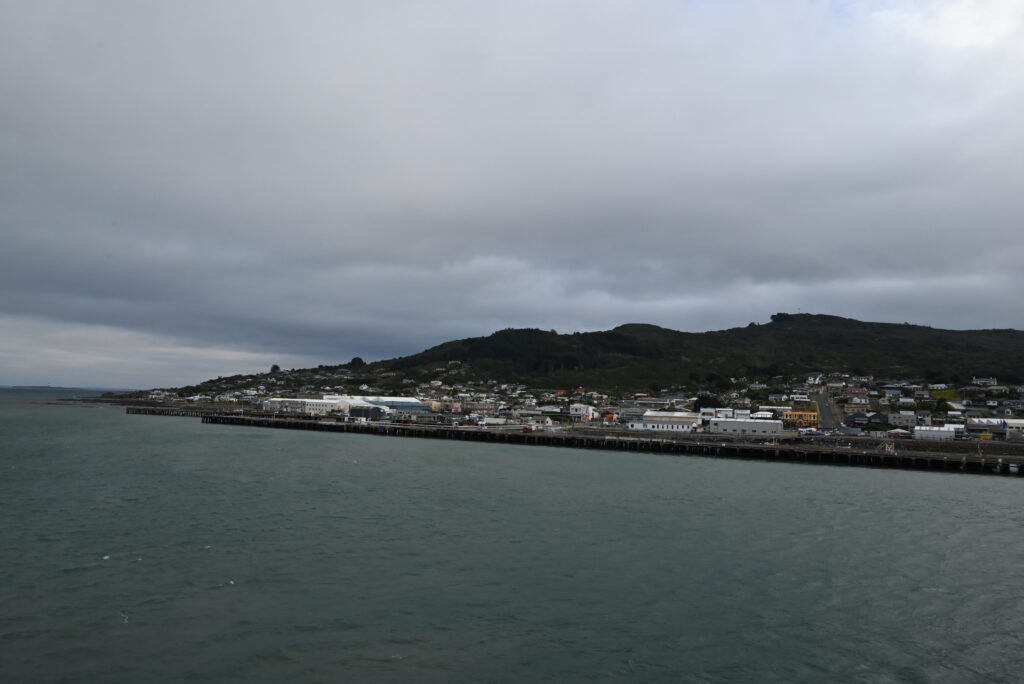
The staff asked “what do you want to do today” and we said “what would you recommend” and they said “hike on Bluff Hill” so we said “we’d like to hike on Bluff Hill”. It was amazing, the cruise director drove us to the start of the hike and then when we were finished, she picked us up and brought us back to the ship.
Yesterday the highest temperature in all of New Zealand was in Milford sound. Thank goodness it wasn’t that hot today it was about 60 degrees.
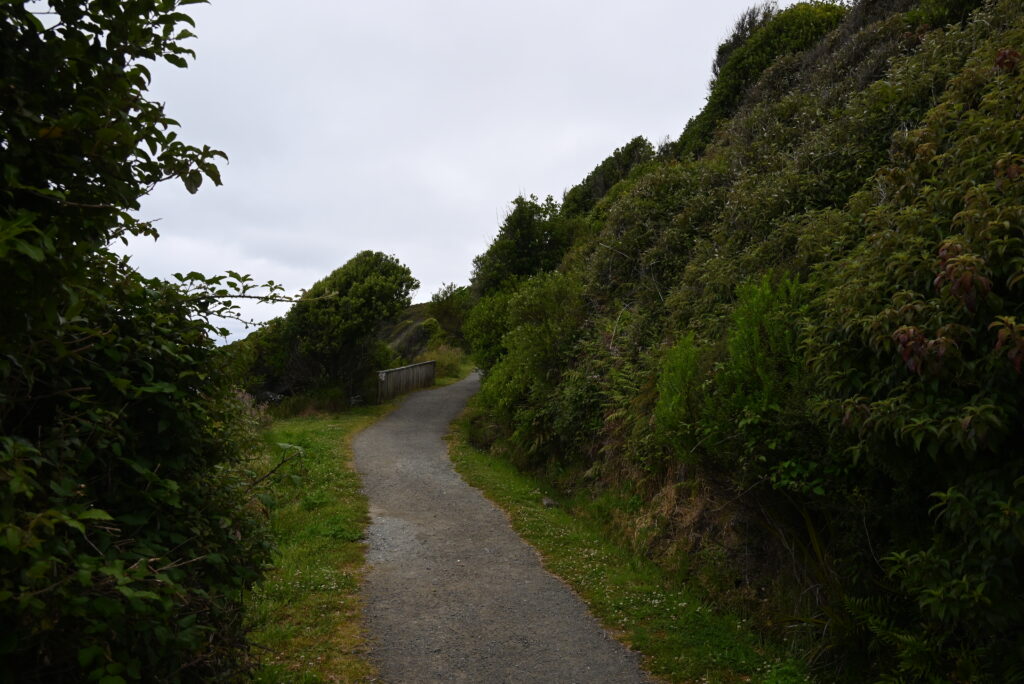
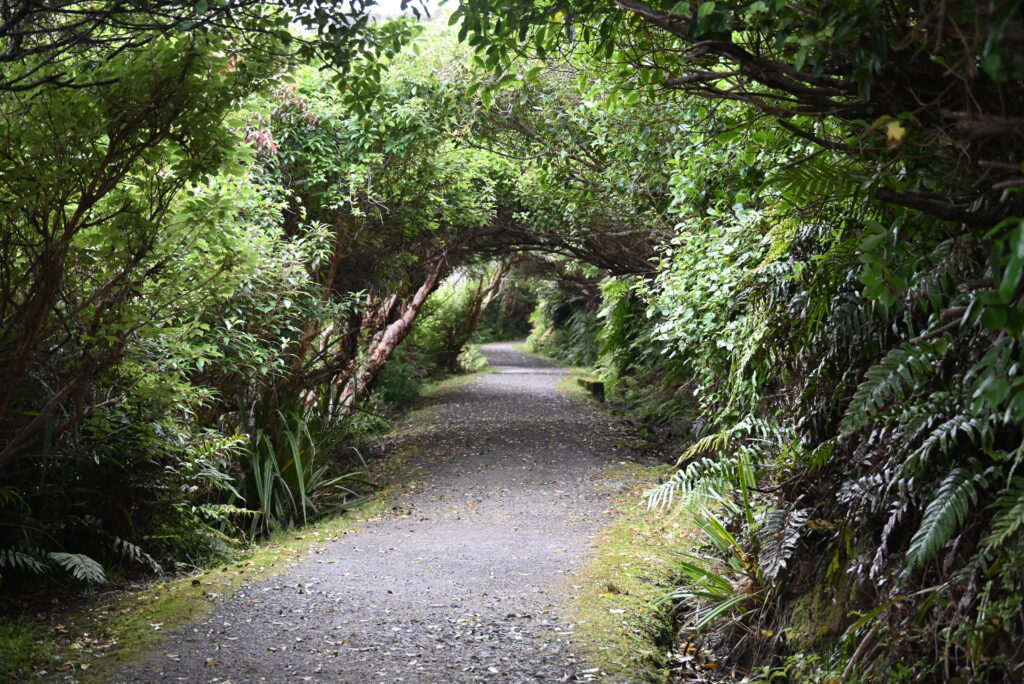
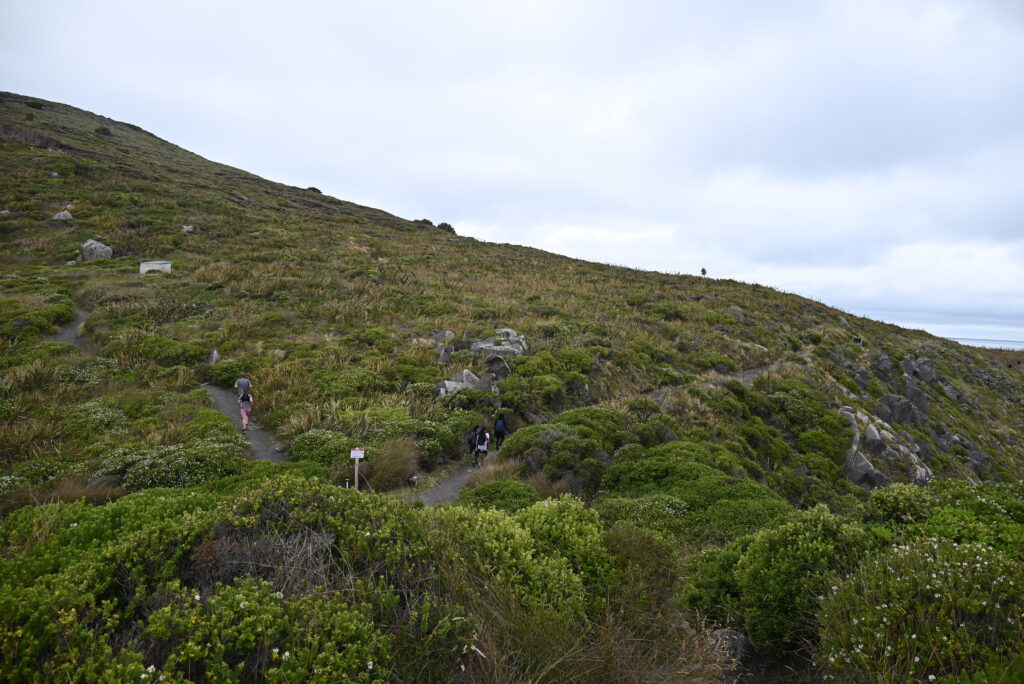
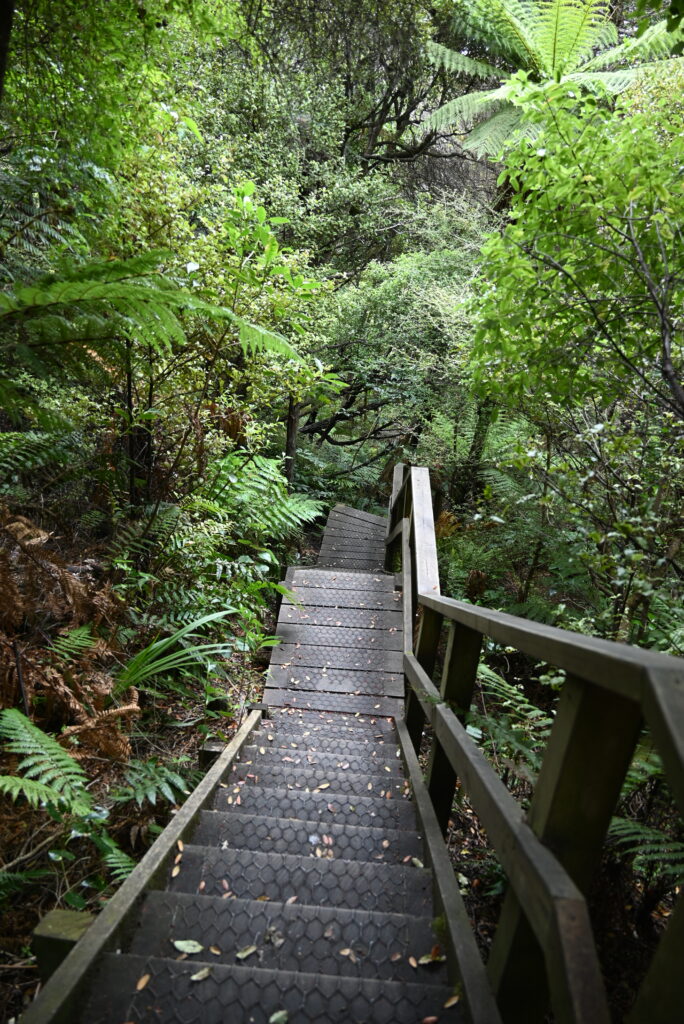
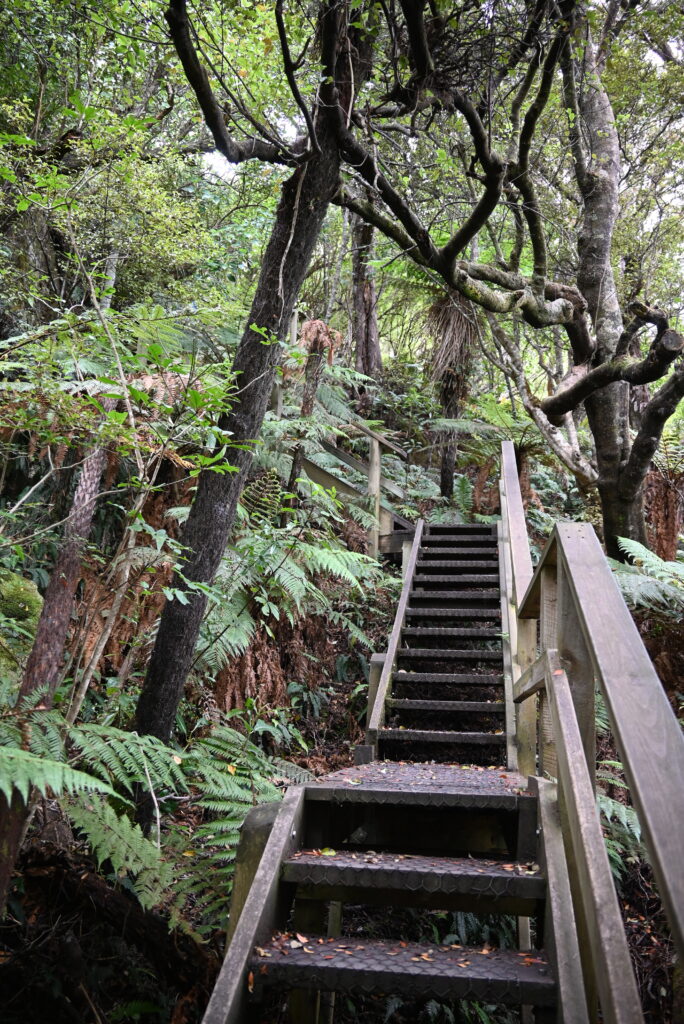
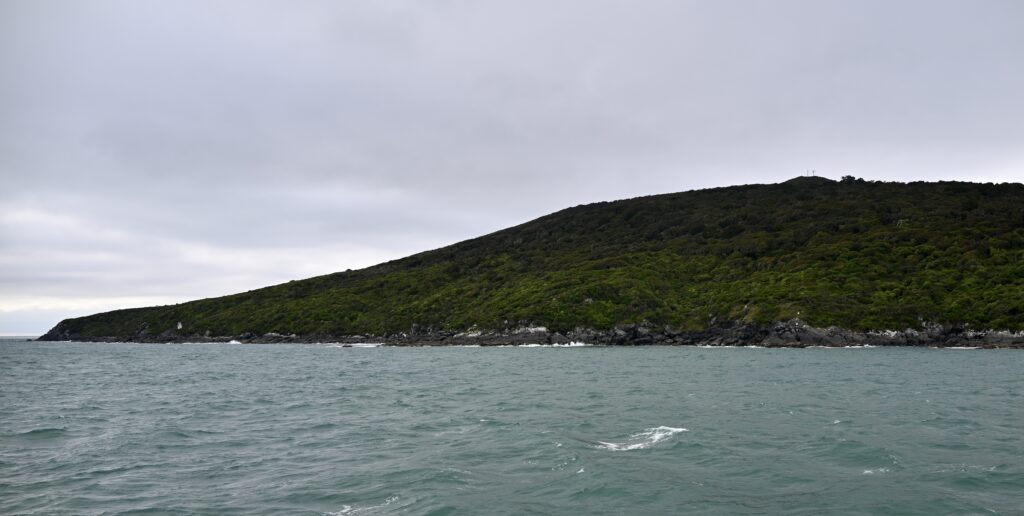
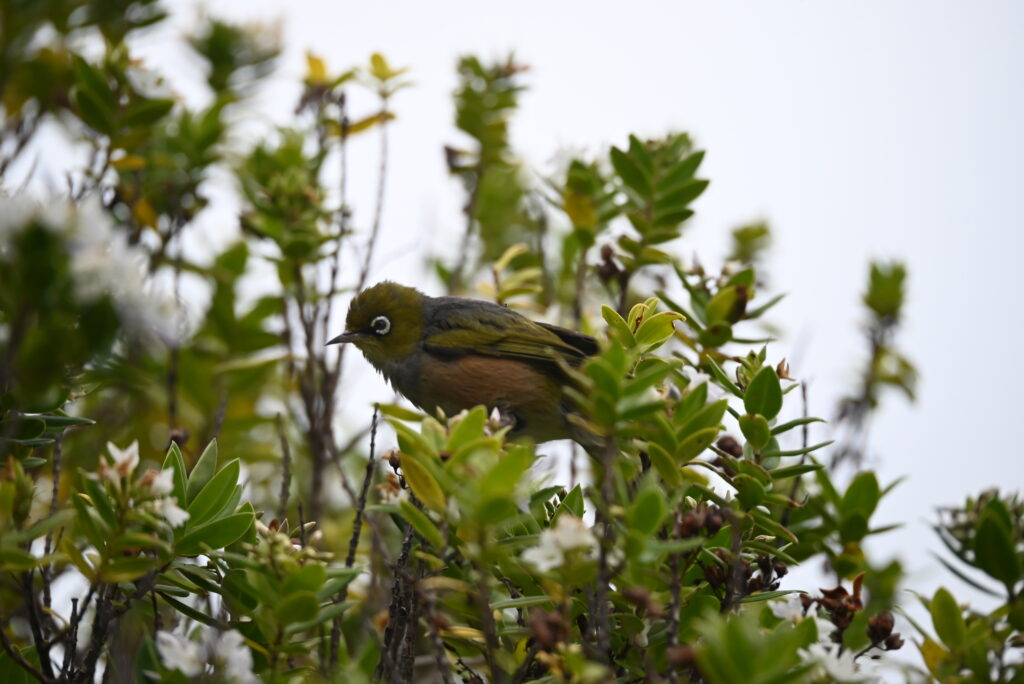
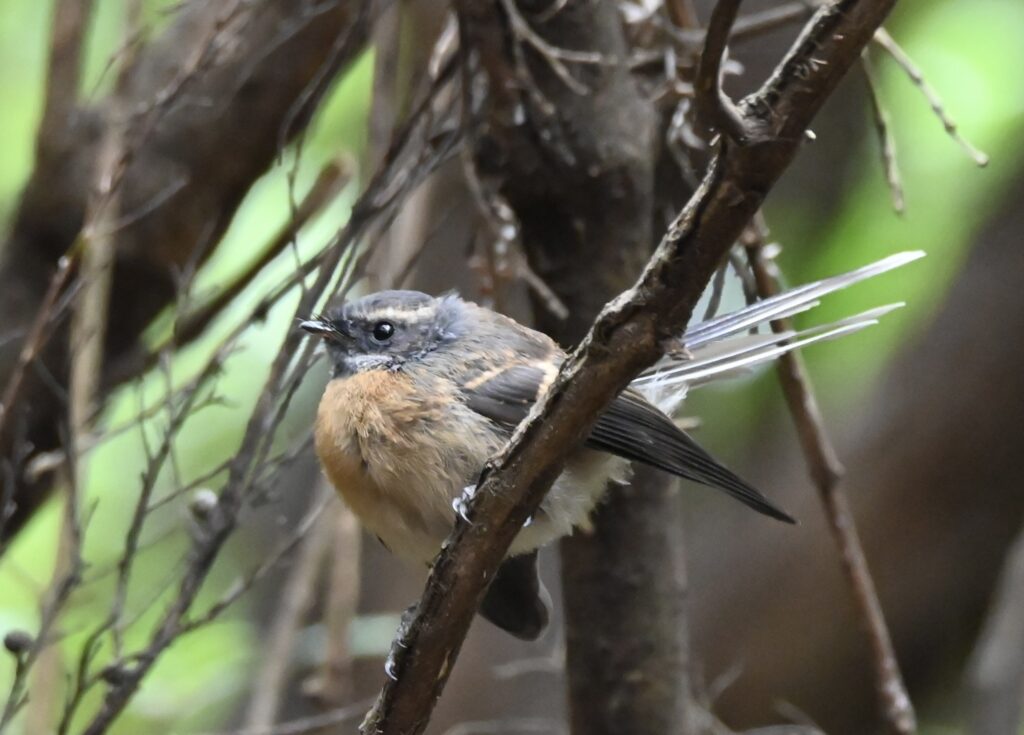
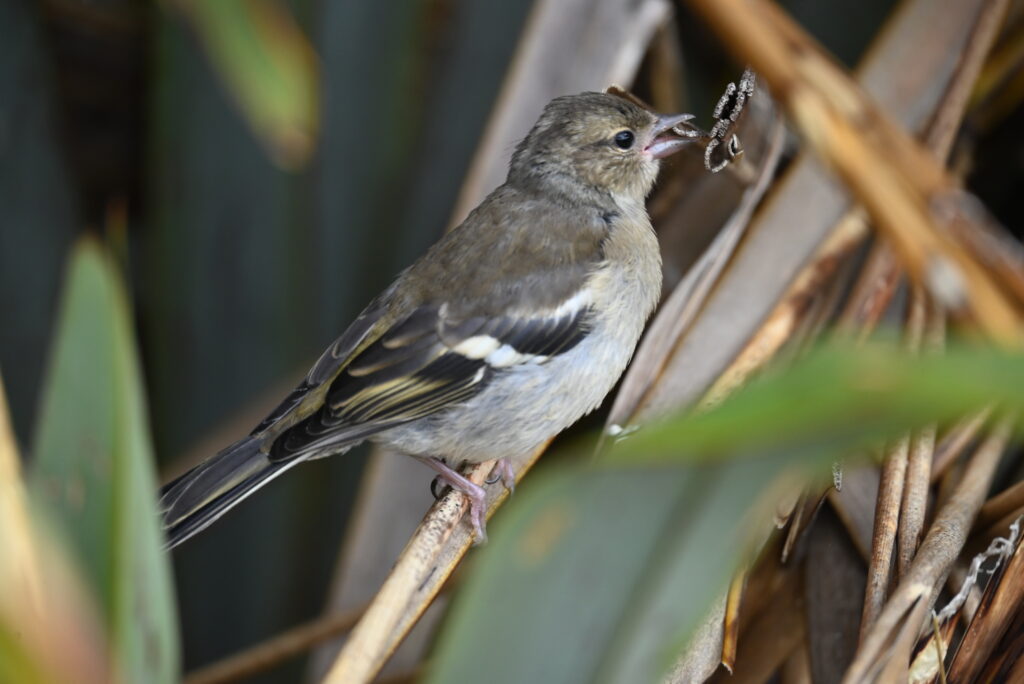
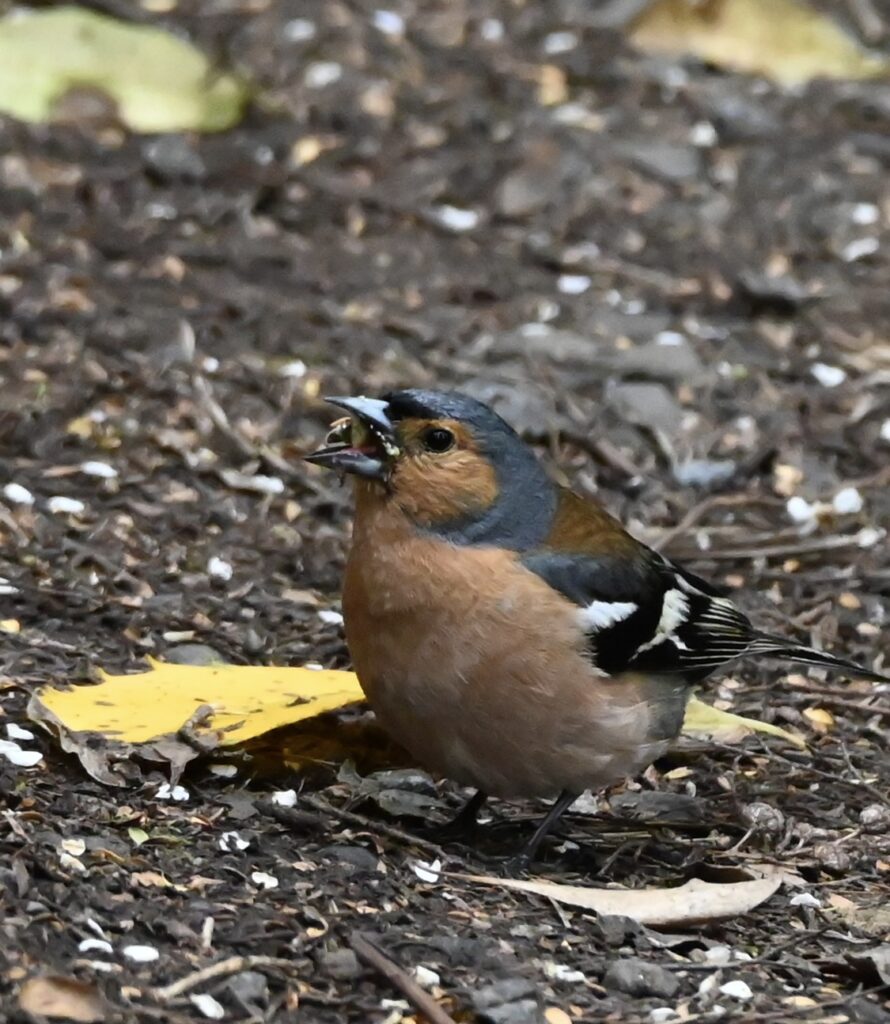
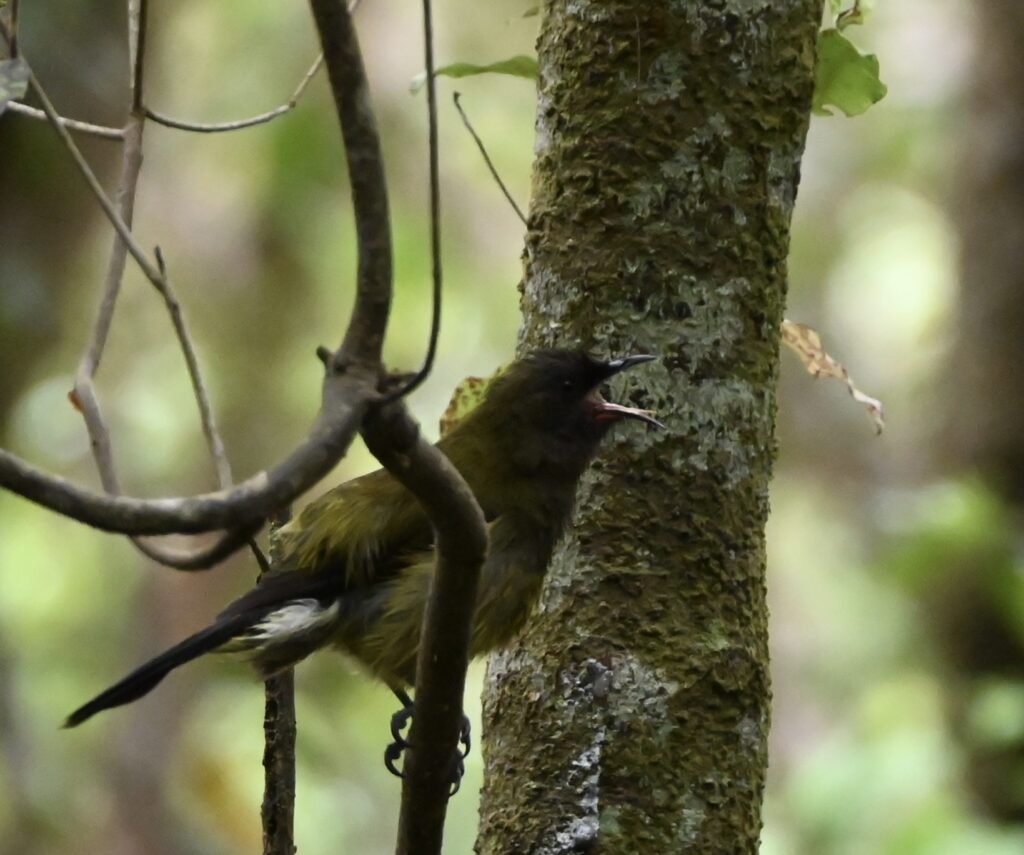
We really enjoyed the hike it was around a peninsula and we were up a bit from the ocean and then we went up hill and inland to the top of Bluff Hill. On the way down from the top of the hill we took the longer path so we could see the native forest. We had some amazing bird songs at various points along the trail and we even saw some of the birds that were singing and calling. We ended up walking aver 6 miles.
We got back to the ship about 3:30/4pm just before the new passengers embarked. And we participated in all the briefings we had the first day we joined the cruise- safety drill, introductions, and zodiac briefing and because we were kayaking we had a short introduction to the kayaking group and basic info on how it would work.
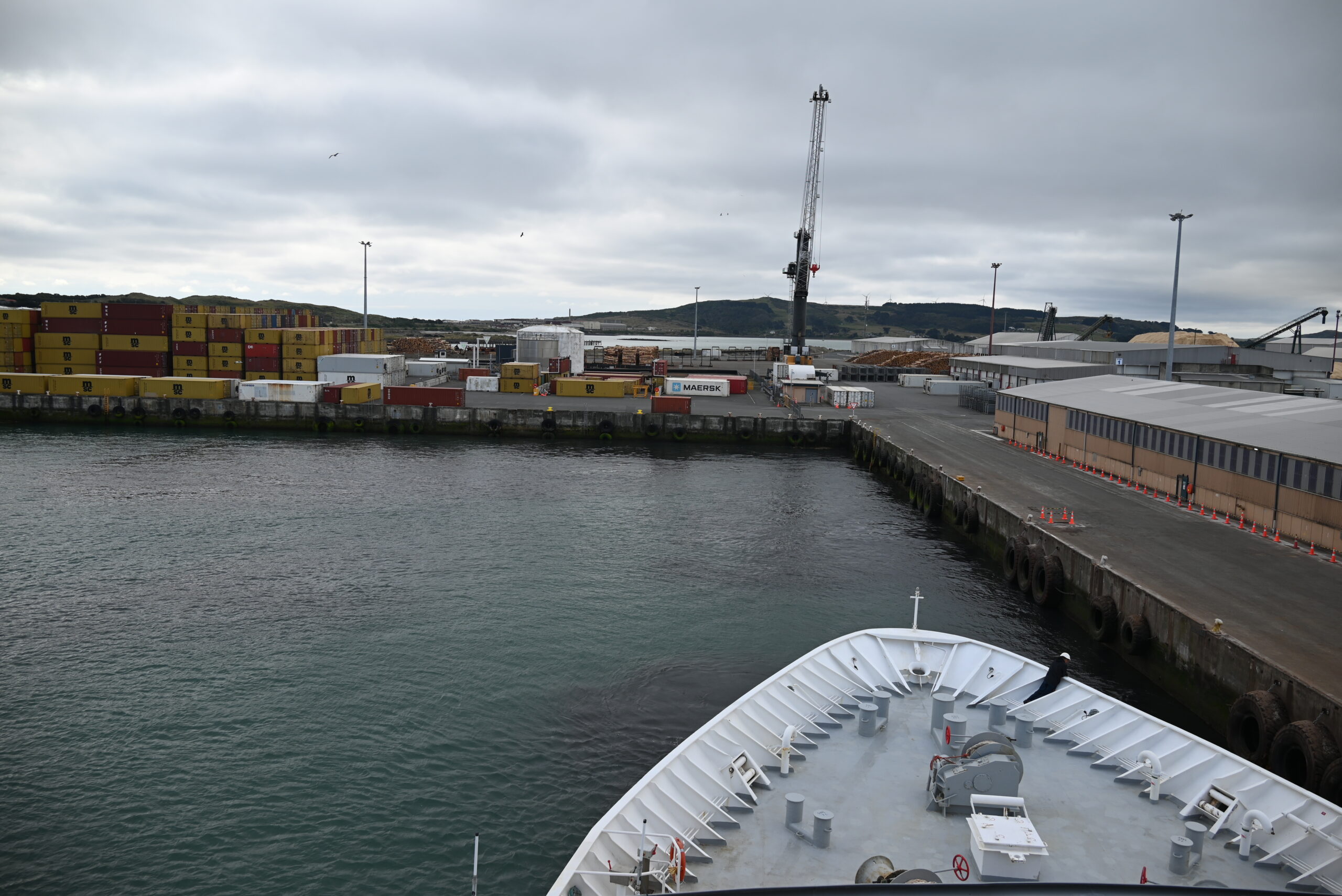
We left Bluff about 6:30pm.
Pictures of the trail.
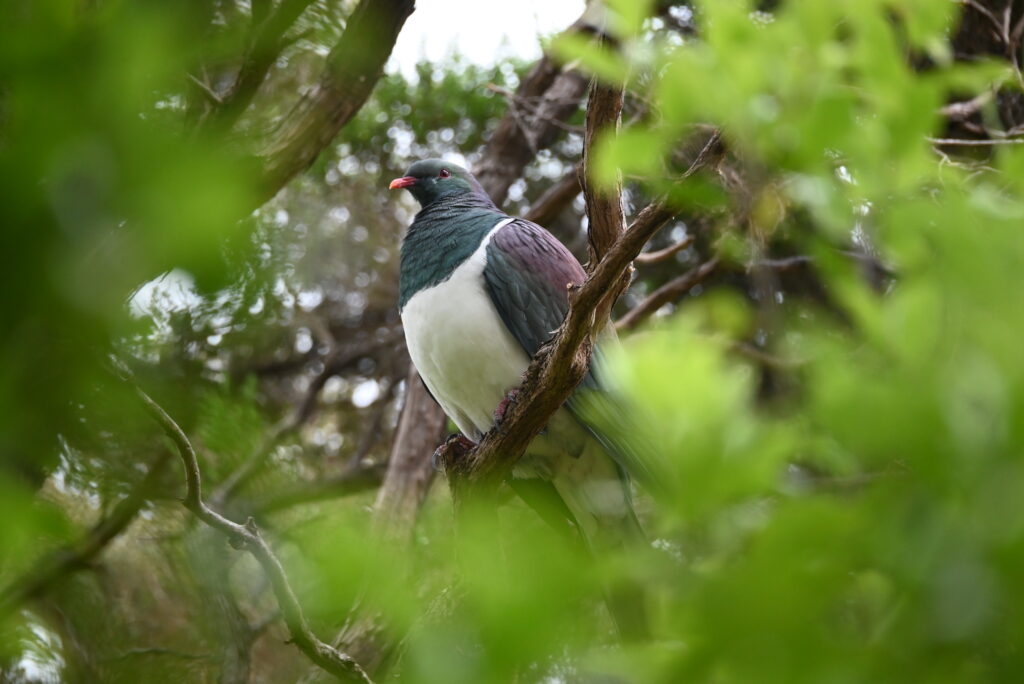
Pictures of some of the birds we saw on the trail.
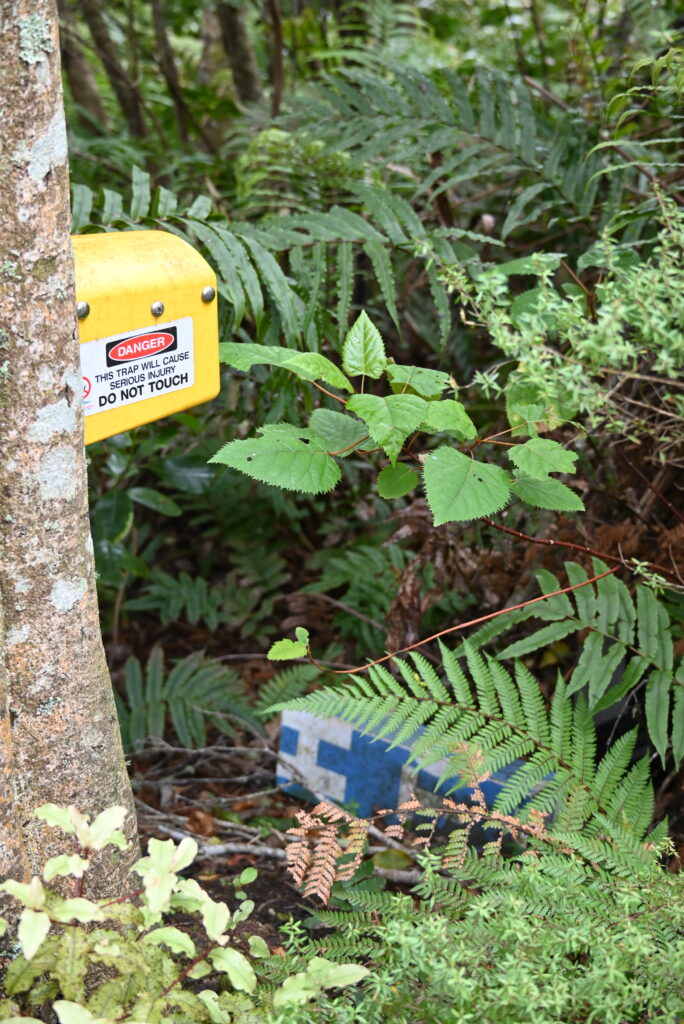
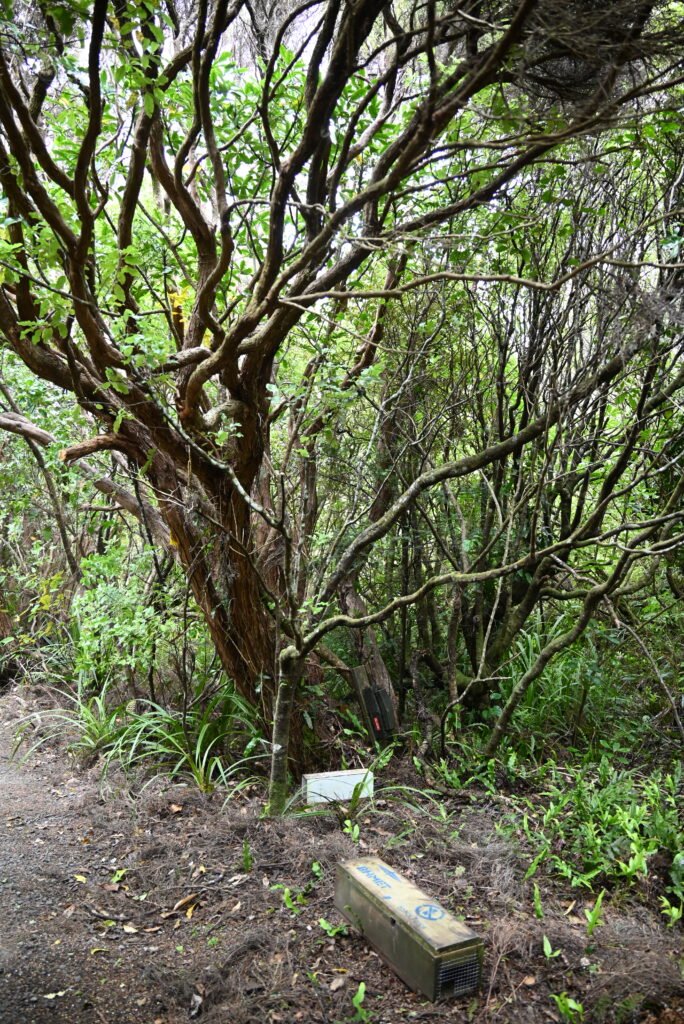
New Zealand had no mammals until they came over on ships. They have decimated the native birds. Many of the native birds were flightless and nested on the ground. The mice, rats, cats, pigs, etc ate the eggs, birds and their food source. Quite a few species went extinct and a few are on the verge of extinction. Many of the nearly extinct species live on remote islands. New Zealand is trying to eradicate all predators- especially on those islands with the animals that are nearly extinct. They use various means of killing these predators- poison, shooting, and special traps that kill them. We saw many, many traps along the trail. Islands that have no predators are called predator-free islands.
We have noticed that there is much more birdsong on predator free islands. Also there is more underbrush and more varied vegetation in the predator free islands. New Zealand is spending quite a lot of money to become predator free across the country.