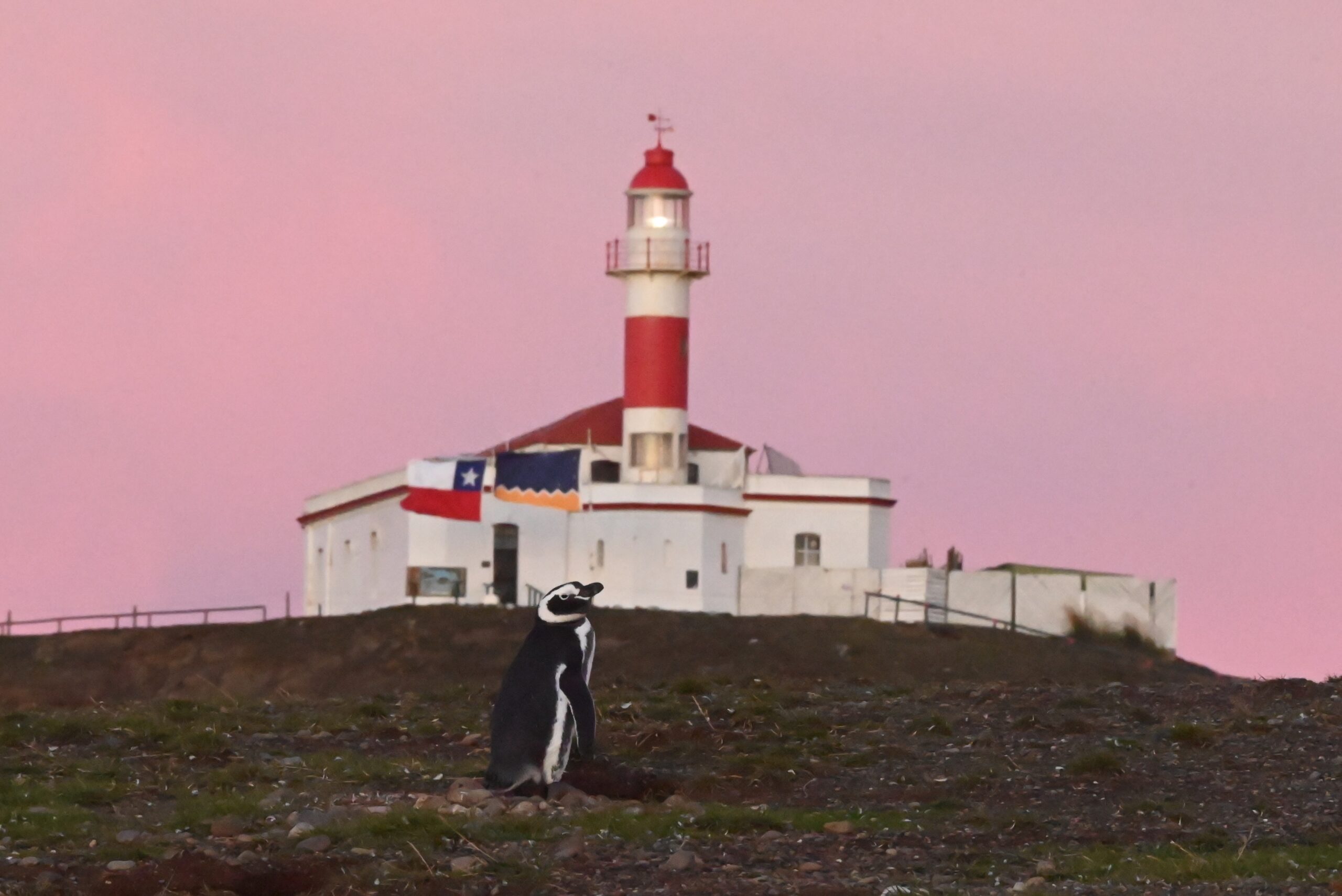
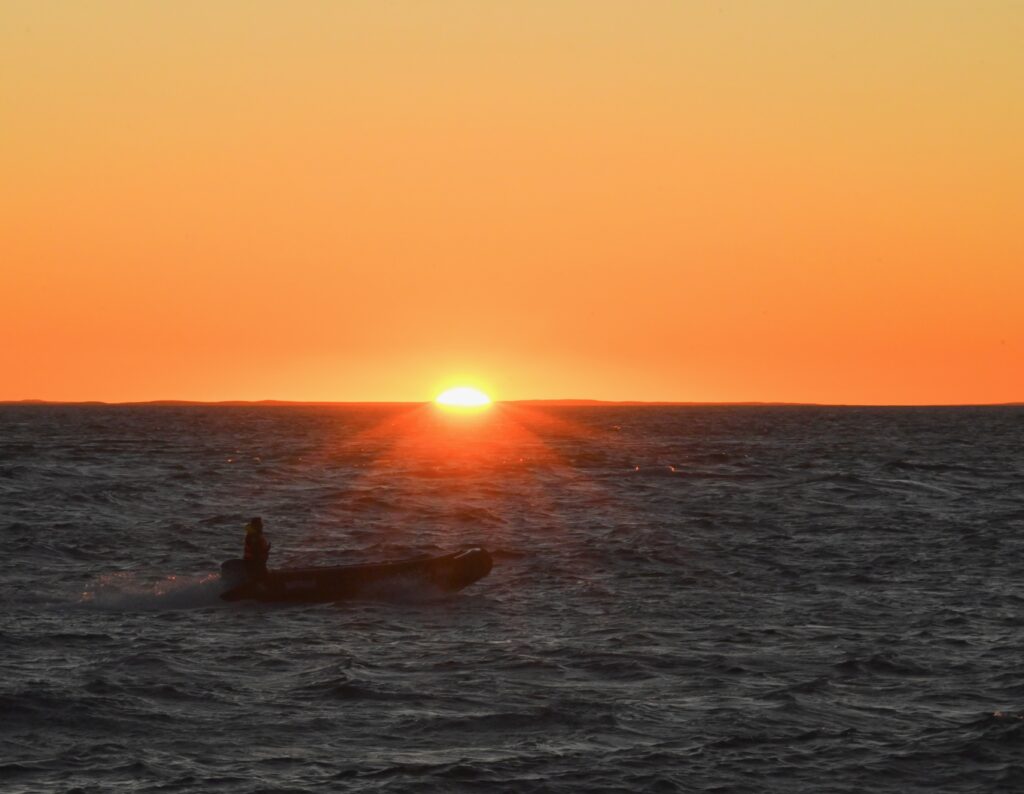
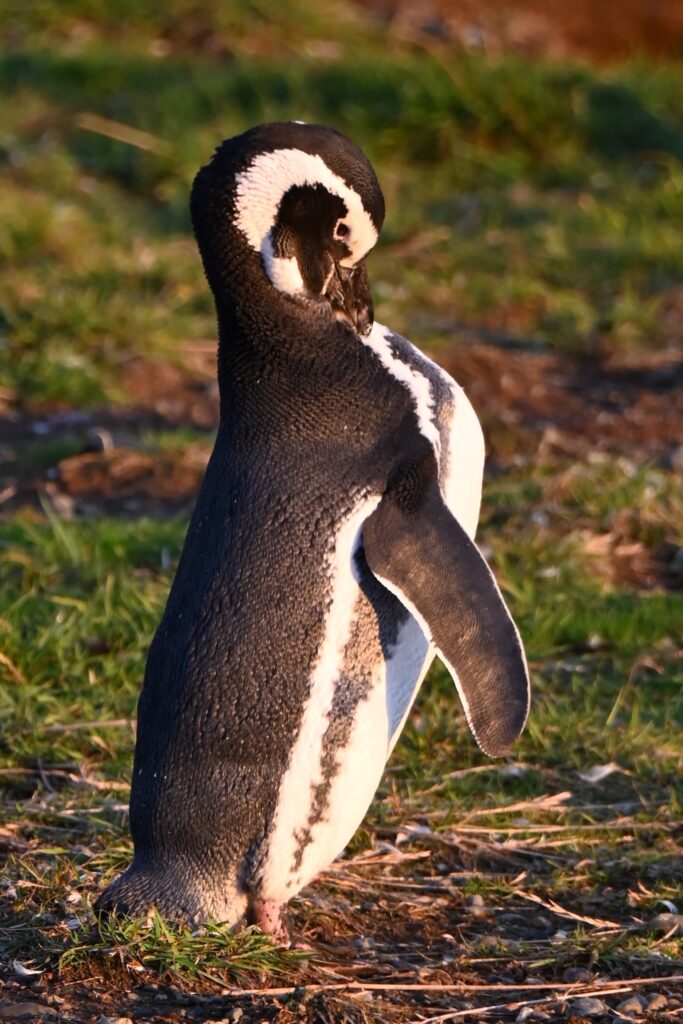
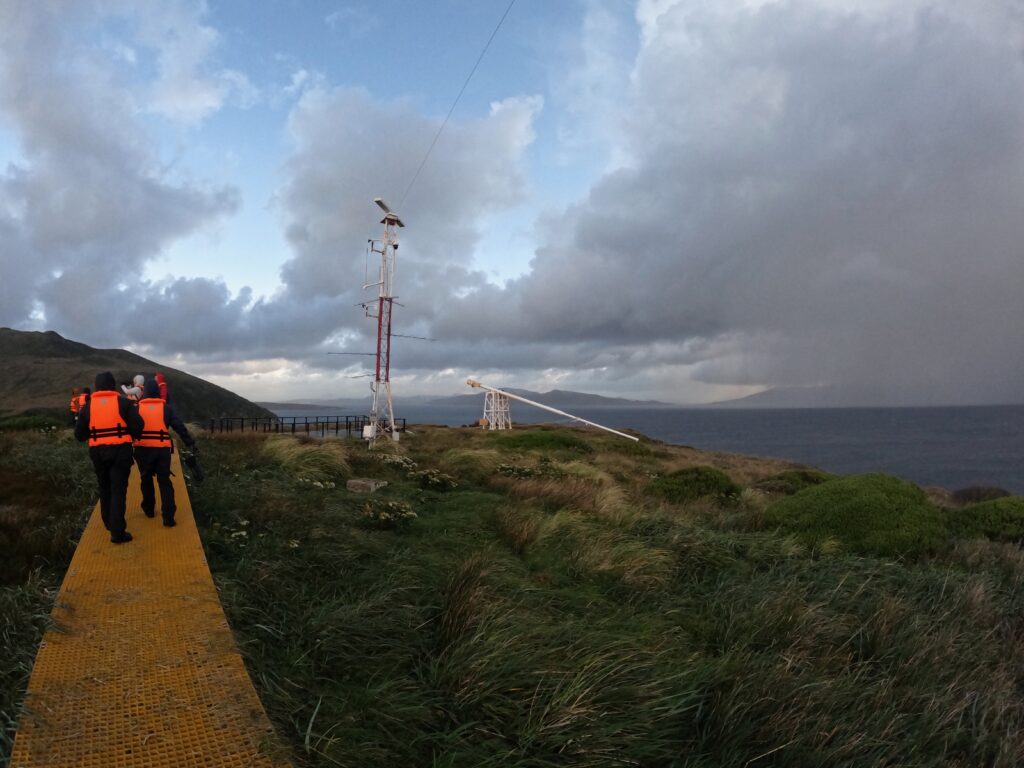
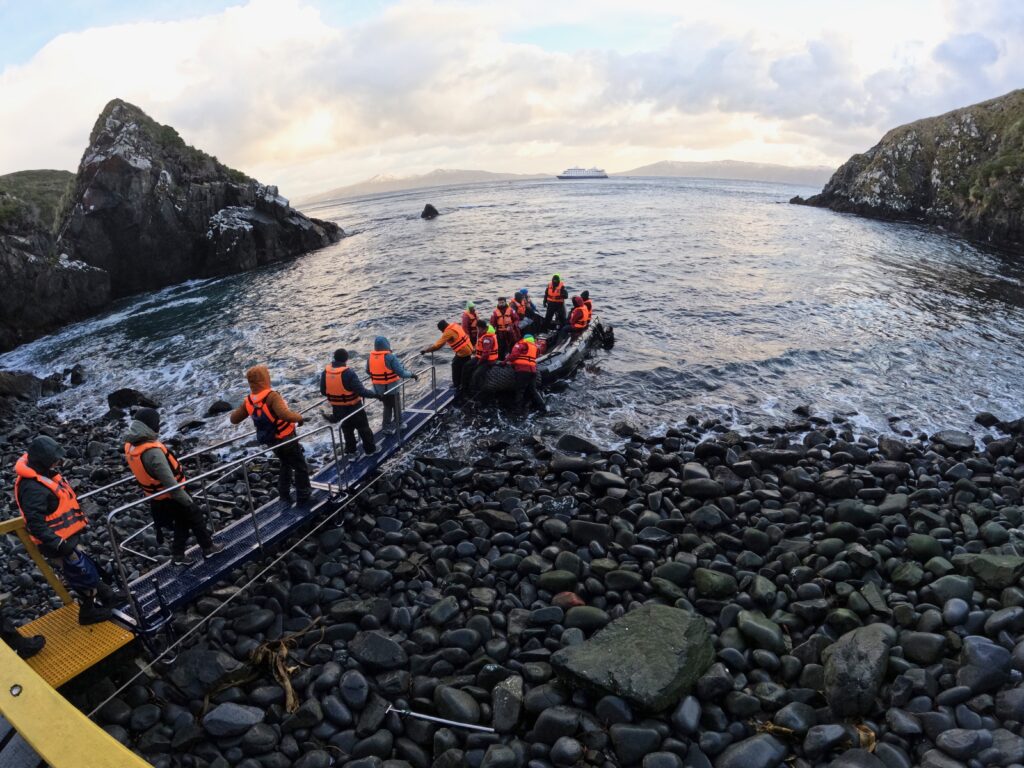
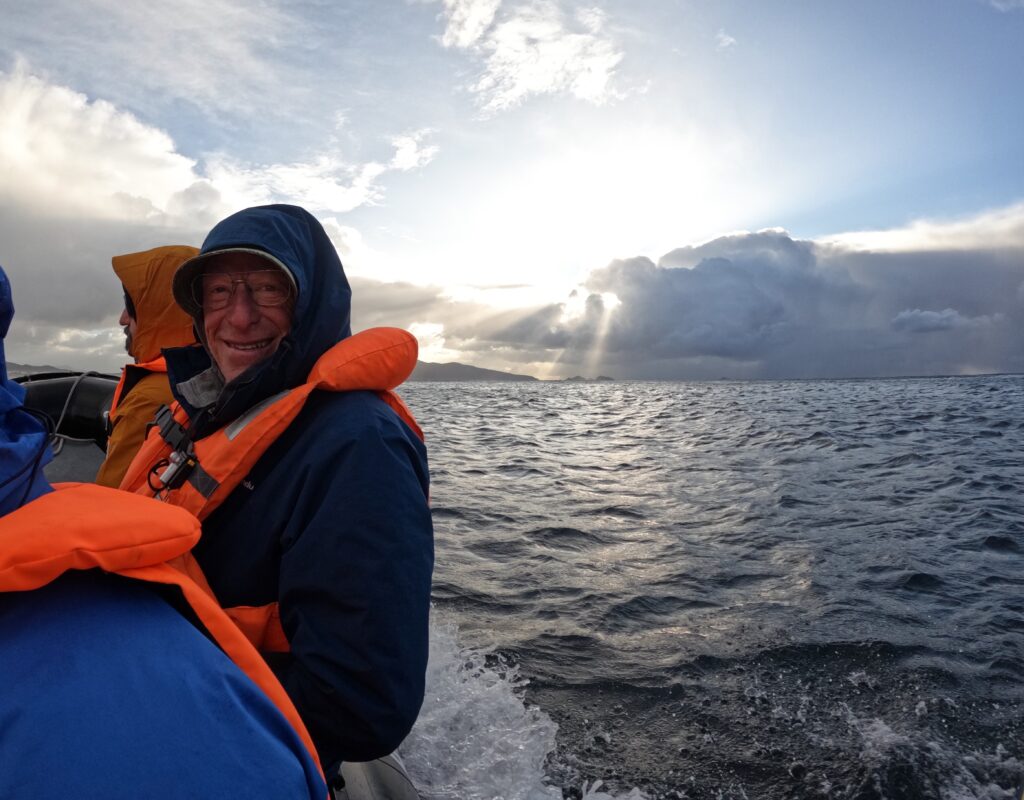
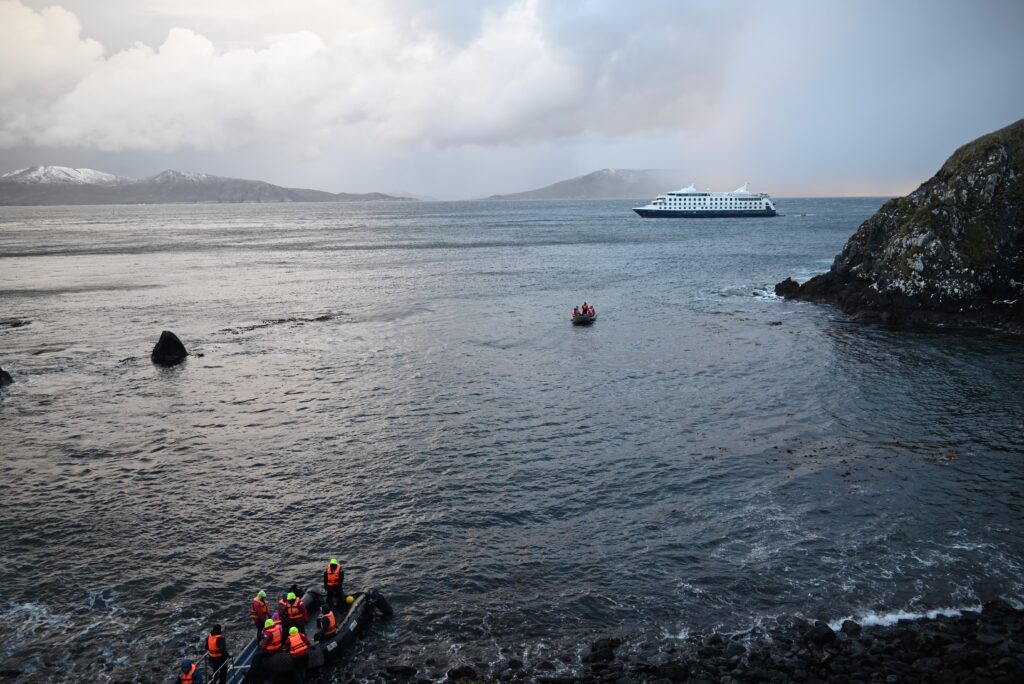
Our last stop was to Isla Magdalena hoping to see the Magellanic penguin. The entire island is the Monumento Natural Los Penguins. It’s the time of the year that they are migrating off the island. We were very happy to see them on shore as we arrived to the Island when we got there just as the sun was rising. Once on the island, we followed the official path and watched the penguins wandering around baying and disappearing into their burrows.
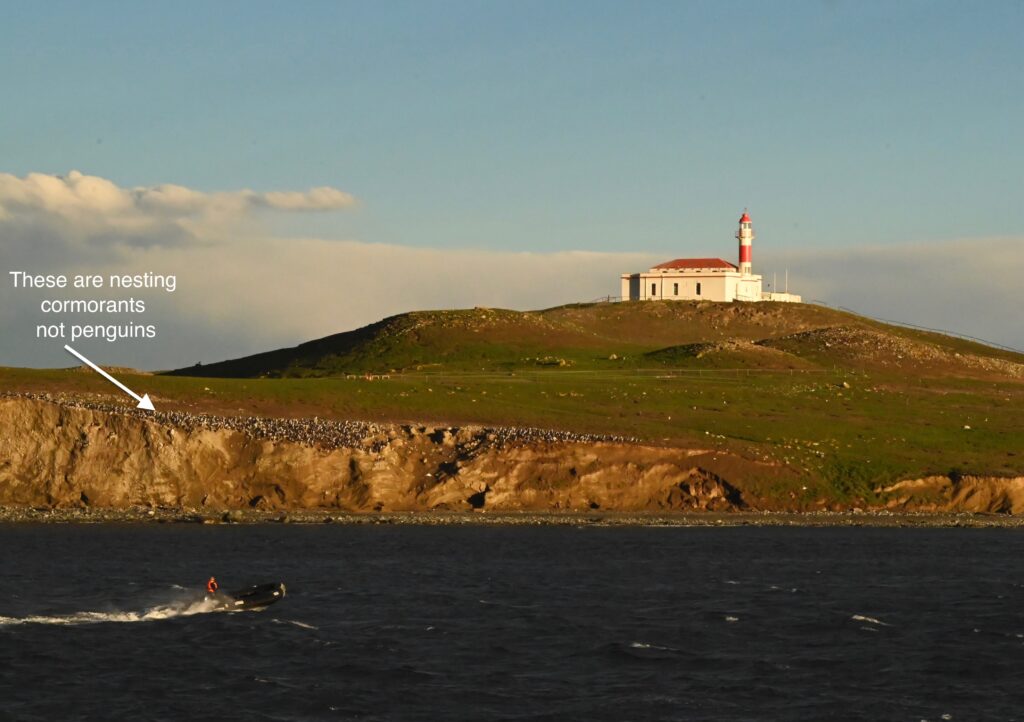
Many cormorants were nesting on the island cliffs. The cormorants are black and white just like the penguins so it’s hard to tell them apart from a distance. One clear indicator is if it’s a black and white animal flying it’s a cormorant. If the animal is not flying, it may be either.
We had breakfast after the excursion and then had time to pack before we disembarked about noon. It was really nice to have the meal and extra time.
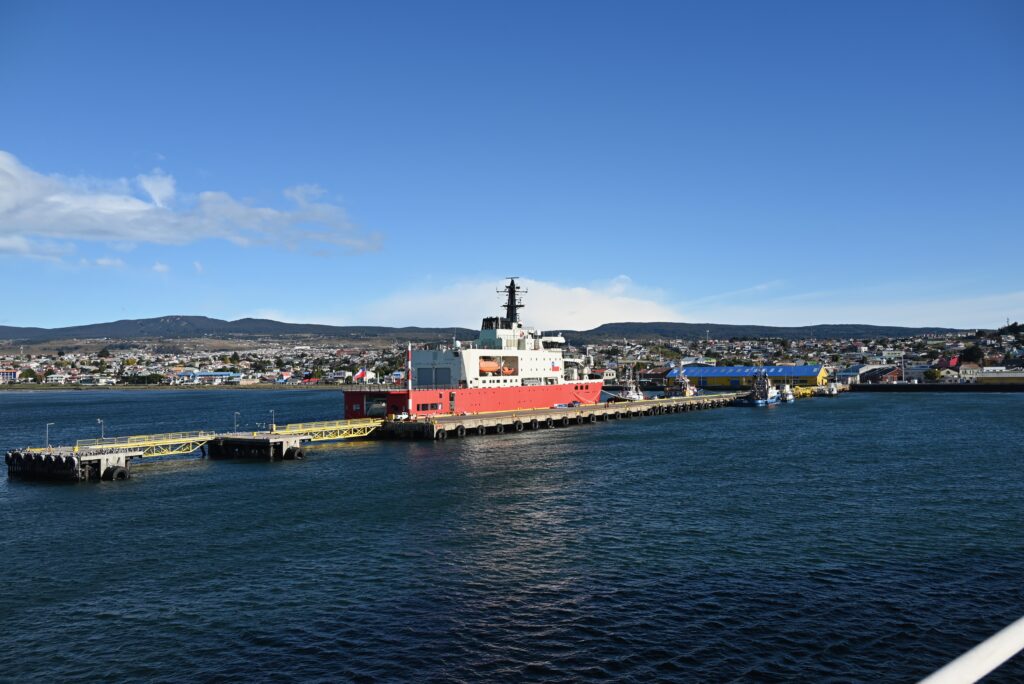
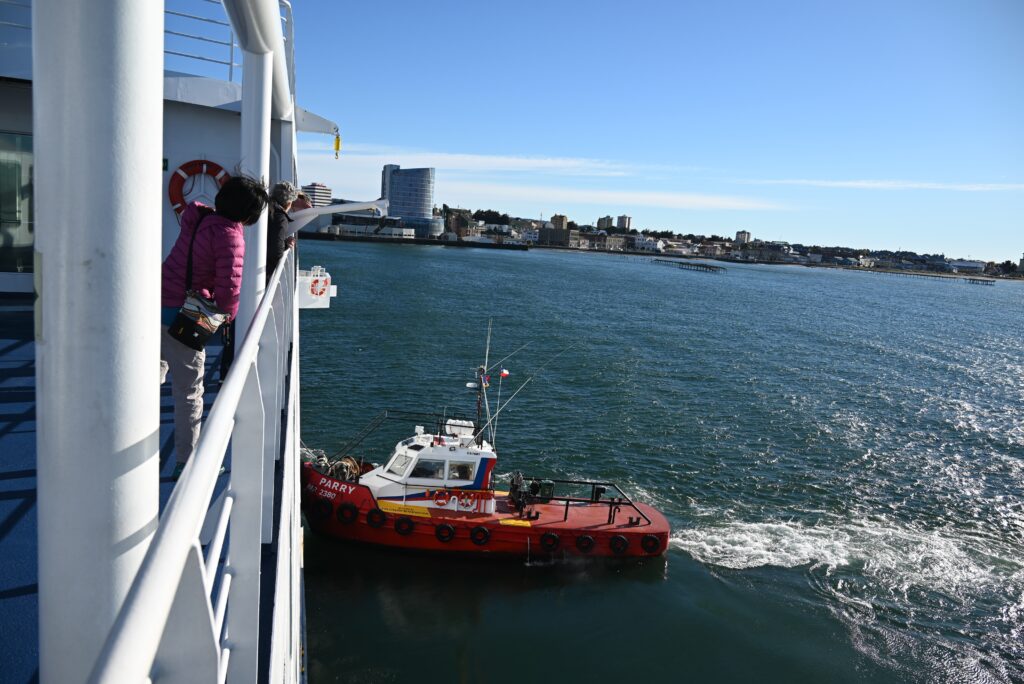
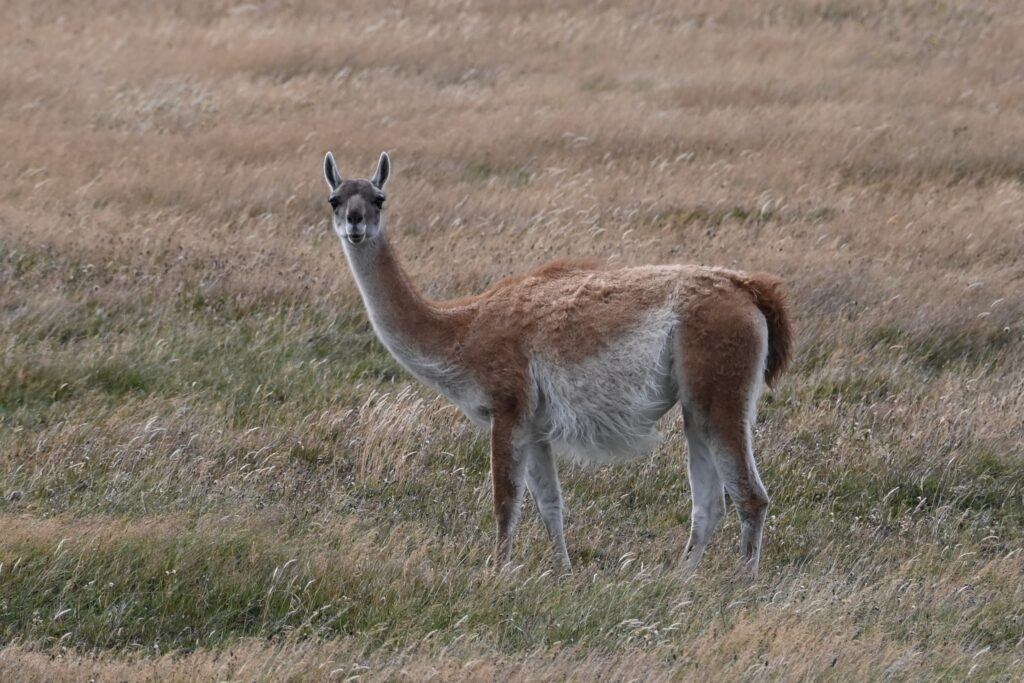
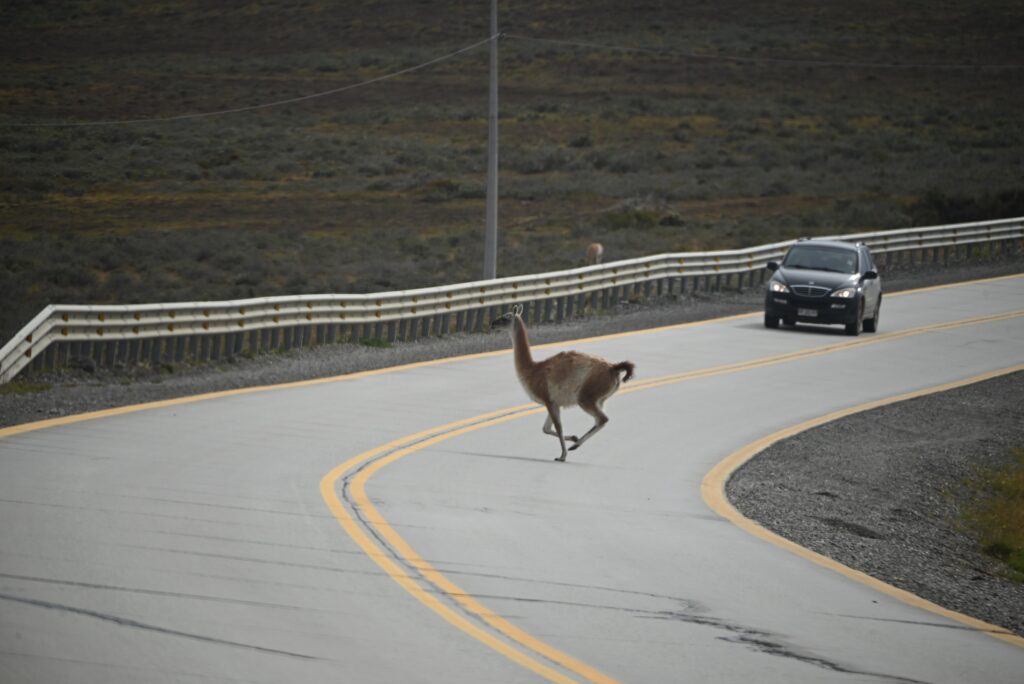
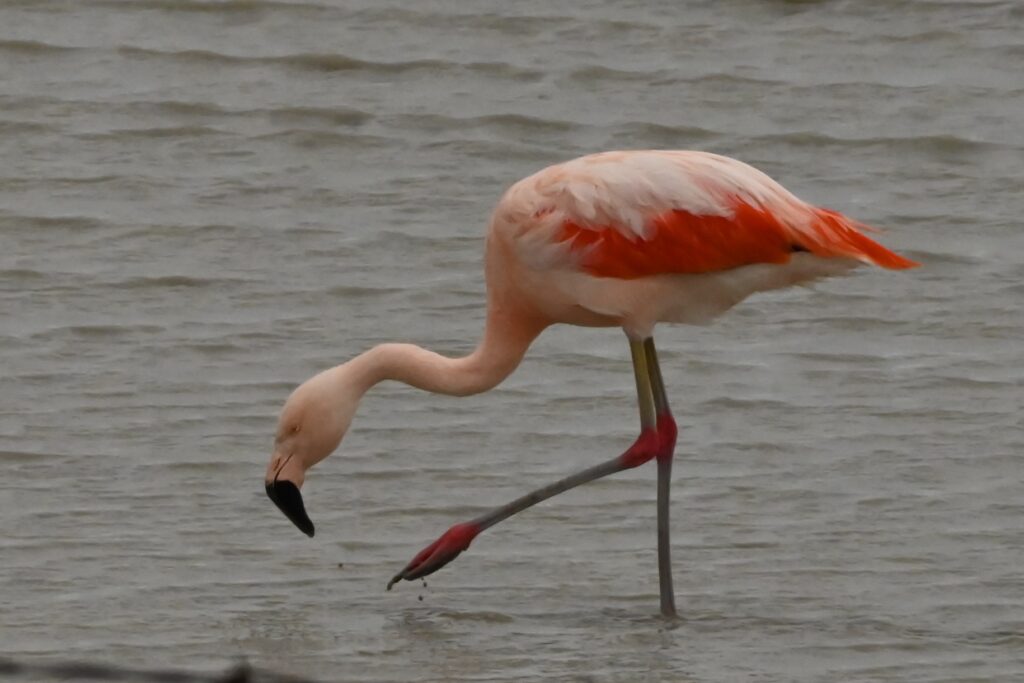
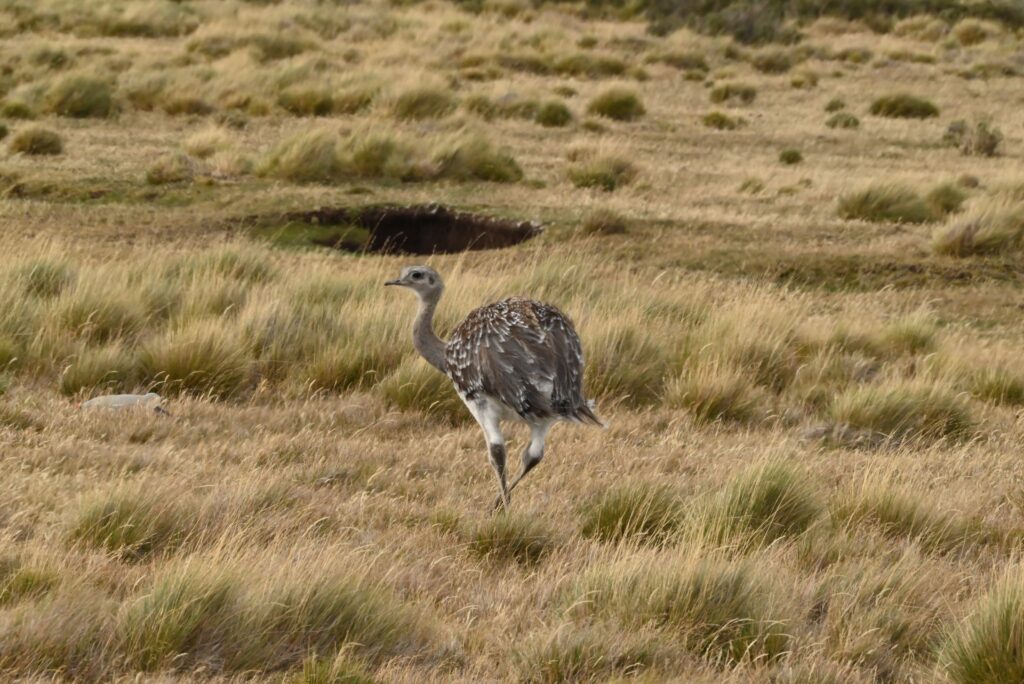
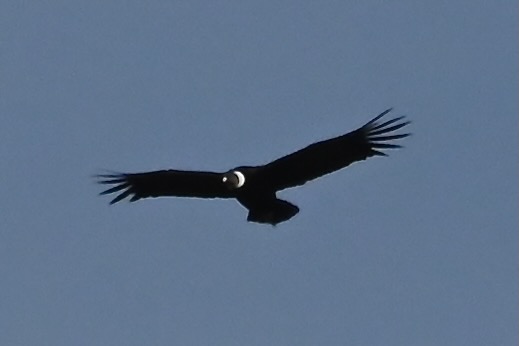
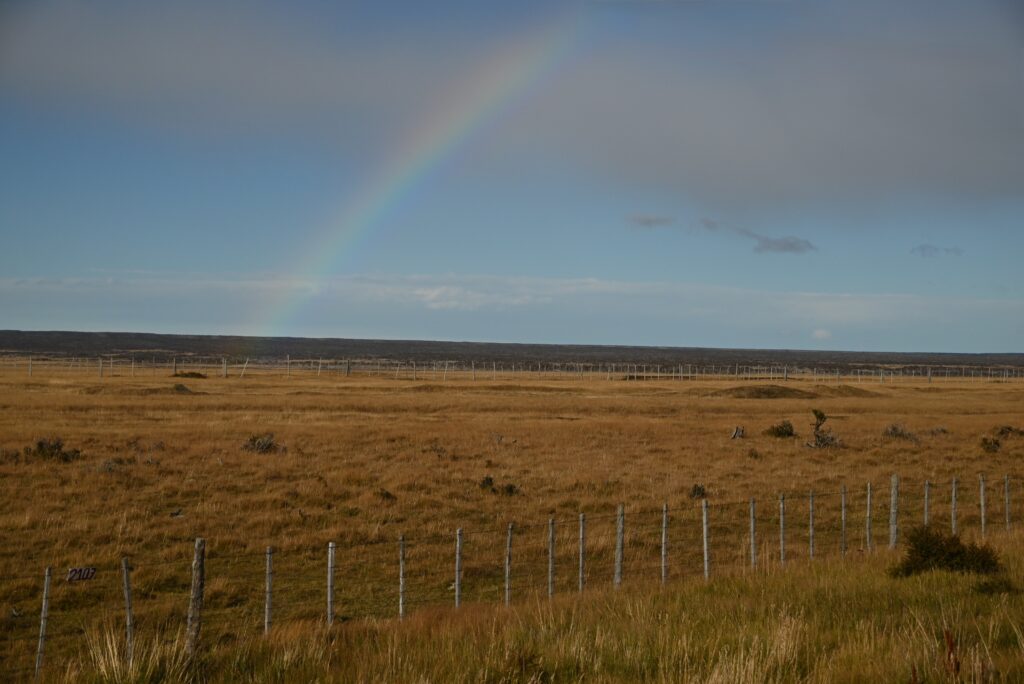
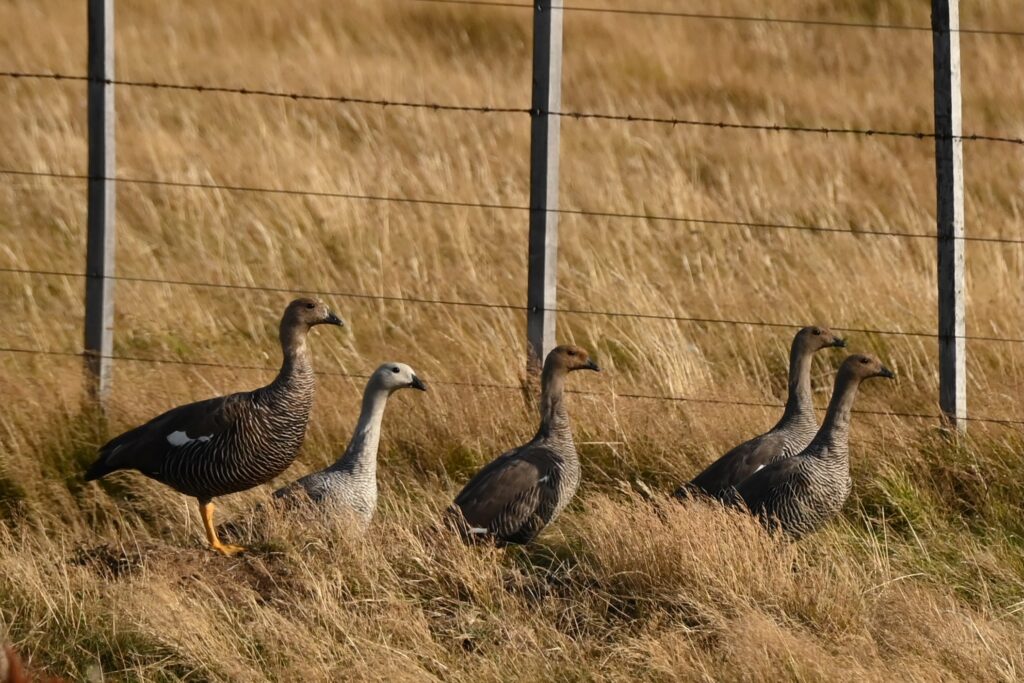
After disembarking, we took a taxi to the airport where we rented a car to drive up to Puerto Natales where we will spend two nights and visit Torres del Paine National Park. We stopped many times along the way to photograph animals(Guanaco, Andean condor, Chilean Flamingos, Rhea, Magellan goose, and more) in the fields along the road. We enjoyed the many rainbows too. It was about 250 kilometers and we took about 4 hours.
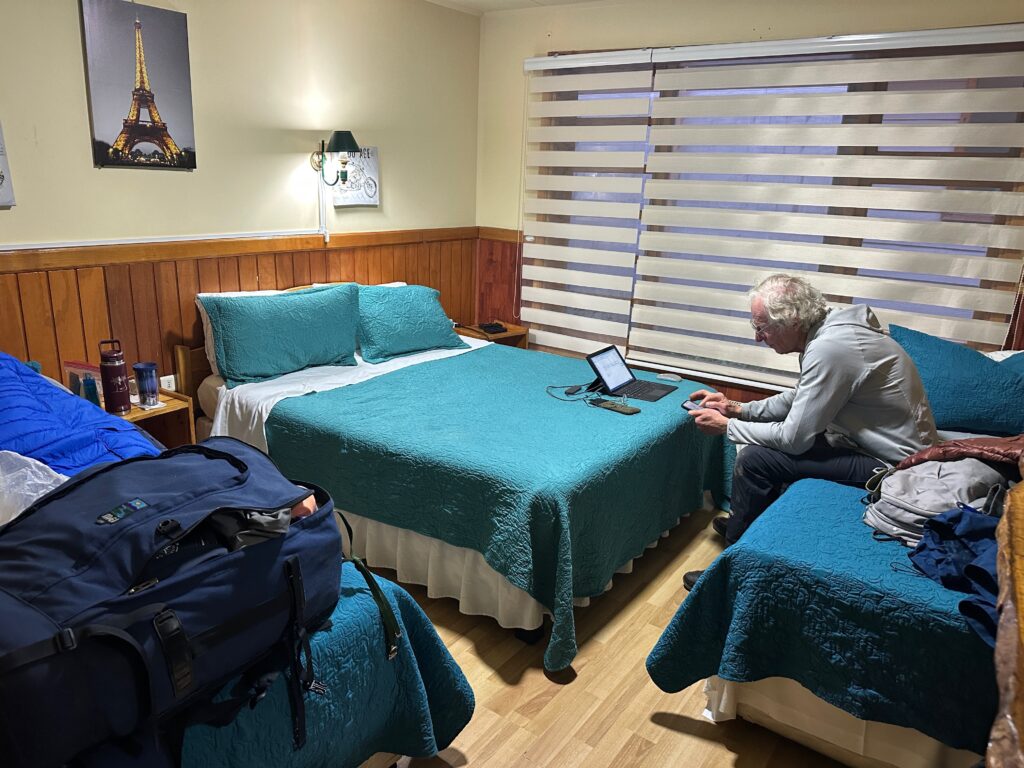
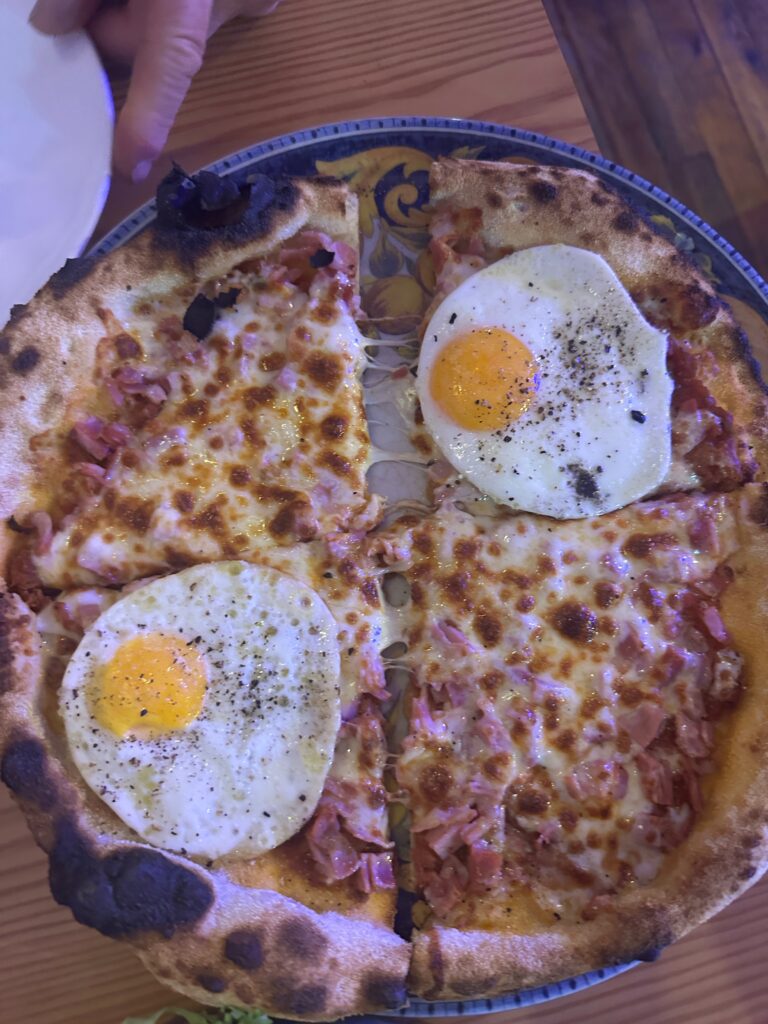
We had a nice room in Puerto Natales and went out for pizza for dinner. I picked the bacon and fried egg pizza as it seemed to be the closest to pepperoni.
sunrise over zodiac on way to Isla MagdalenaMagellanic penguinMagellanic penguin going into it’s burrowlighthouse on Isla Magdalena with nesting cormorantsarriving at Ushuaia, ArgentinaThe tug boats push the ship sideways so it’s up against the pierGuanacoYep, the Guanaco just run across the roadChilean FlamingoRheaAndean Condorone of many rainbows we saw todayMagellan GooseOur room in Puerto NatalesYummy bacon and fried egg pizza
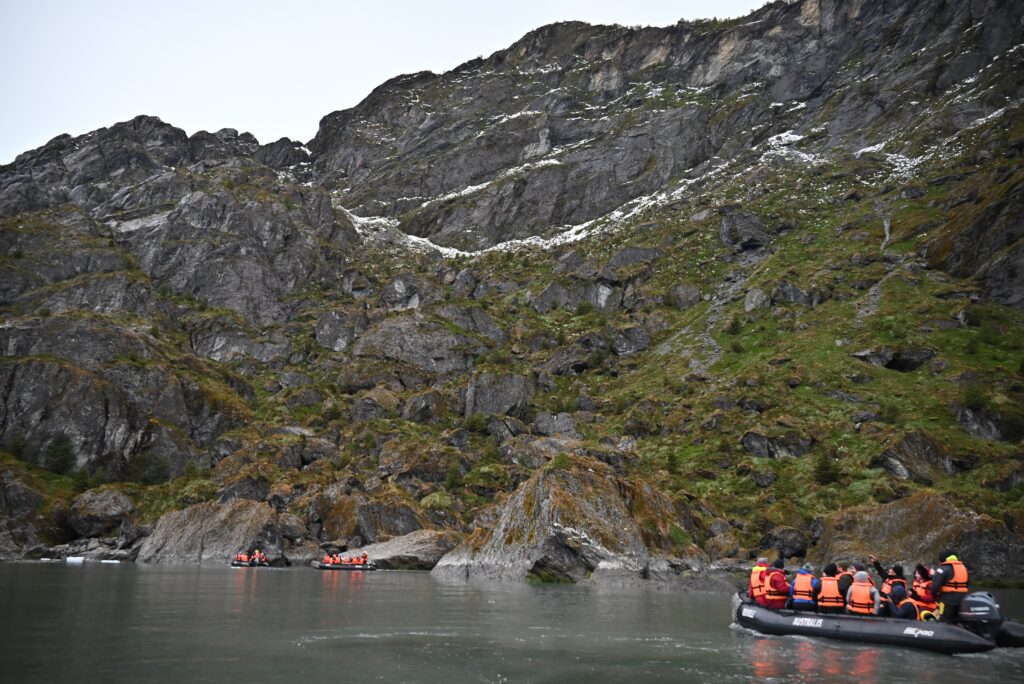
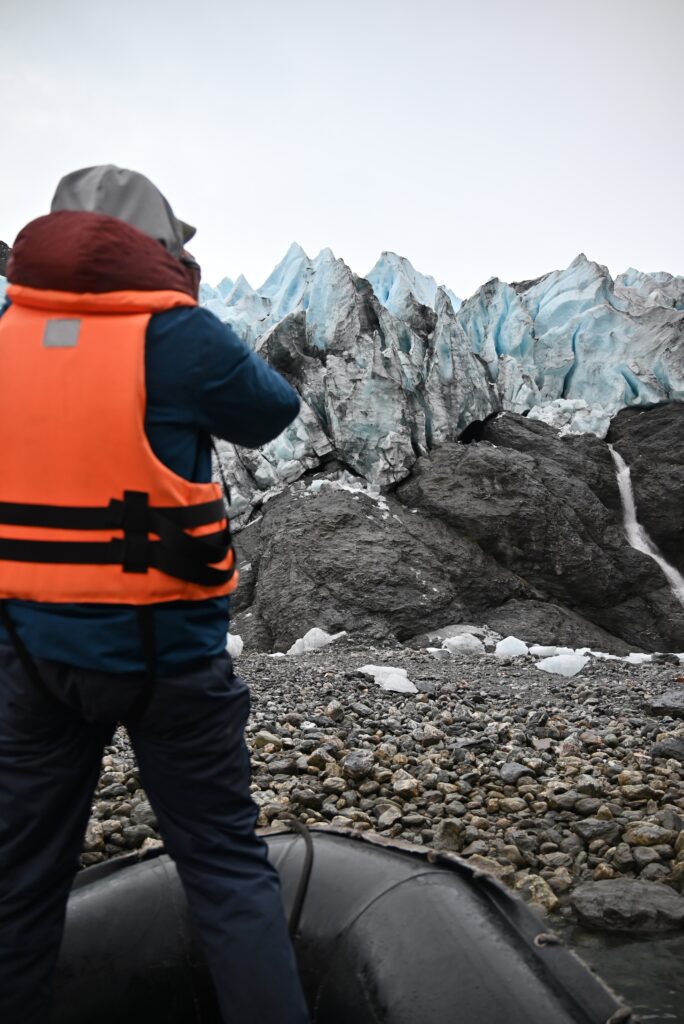
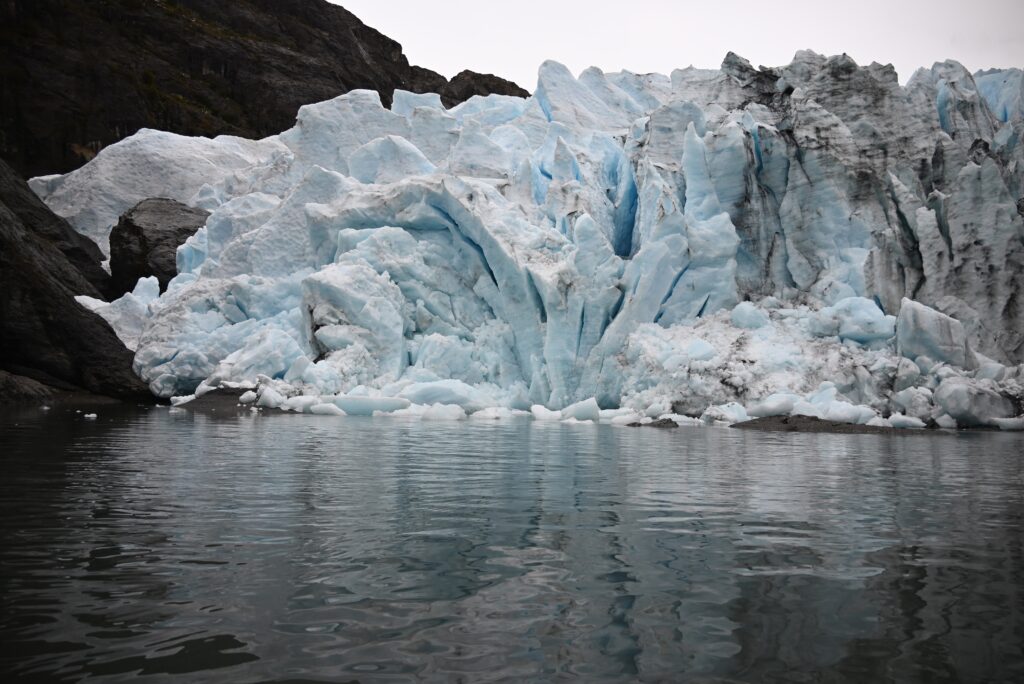
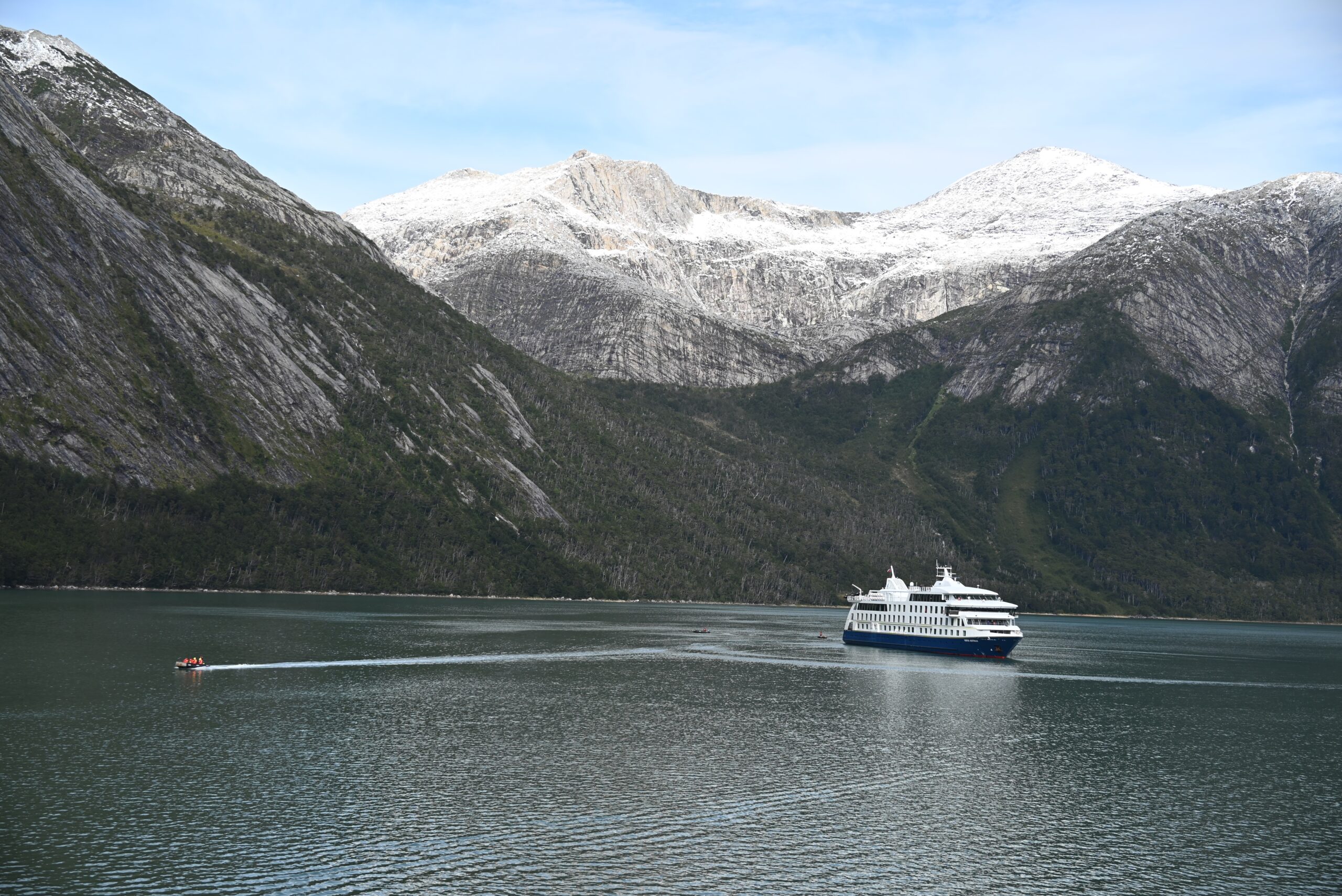
Today we rode in the zodiac to see the Condor glacier. It was a nice ride but it gets chilly on the zodiac even when it’s sunny.
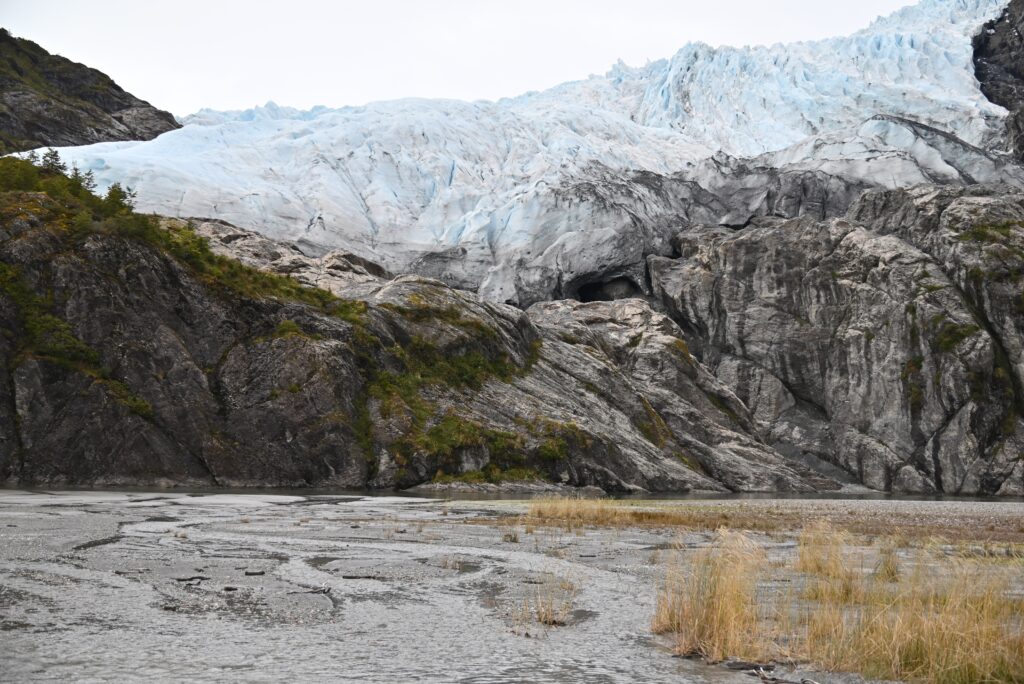
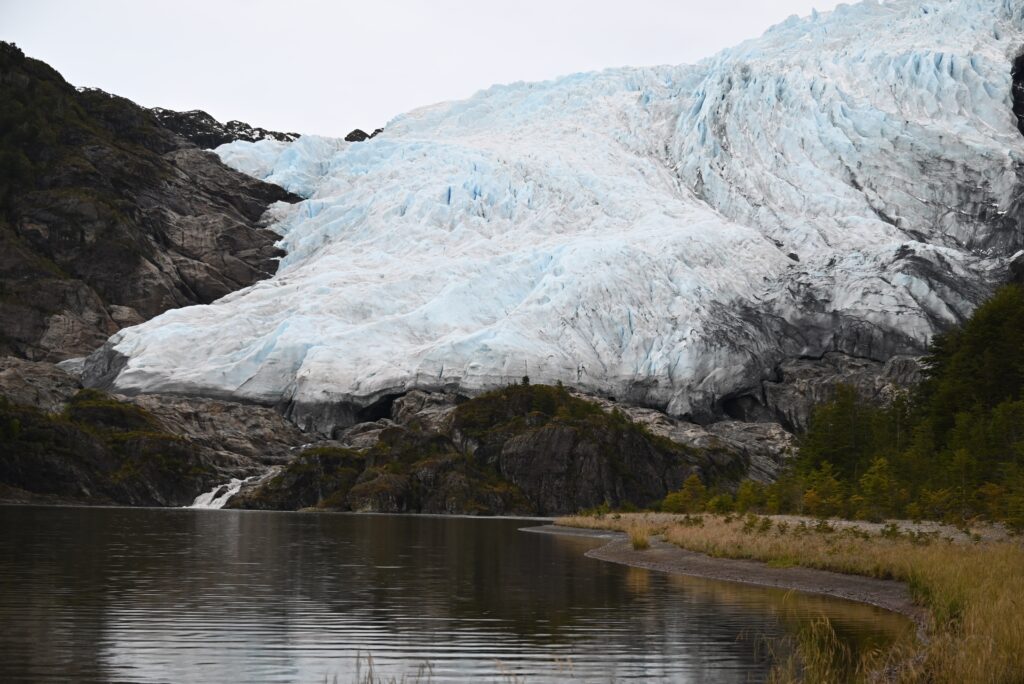
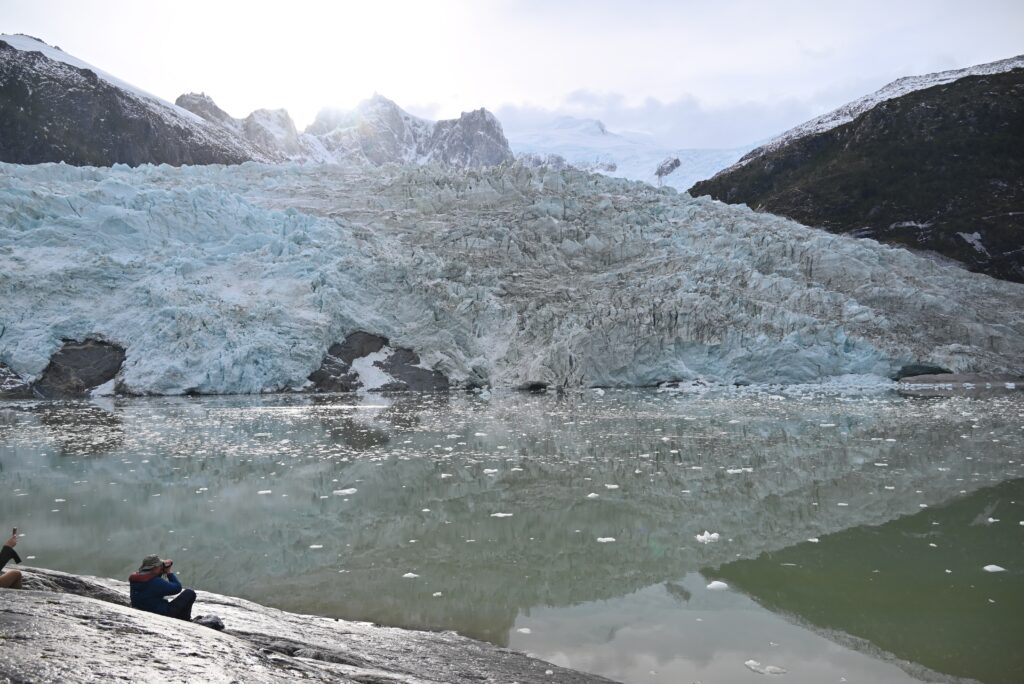
We walked around on shore to see the Águila glacier. When we first got on shore we walked with a group but after about 30 minutes, everyone got to walk around by ourselves which was pretty fun. The forest near the glacier was full of plant life and there were birds on the shore to enjoy.
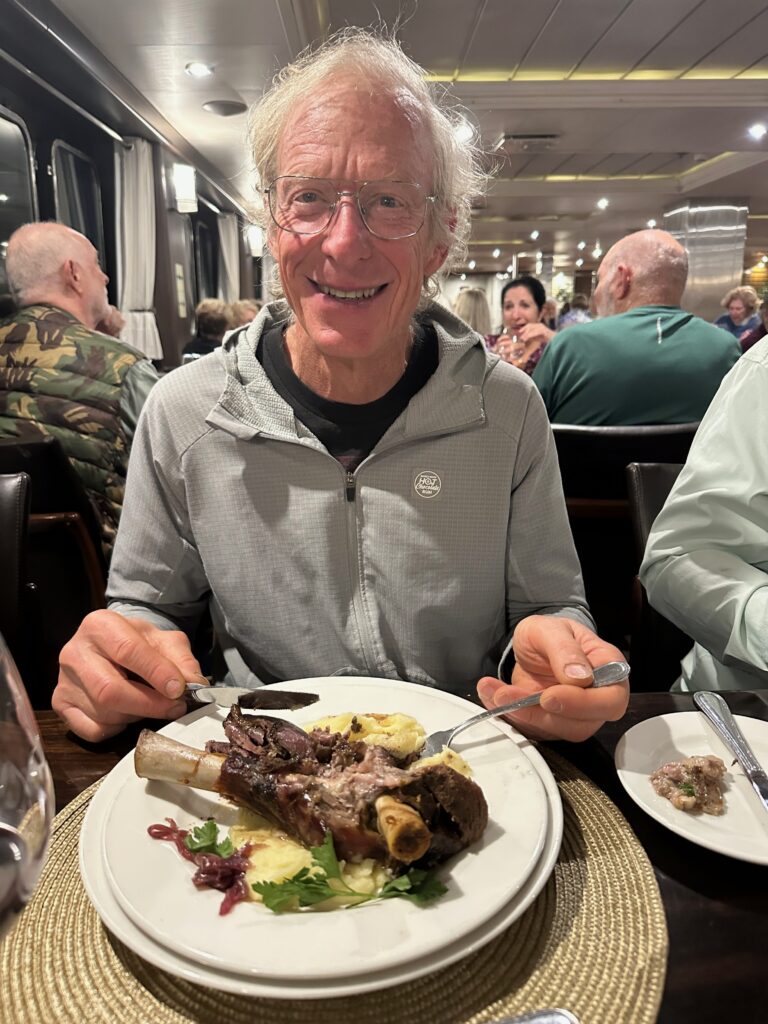
We have been enjoying the delicious food on board. For dinner we have a starter, a soup, a main dish and a dessert. Frequently the starter and/or soup includes some sort of fish/shellfish which I usually give to Tibor. Tibor especially likes the lamb and sea food.
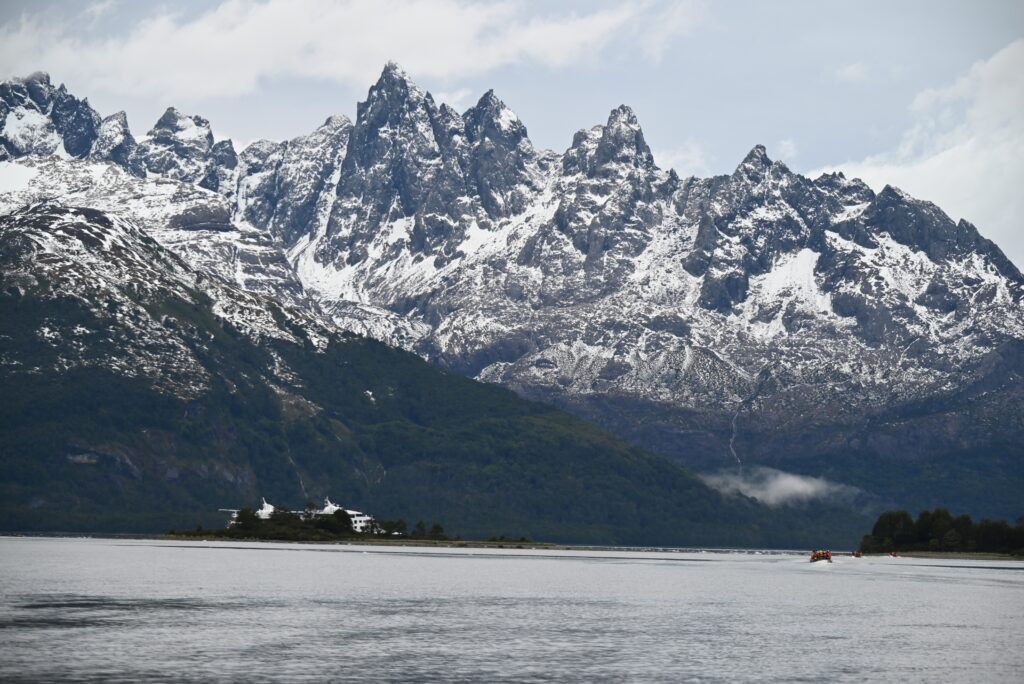
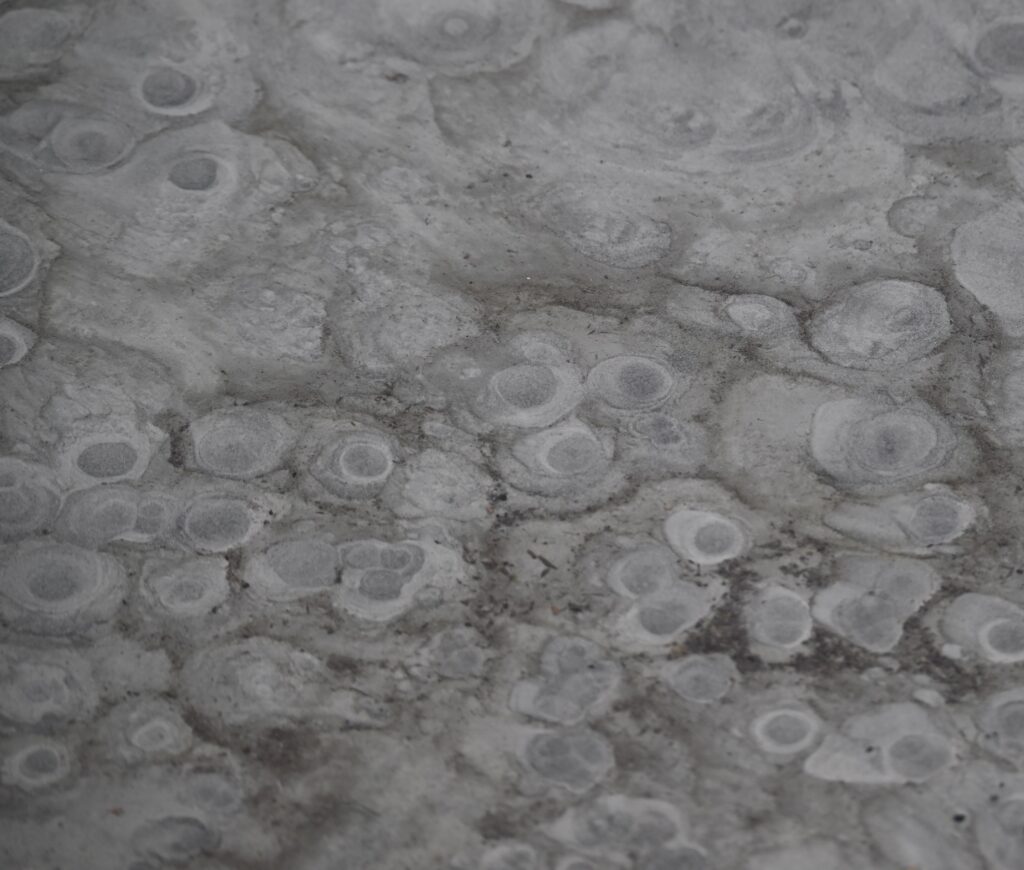
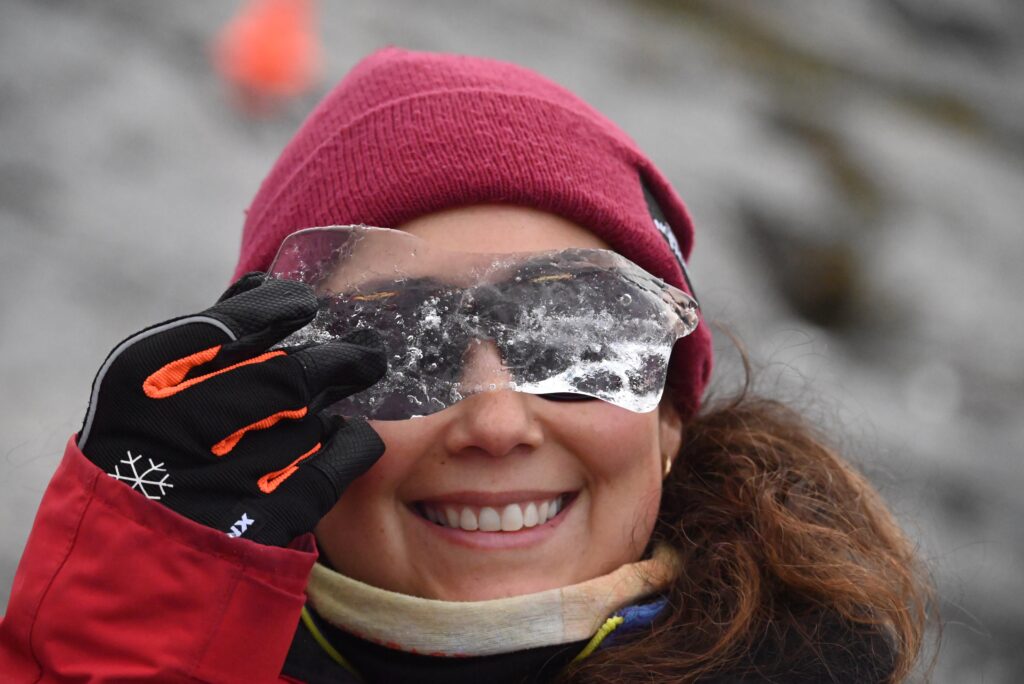
on the zodiacs on the way to Condor Glacierzodiacing up to Condor GlacierIt was so calm, we got to stand up on the front of the zodiac to take pictures of Condor GlacierBeautiful blue ice on Condor GlacierMore snow dusted mountainsapproaching the shore at Águila GlacierÁguila Glacier and gray glacier sedimentclose up of gray glacier sedimentÁguila GlacierTibor enjoying his lamb shank at dinner
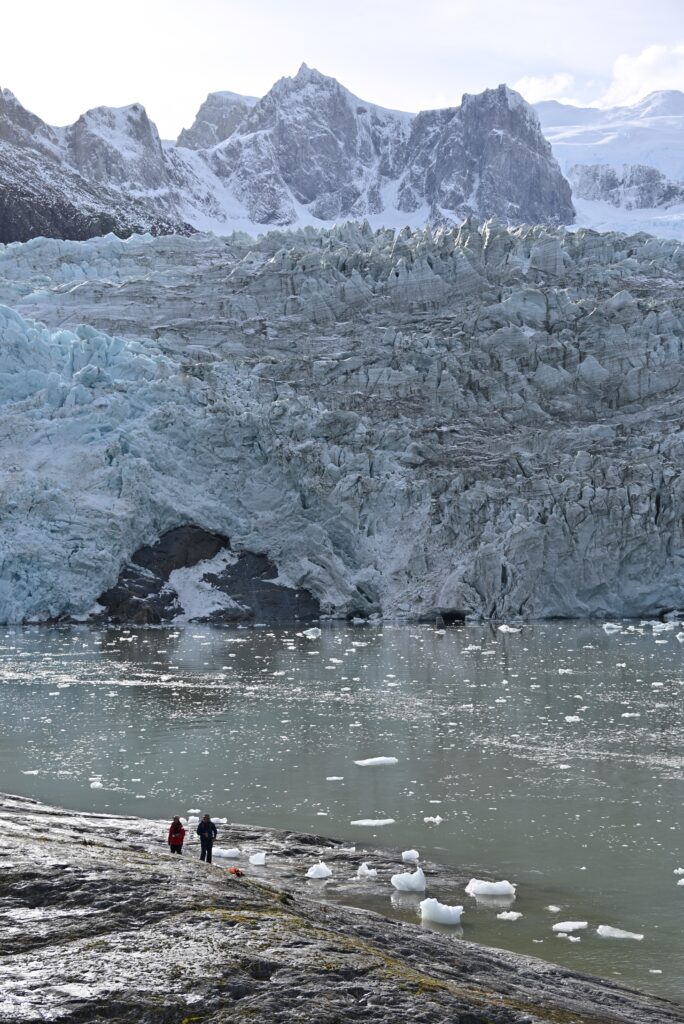
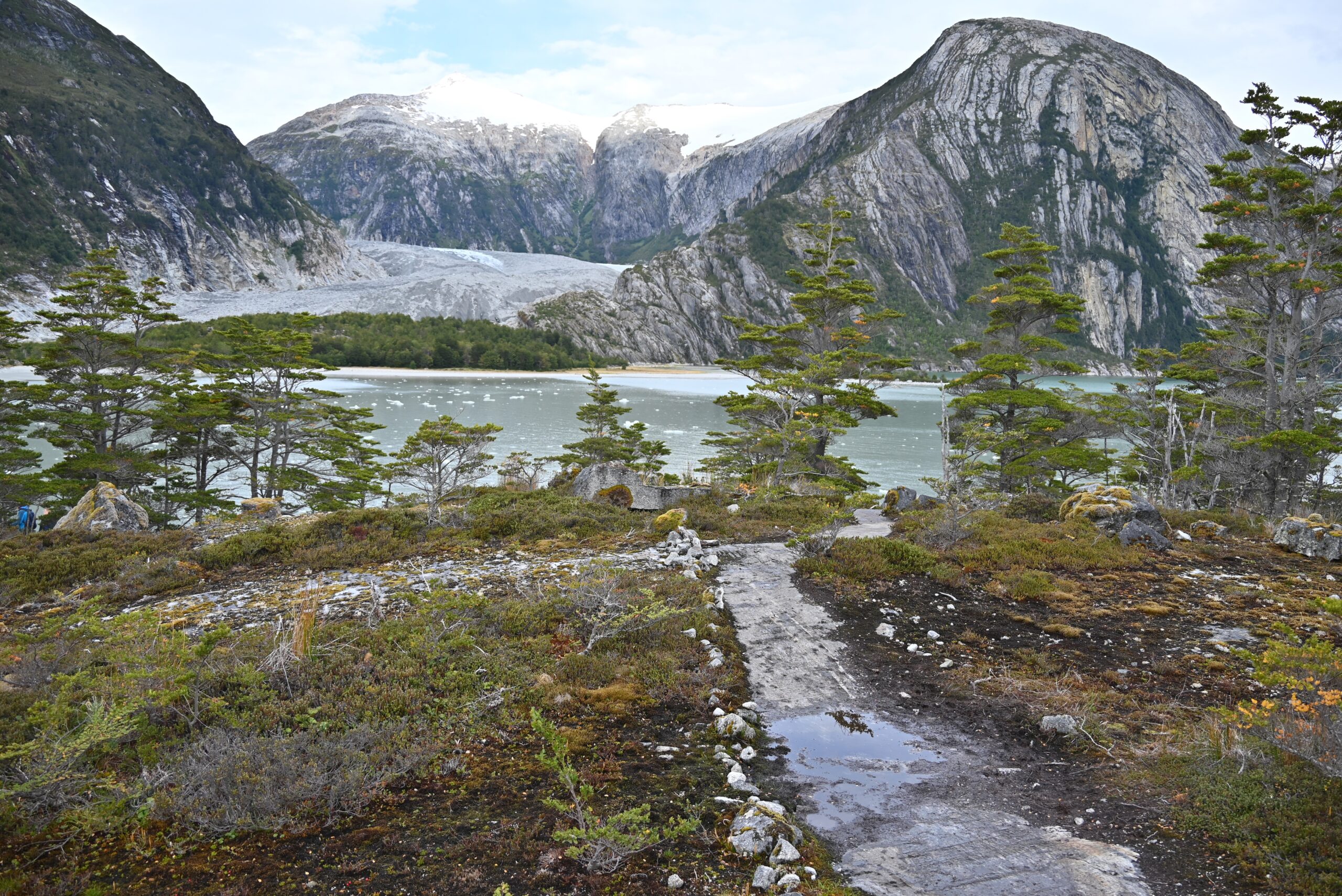
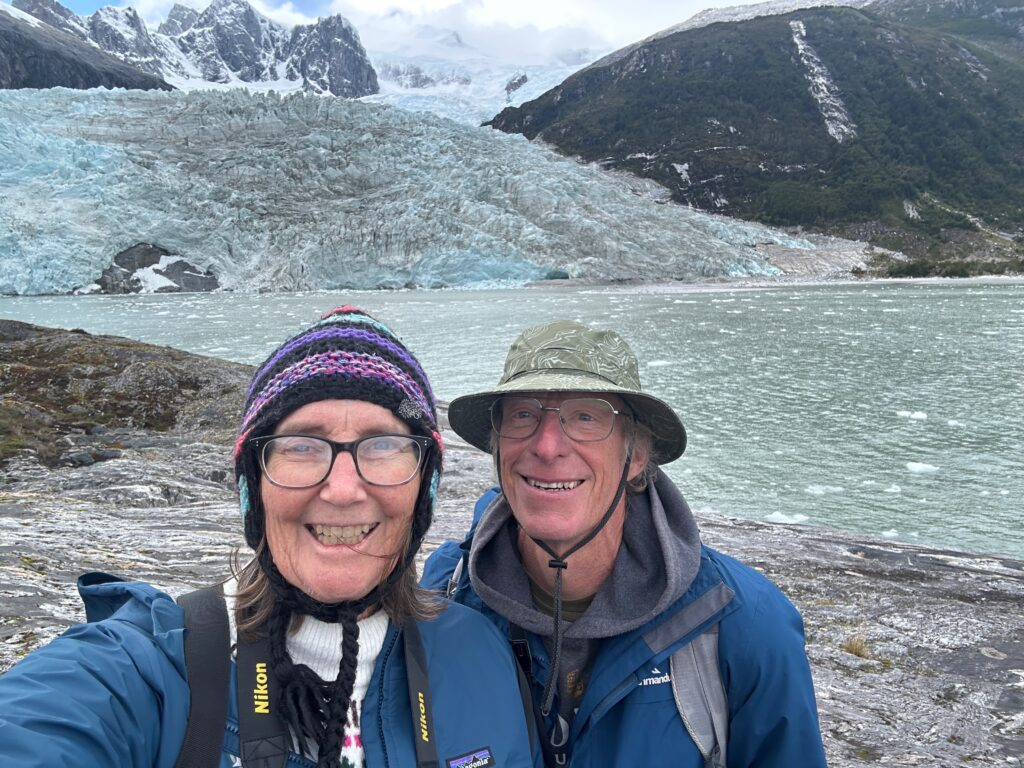
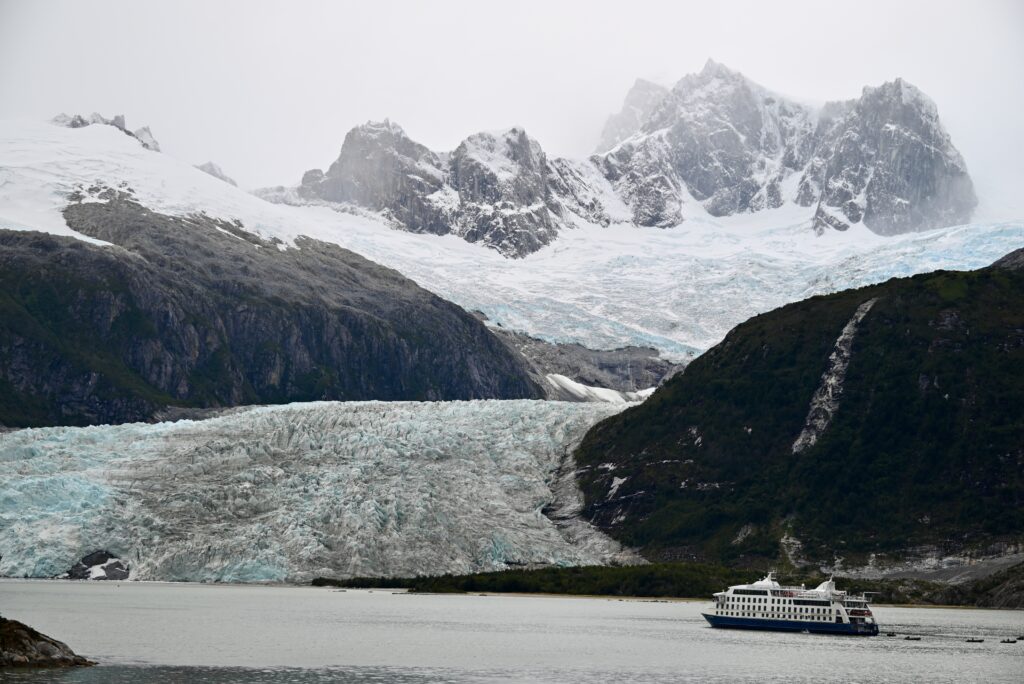
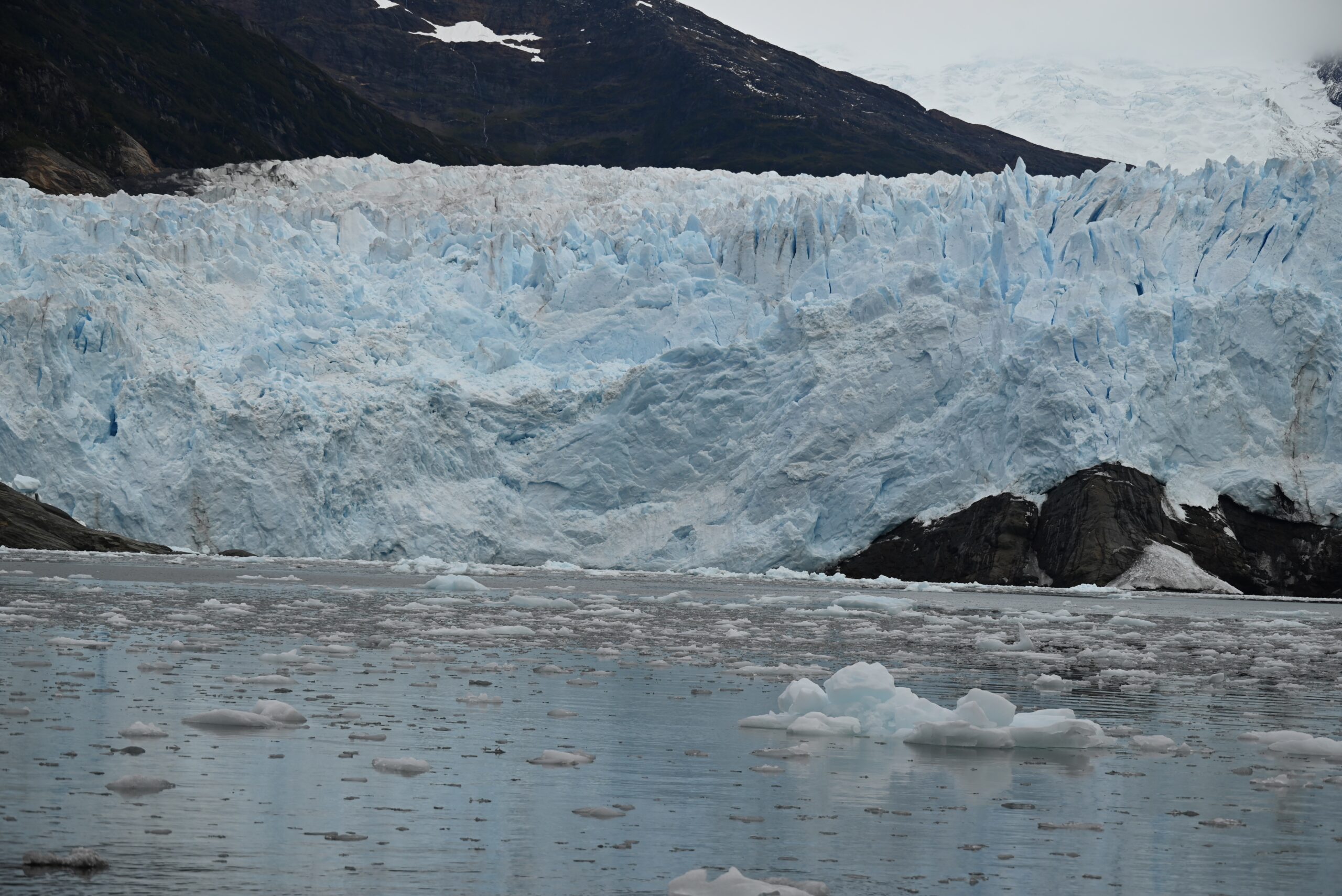
Today was a day of glaciers. Our first glacier was Pia glacier (we visited it on the first leg too). This time we both opted for the coast excursion so we could spend the entire time watching the glacier hoping to see calving. We did see some small calving and the weather was great. I sat on my stuff sack and was very comfortable. The glacier made lots of noise and clearly bits and pieces were moving around but the only ones we saw moving were pretty small.
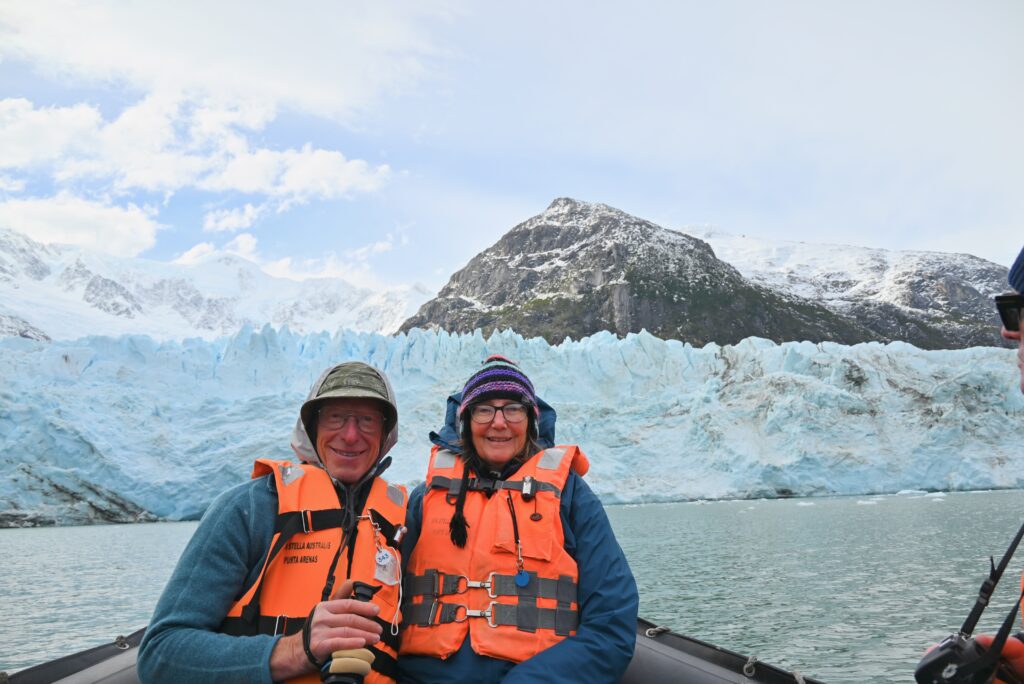
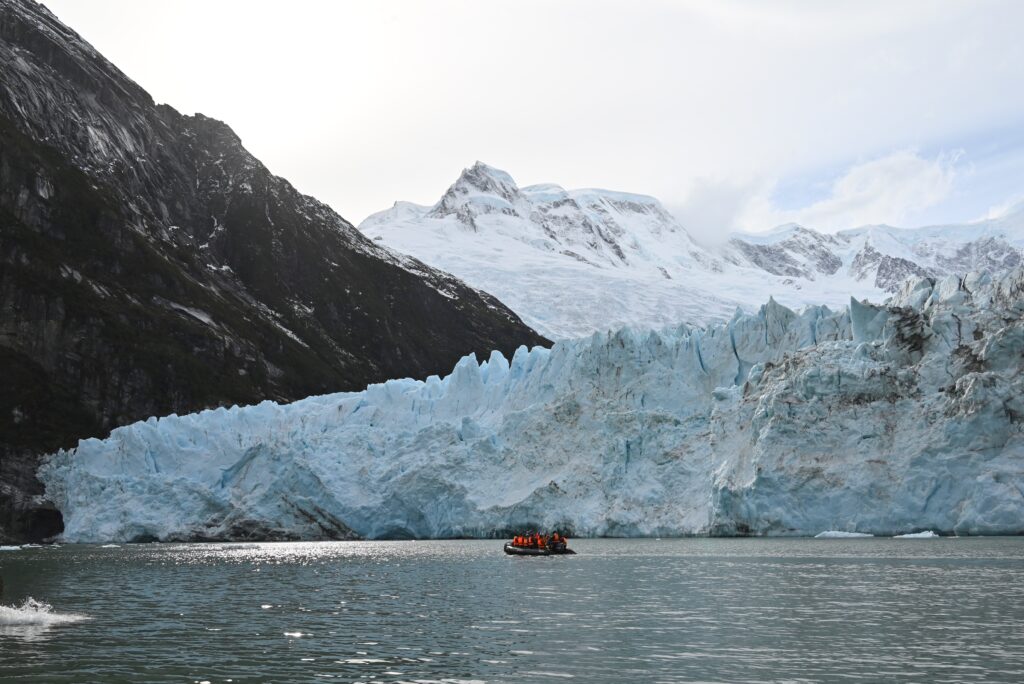
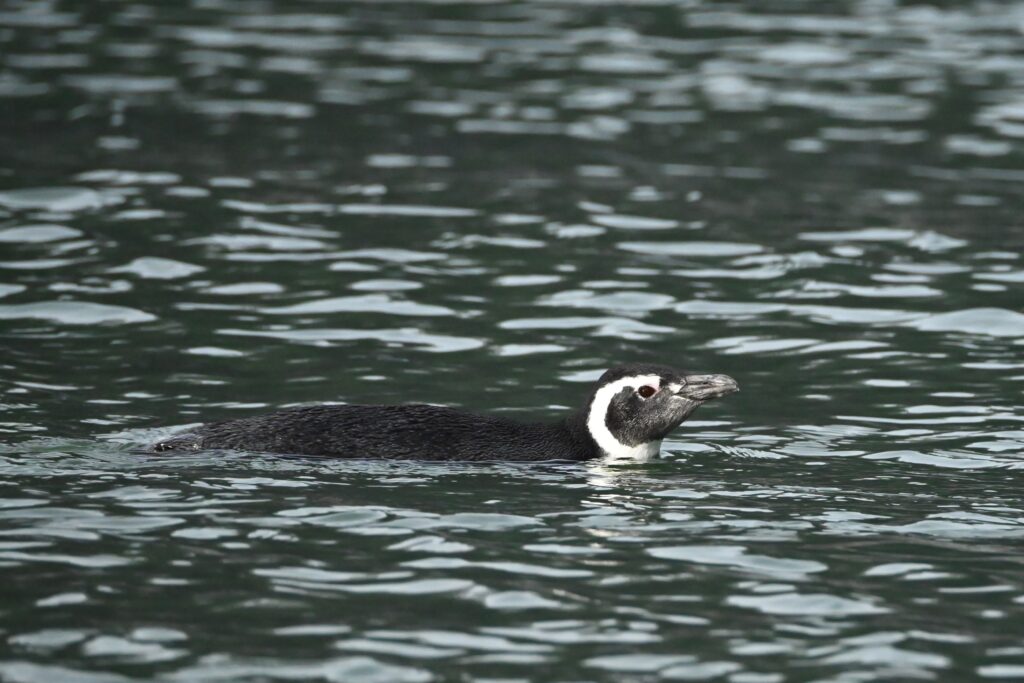
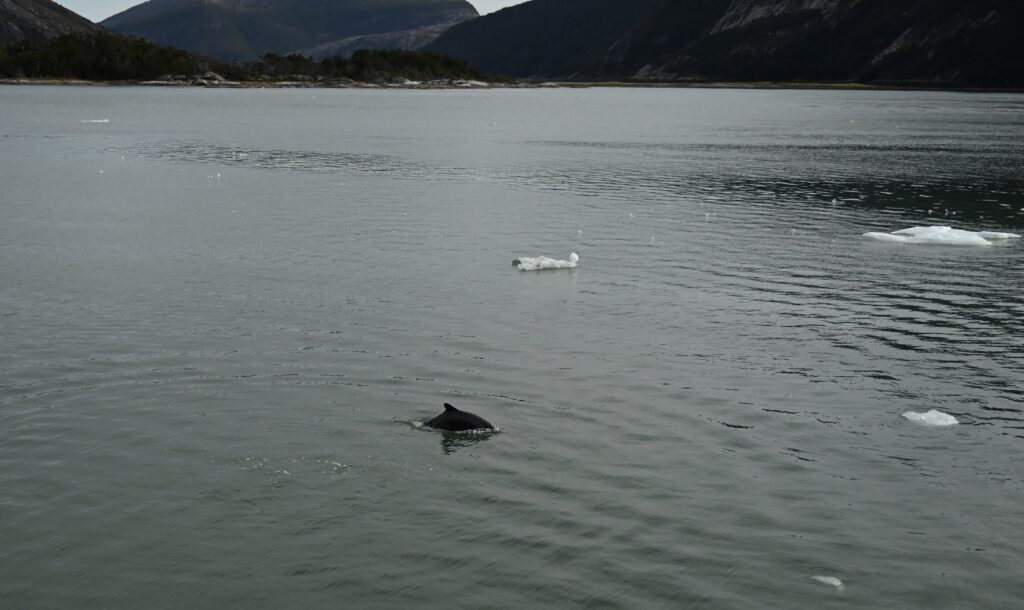
For our second glacier, no one went ashore and we all went on zodiacs to cruise up to and view the Porter glacier. On the way back we were so excited to see two Magellanic penguins swimming in the water. A dolphin was swimming and playing around the ship and zodiacs too.
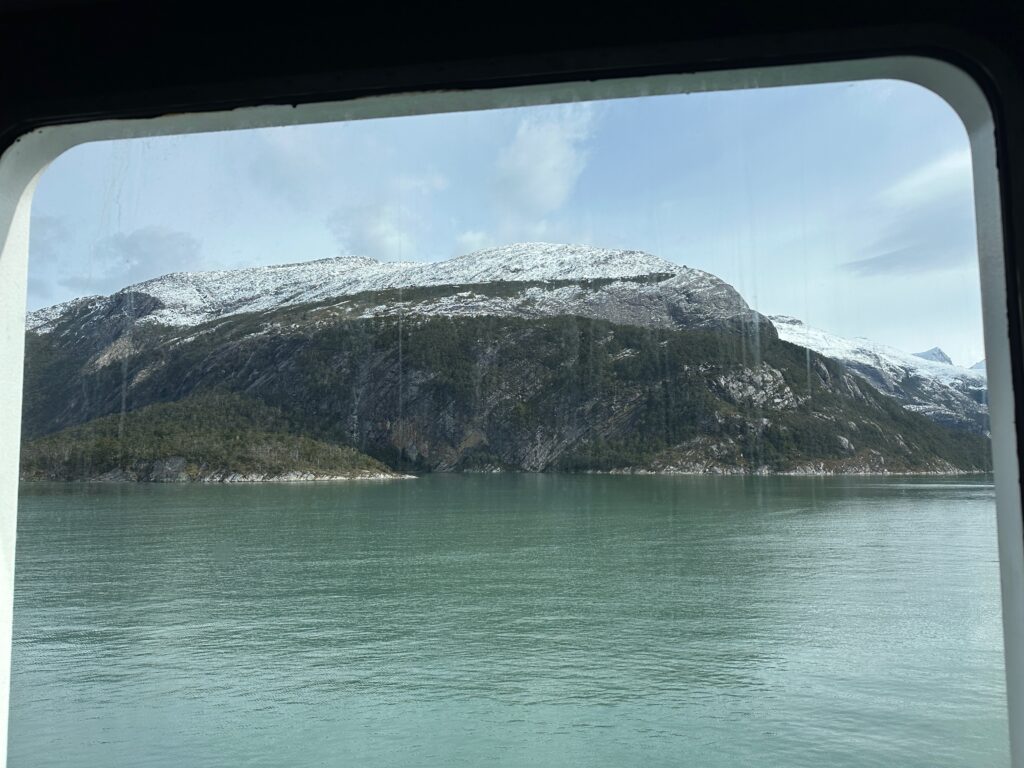
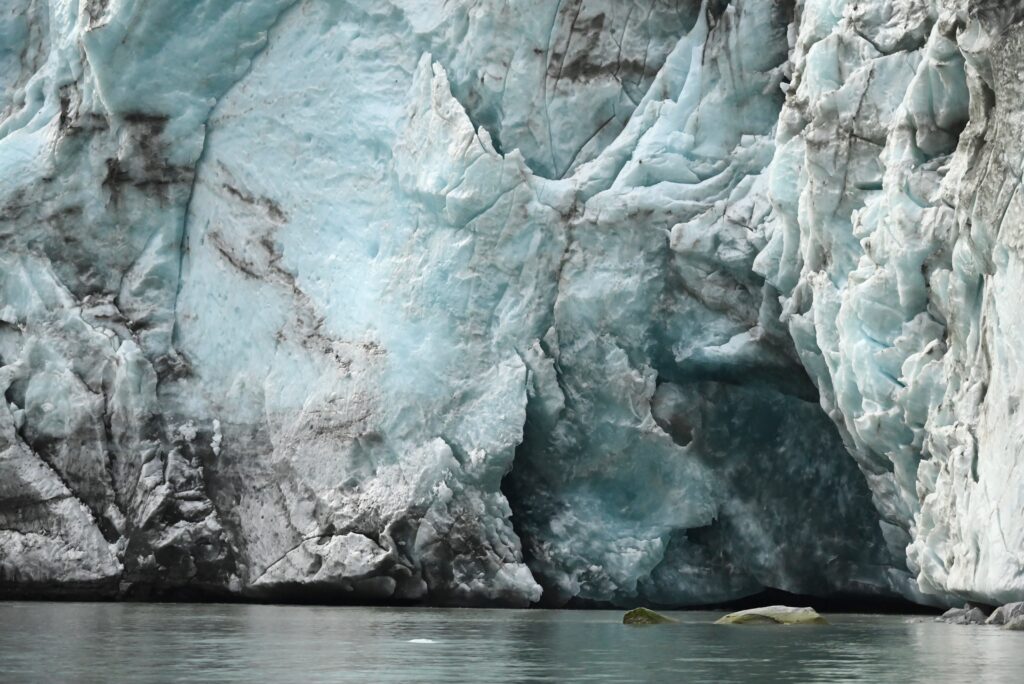
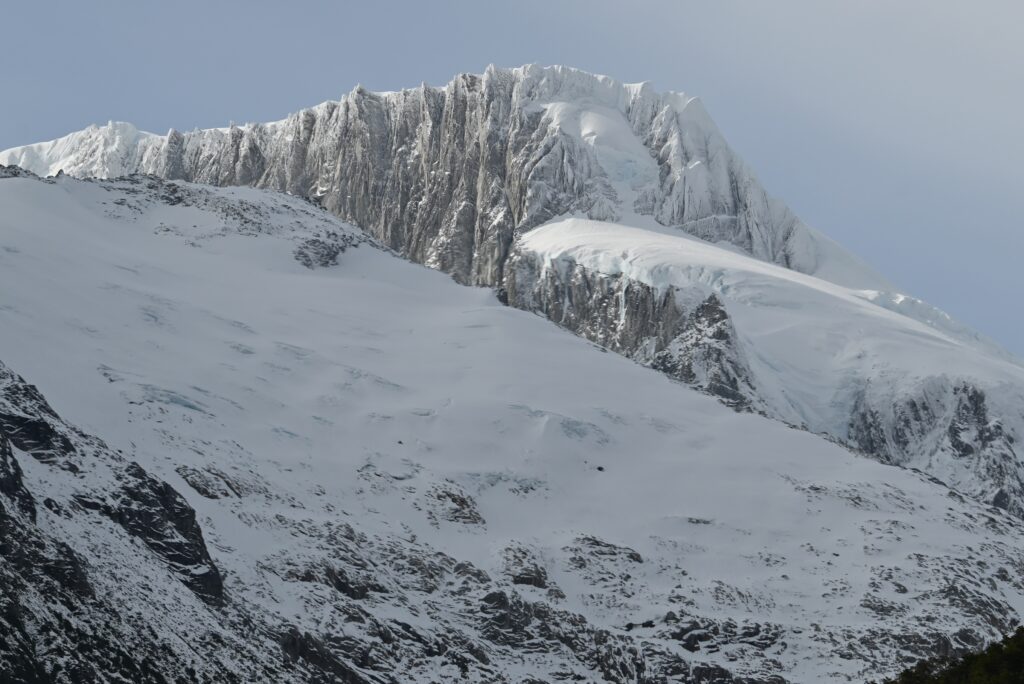
our guide showing us how clear the glacier ice can bePia Glacier. Tibor is sitting on the bottom left side waiting for something to fallVery small glacier calvingOur path on the rocks- the guides said this excursion gets the most injuries because the slippery rocksThe guide is trying to get Tibor to return up to the pathView from our cabin window in the afternoon between visiting Pia Glacier and visiting Porter GlacierTibor and Diane on the zodiac in front of Porter GlacierPorter glacierclose up of the glacier iceloved the little caps of snow on the mountain peaksMagellanic penguin on the way back to the shipdolphin playing near the ship
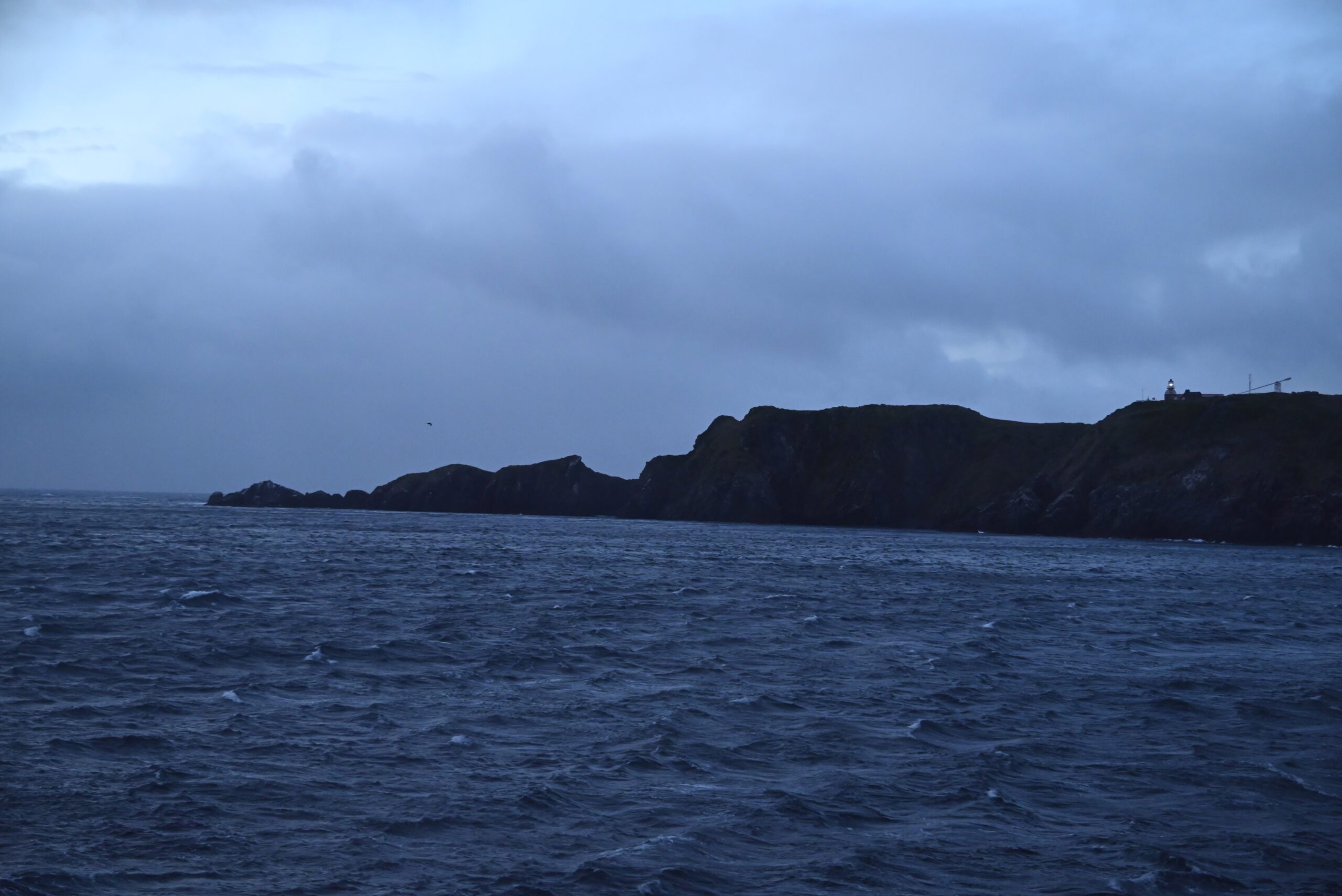
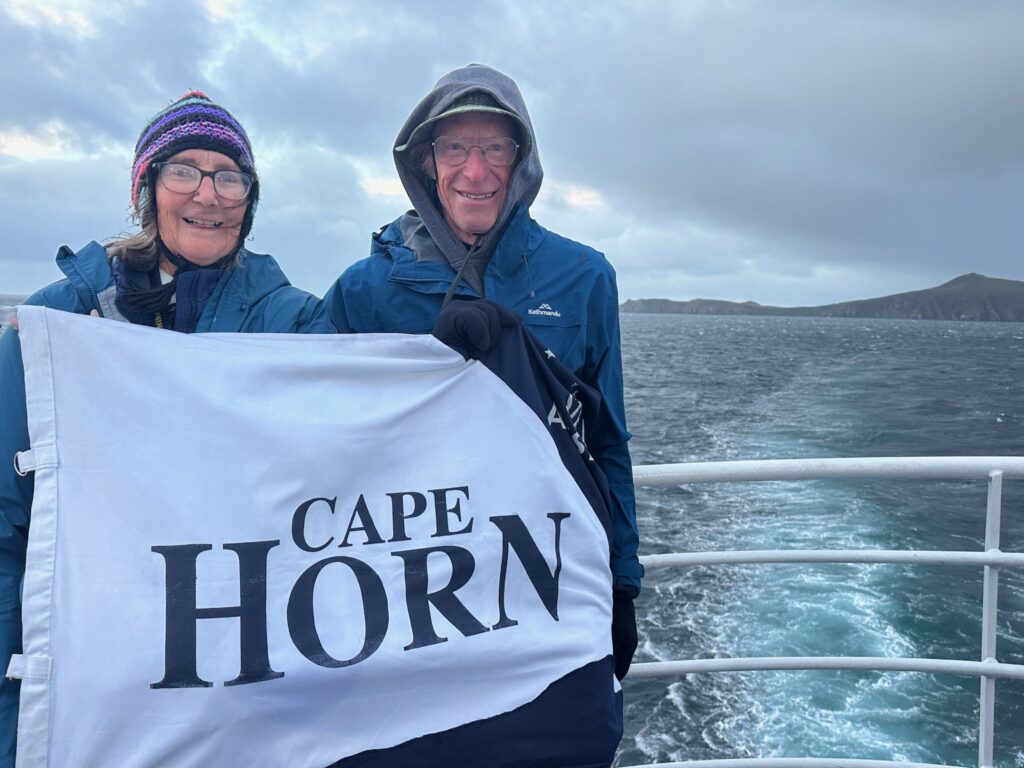
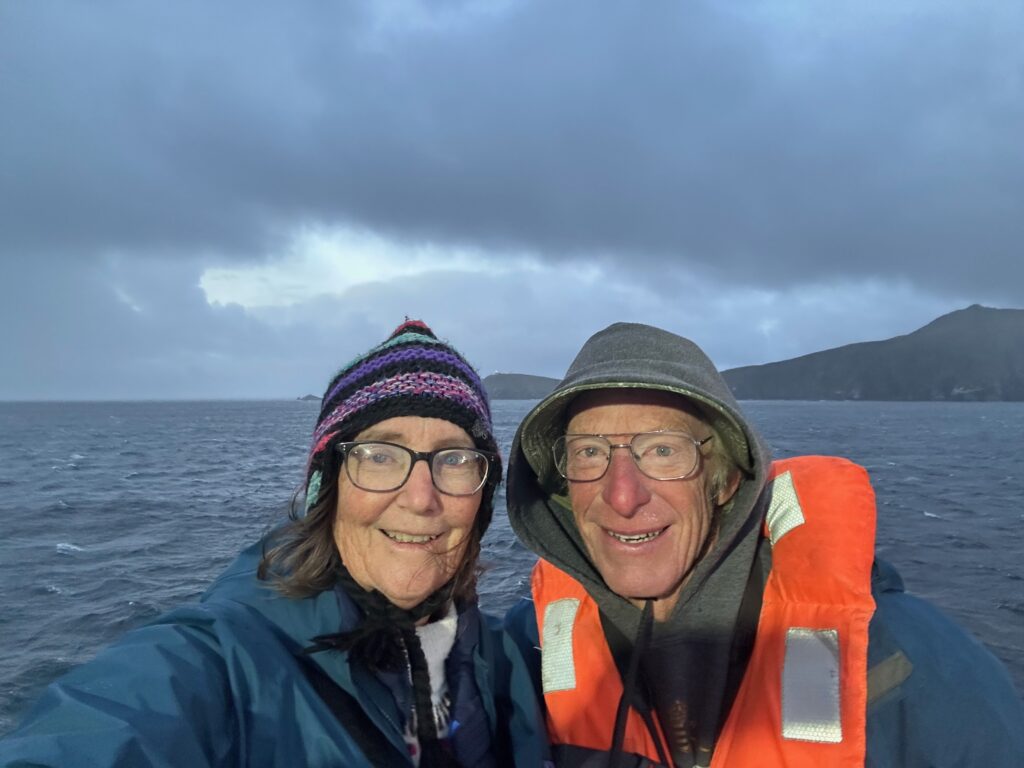
We went to Cape Horn today and were fortunate that the weather, wind and seas were ok for a landing. They do not decide if we can go on an excursion until we are at the site to see the actual sea/ocean/weather conditions. Then they put a zodiac in the water and the crew goes out as well to test the conditions on the ground. The conditions were just barely ok for the excursion- wind was up to 60 knots- and the crew said “be prepared to return quickly, but we can go”.
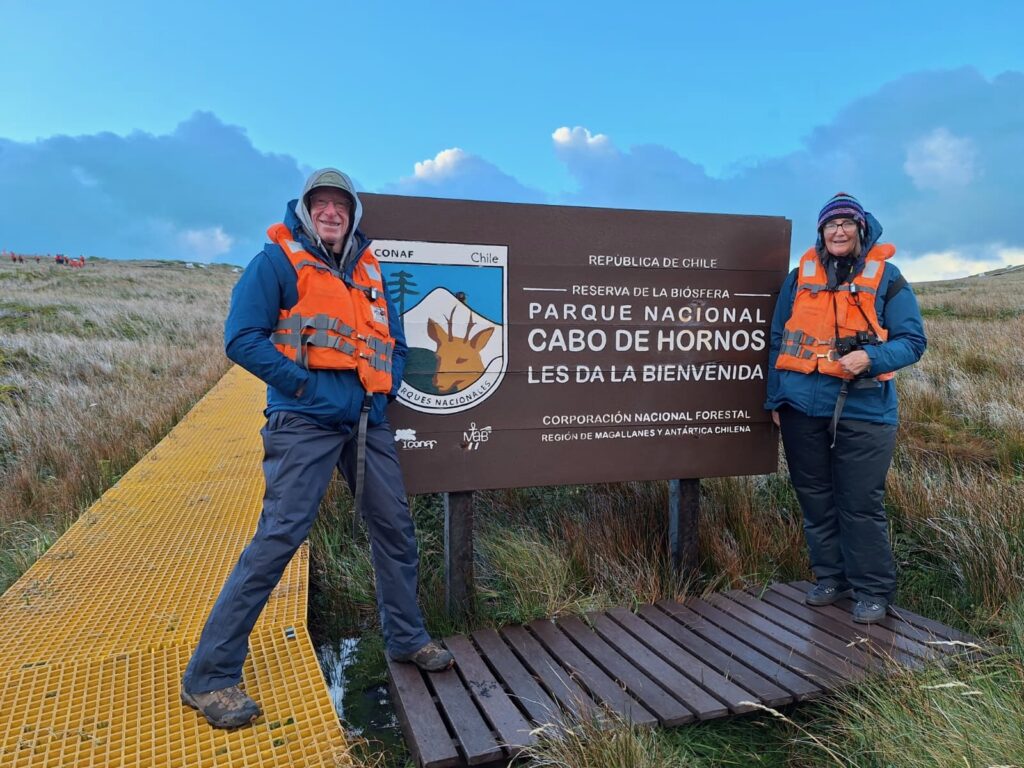
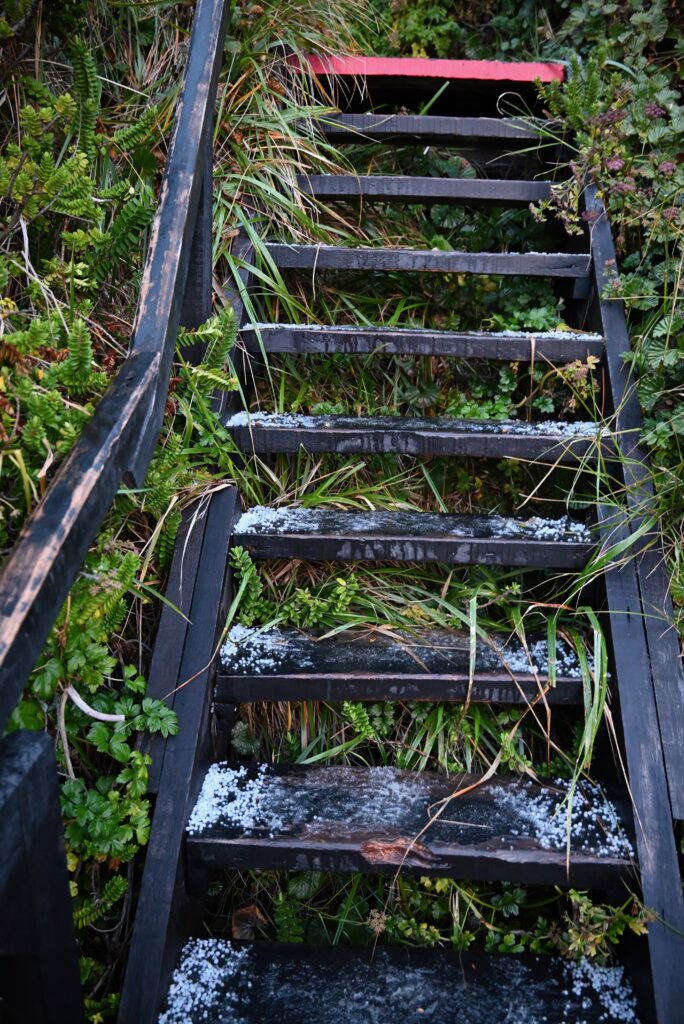
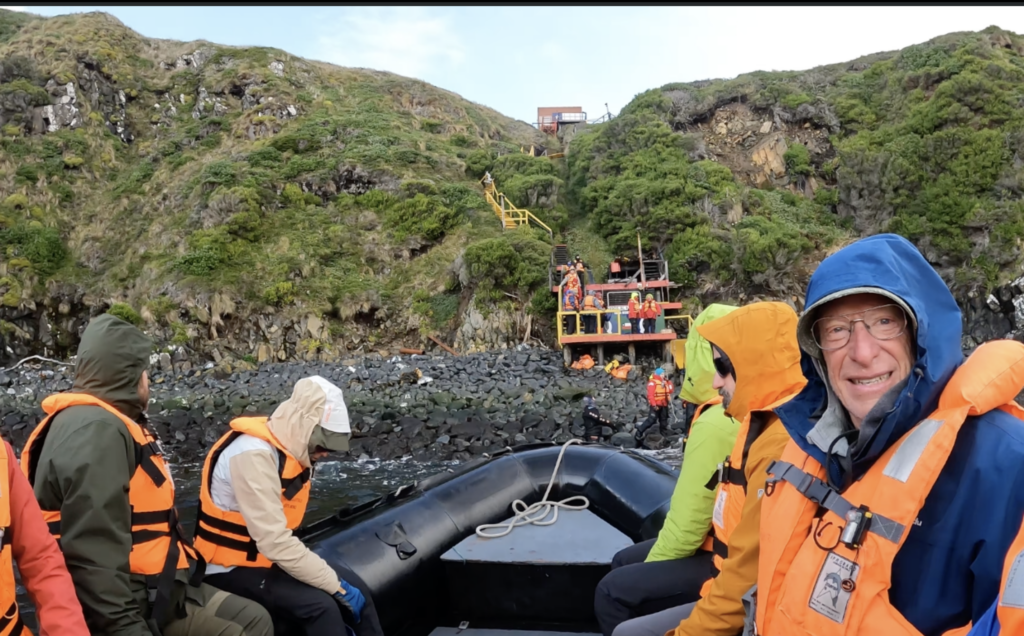
We were up in the lounge at 7am all ready to get on(actually got on about 7:30) the zodiac for a wavy, windy and slightly wet ride to shore. There is very small beach full of rocks but it was only a few steps to the stairs. After about 100 stairs we were on the land of Cape Horn. Yep, it was windy and drizzly- as is said to be “the typical Patagonia weather.” Besides drizzles we had some snow and hail flurries. The path to the albatross sculpture was closed because it was too windy. It was a surprise to see how much vegetation was on the island in spite of the exposure and weather.
I took my GoPro camera to Cape Horn so I could take some pictures on the way back to the ship. Its battery was dead when I tried to use it but when I went to remove the old battery the pull tab came off. By judicious shaking I was able to get the old battery out and then put the new on in, just in time for our return journey to the ship.
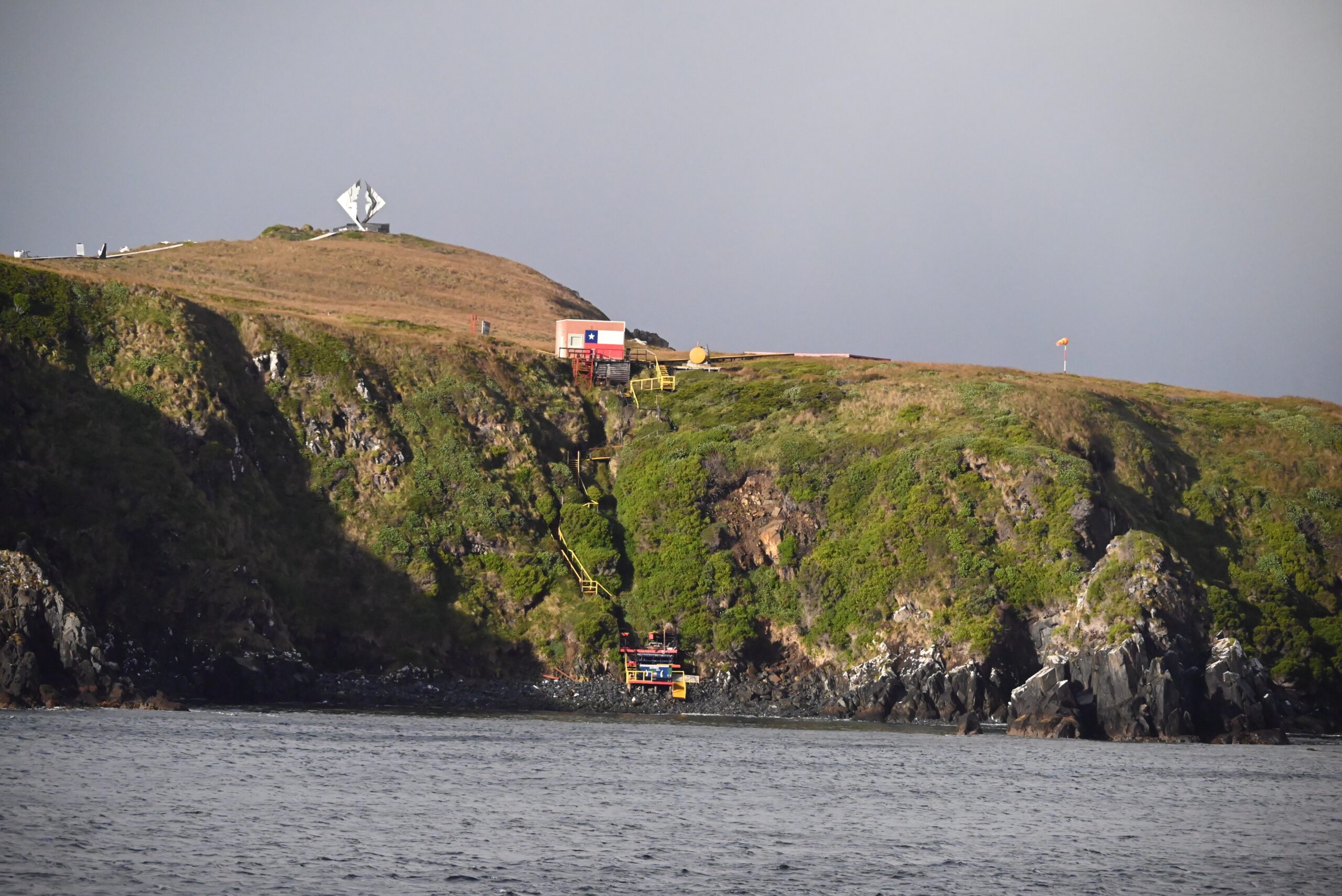
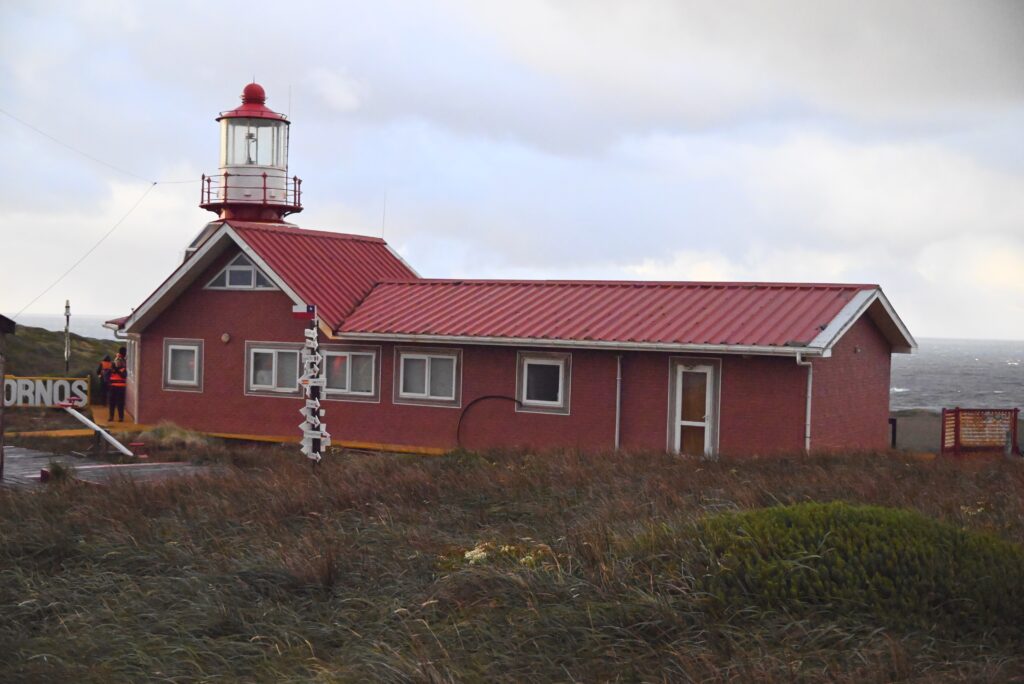
We spent a little time (maybe an hour) at Cape Horn before heading back to the ship for breakfast. I did like the clear view of the stairs and lighthouse on Cape Horn just as we got back to the ship. Shortly after we got back on the ship the snow flurries obscured Cape Horn for about 10 minutes and then it cleared up.
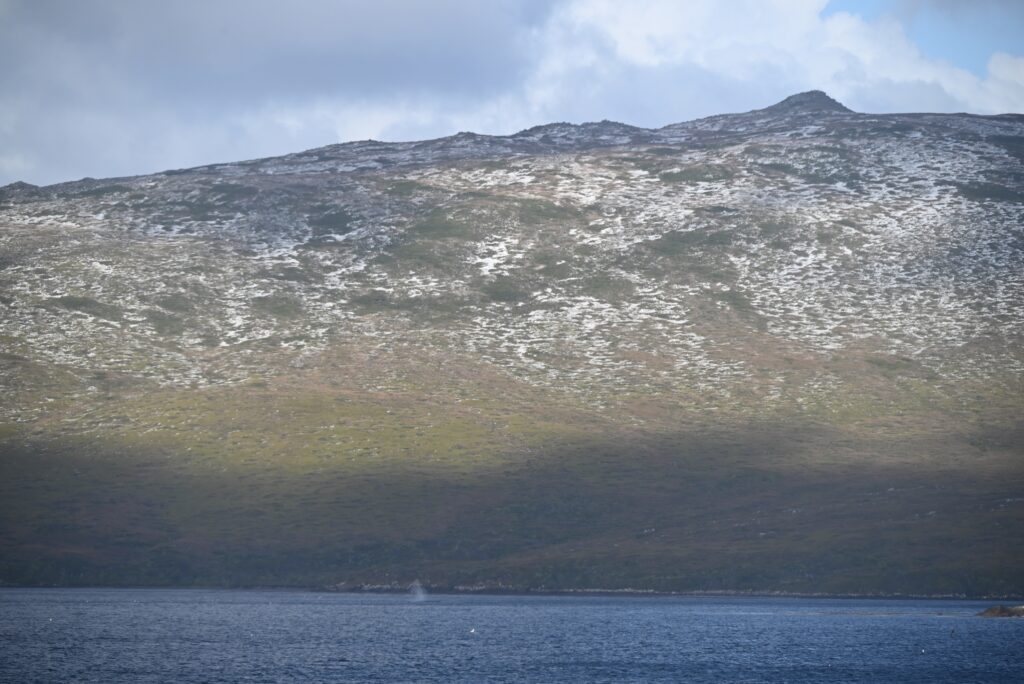
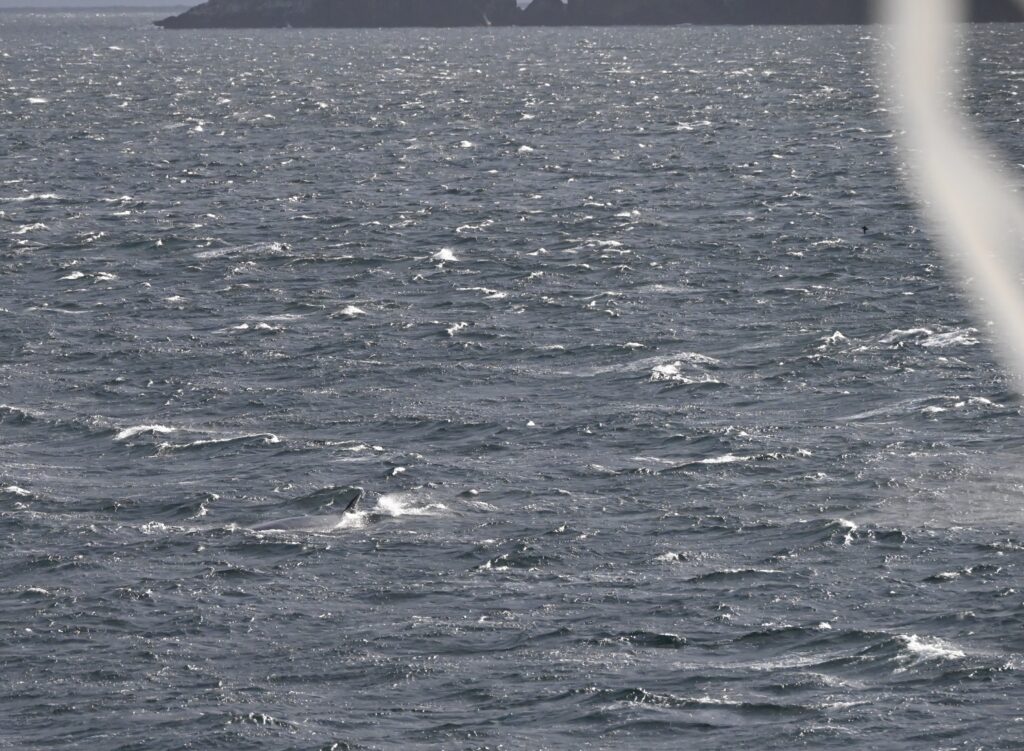
We saw many humpback whales as we were heading to our next stop.
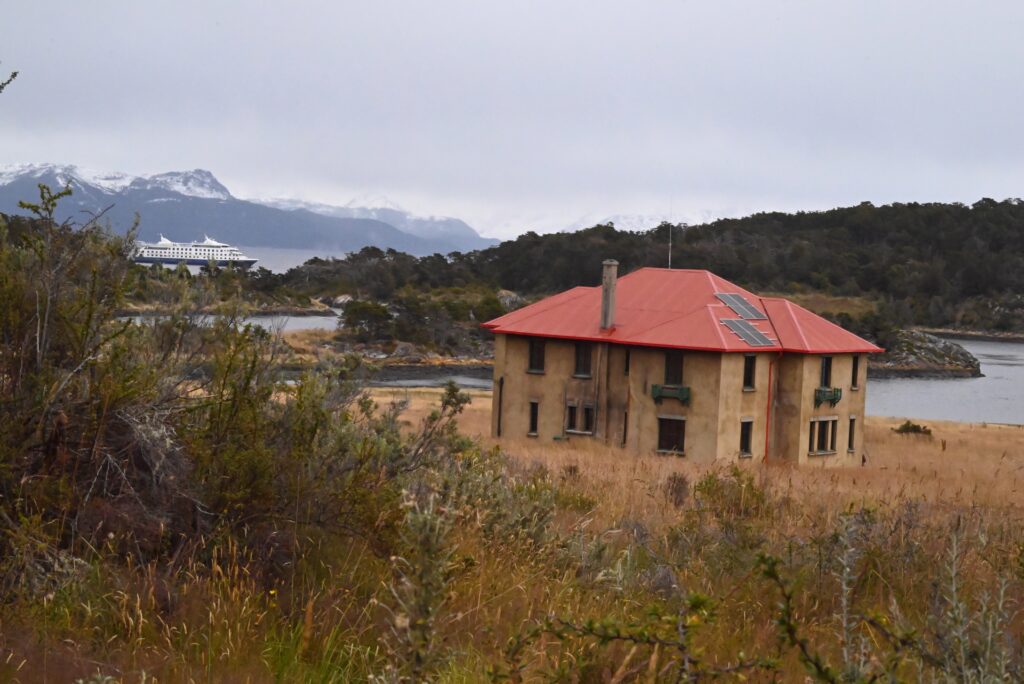
Our second excursion of the day was to Wulaia Bay. This time Tibor went on the lookout excursion hoping to be able to see whales in the bay but they weren’t there. I took the coast excursion again. It’s a beautiful area and we both got to walk a little in the forest. On the coast excursion, there was a building that was converted from a radio control center to a museum. The museum had some great murals with the history of the area. It was fascinating reading a little more about the many original explorers of the area. The one thing that was distressing was that one early explorer took 4 natives back home to England to be exhibited as savages in a zoo- as many as 100 people a day came to look at them. Apparently he wasn’t the only explorer that took natives away from their home land.
Diane and Tibor set foot on cape hornsnow and hail on the steps to the top of Cape HornClear sky next to cloudy sky and vegetation on Cape Horn Rocky beach and zodiac landing siteReturning to the ship on the Zodiac with beautiful sunny skiesview of seas and ship just before returning to the shipLighthouse on Cape HornView of Cape Horn obscured by snow flurries about 10 minutes after we boarded the ship- not a sunny sky nowWhale blow and snow dusted mountainsThis humpback whale was pretty close to the shipWulaia Bay Museum with our ship in the background
Today is the end of the first leg of our cruise- we went from Punta Arenas to Ushuaia and will go from Ushuaia to Punta Arenas for the second leg. It is almost the same route but not quite. We go thru the same channel where we saw lots of whales and fur seals and I sure hope we get to see them again. The stop to see penguins on the first leg was changed because the penguins had already migrated away. This leg we plan to stop at Isla Magdalena to see Magellanic Penguins. I took an excursion to that island before the first leg and saw many penguins. I hope they are still there and we stop.
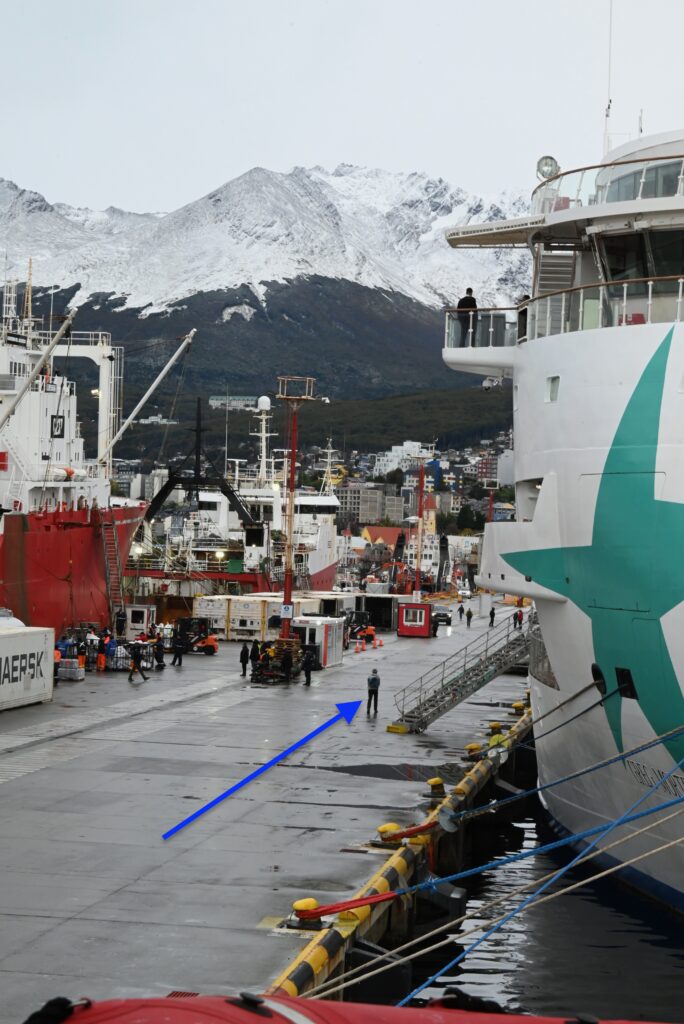
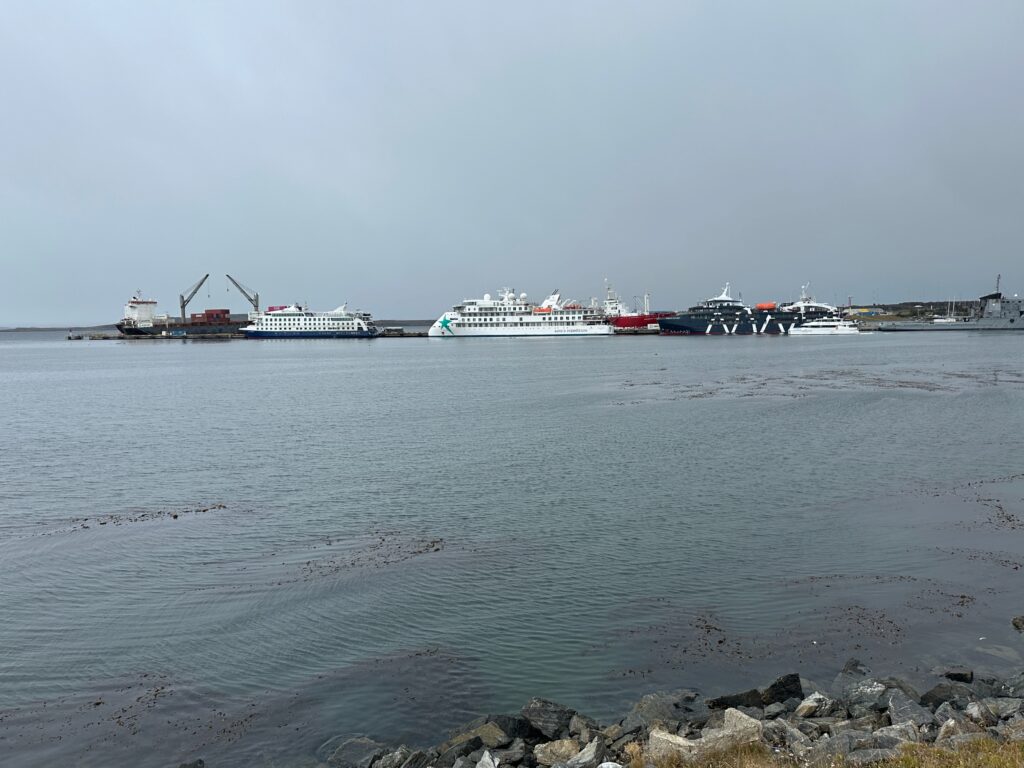
We stopped near Ushuaia and the Argentina immigration officials boarded the ship to complete the customs formalities. We arrive at the pier about midnight.
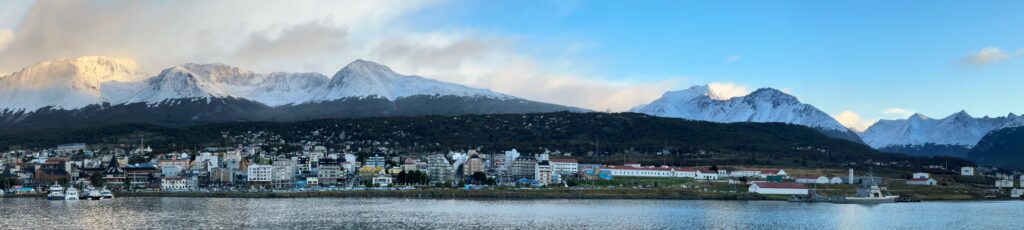
Tibor left the ship to walk around the hills outside Ushuaia while I stayed on board to organize photos. After a nice lunch on board I left the ship and walked around town for an hour or so. Once it started snowing I headed back to the ship. I had to bypass the sign & chain that said boarding wasn’t until 18:00 but they let me on and were happy to see me.
The new passengers arrived on-board about 6pm, we have the welcome toast at 7pm, we depart at 7:45pm and have dinner at 8:15pm.
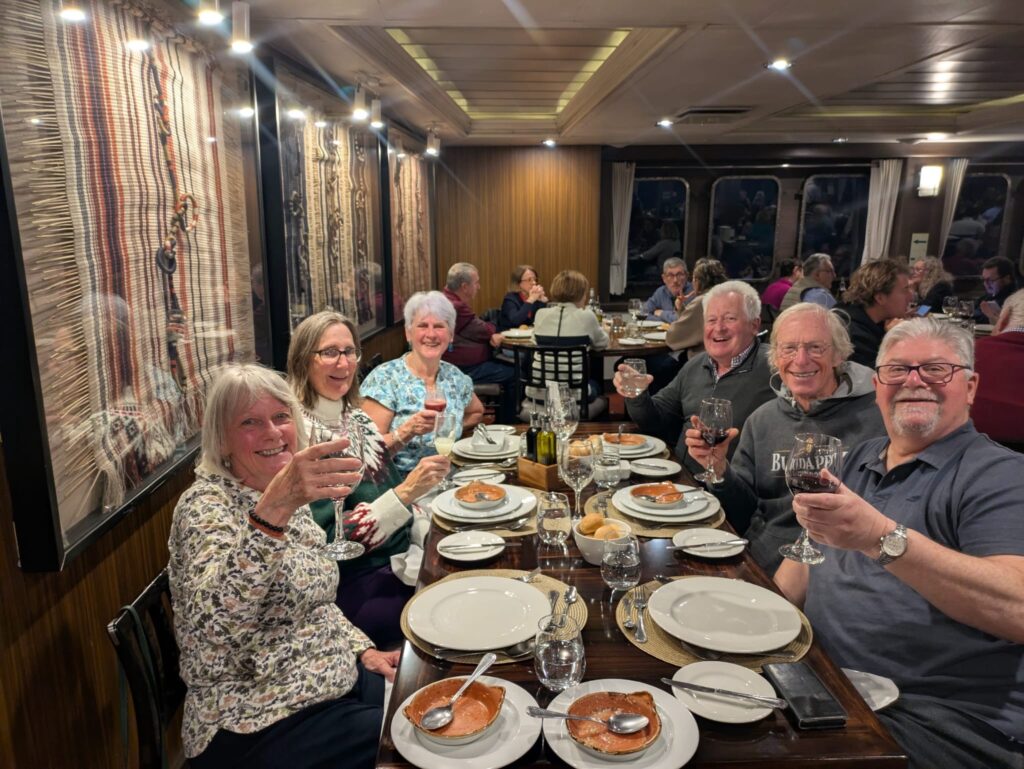
We really enjoyed our table mates on the first leg. There were 2 couples and both couples were from the UK.
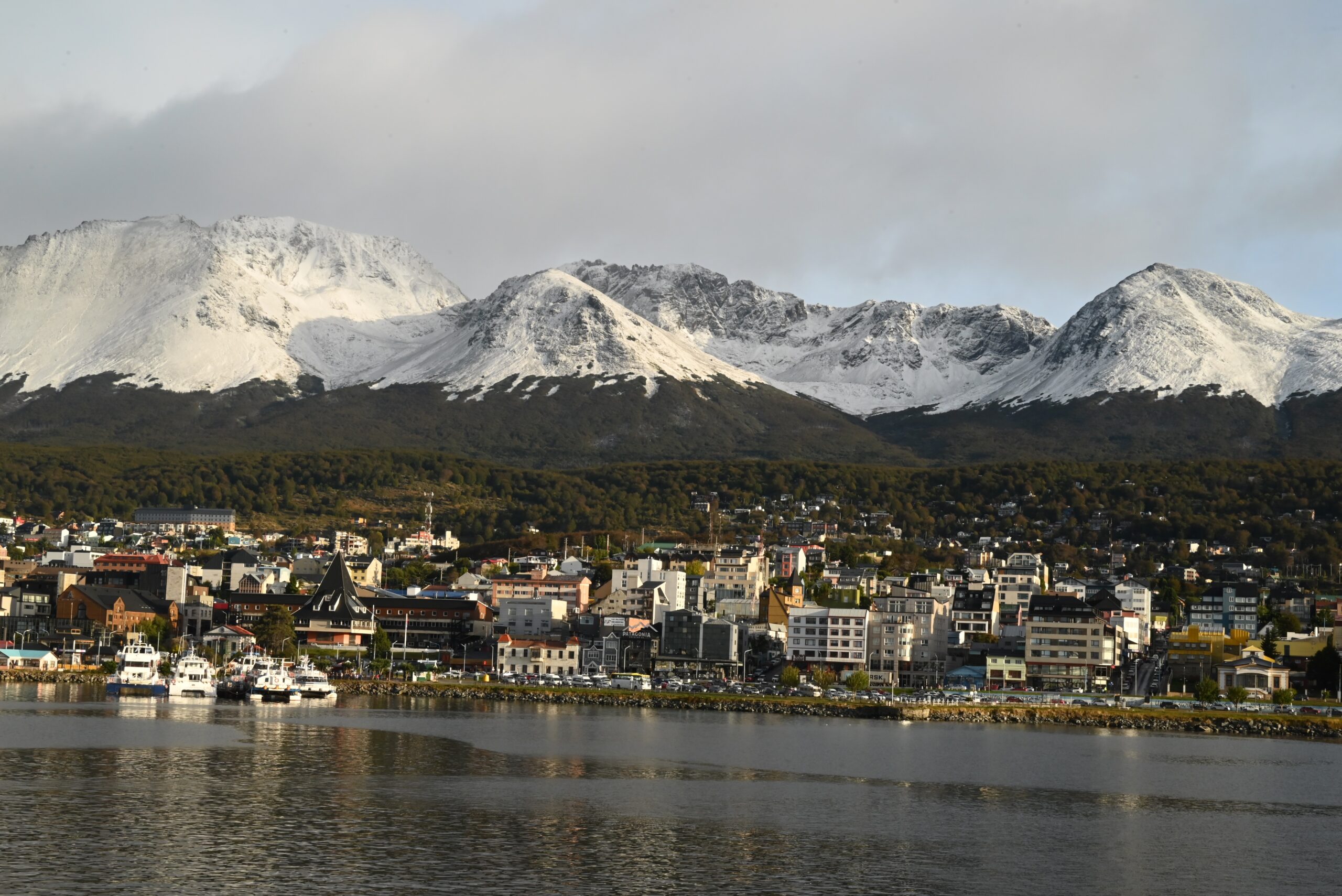
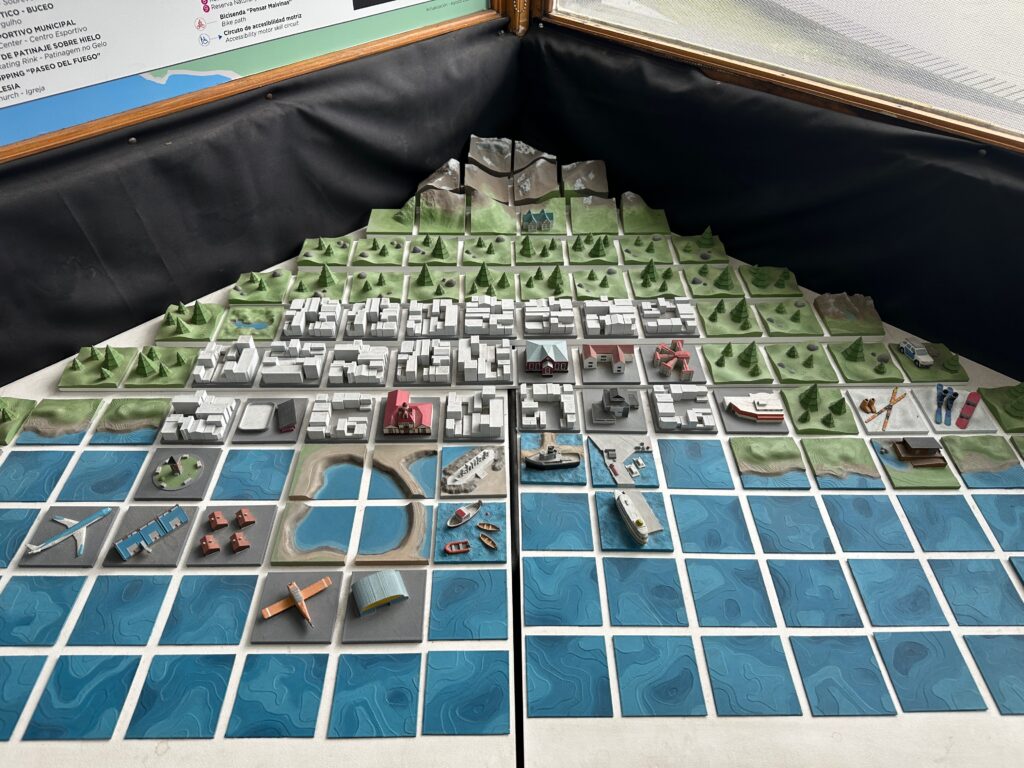
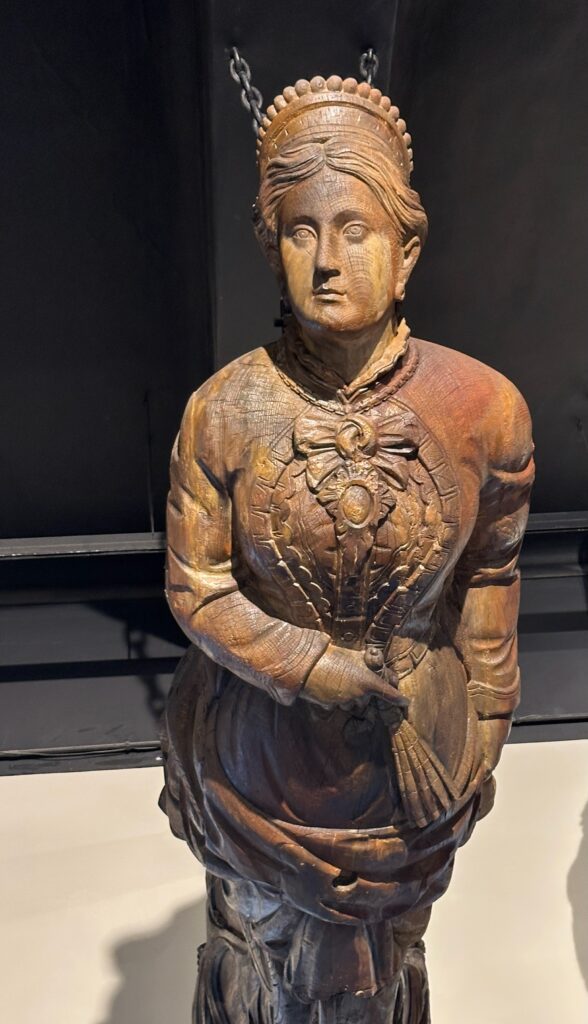
our table mates- Alison & Steve and Debbie & NickTibor heading off down the pier to UshuaiaUshuaia viewVery fun map at the Ushuaia visitor centerRecovered ship prow in the Fin Del Mundo MuseeoOur ship at dock- leftmost one and then the black one is the ship we’ll take for our next cruise
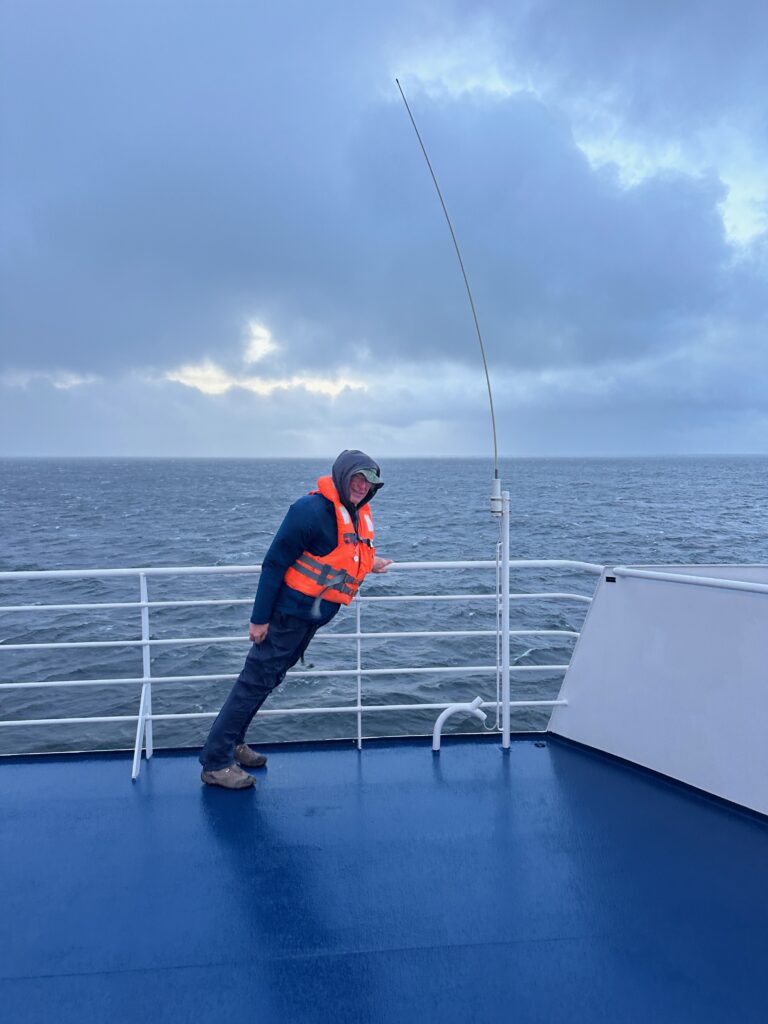
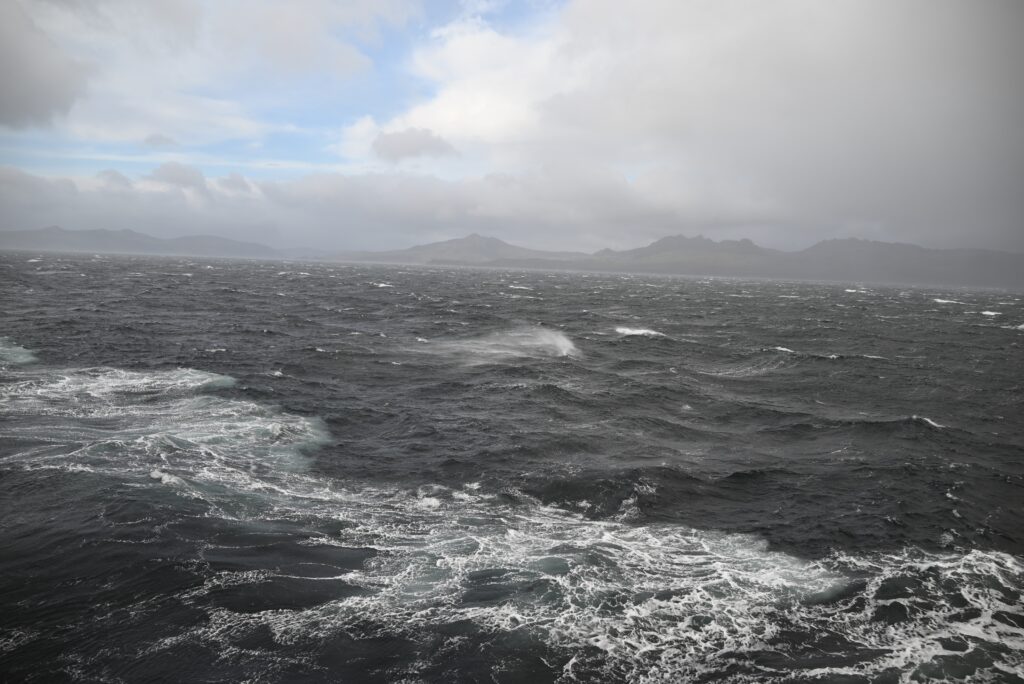
We were hoping to walk on Cape Horn but the windy was too gusty and it wasn’t safe to land- it gusted up to 100 Km/hour. We did go out on deck to feel the ‘real’ Cape Horn weather. At one point I was going to go up to the 5th deck but a staff member said not a good idea because of the wind.
We ‘drove’ around in circles next to Cape Horn for about 45 minutes and then we headed off to our next stop at Wulaia Bay.
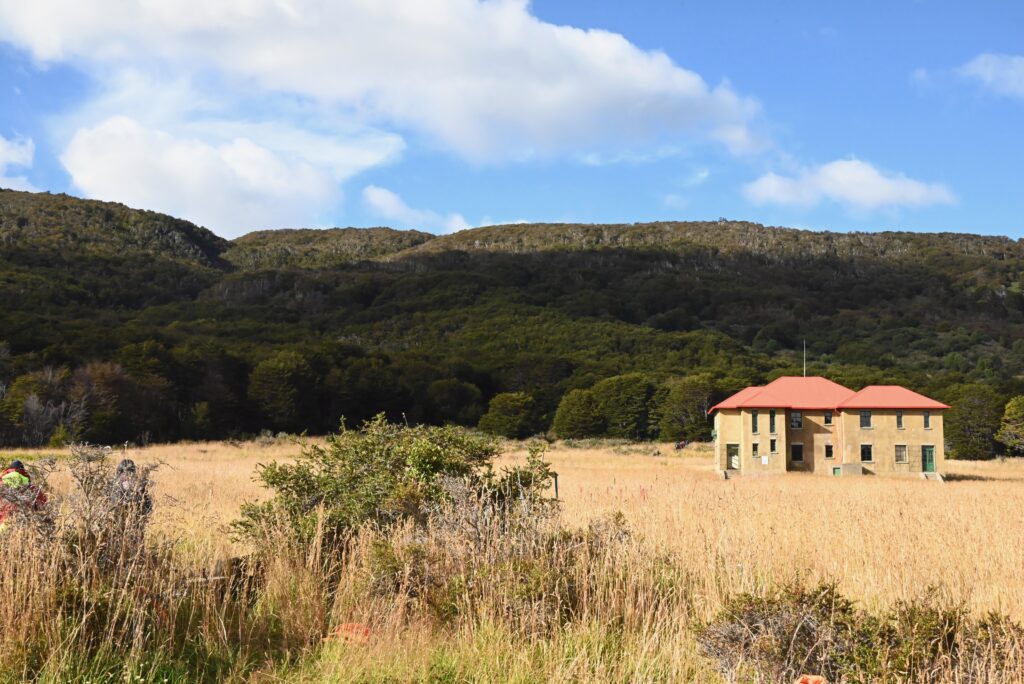
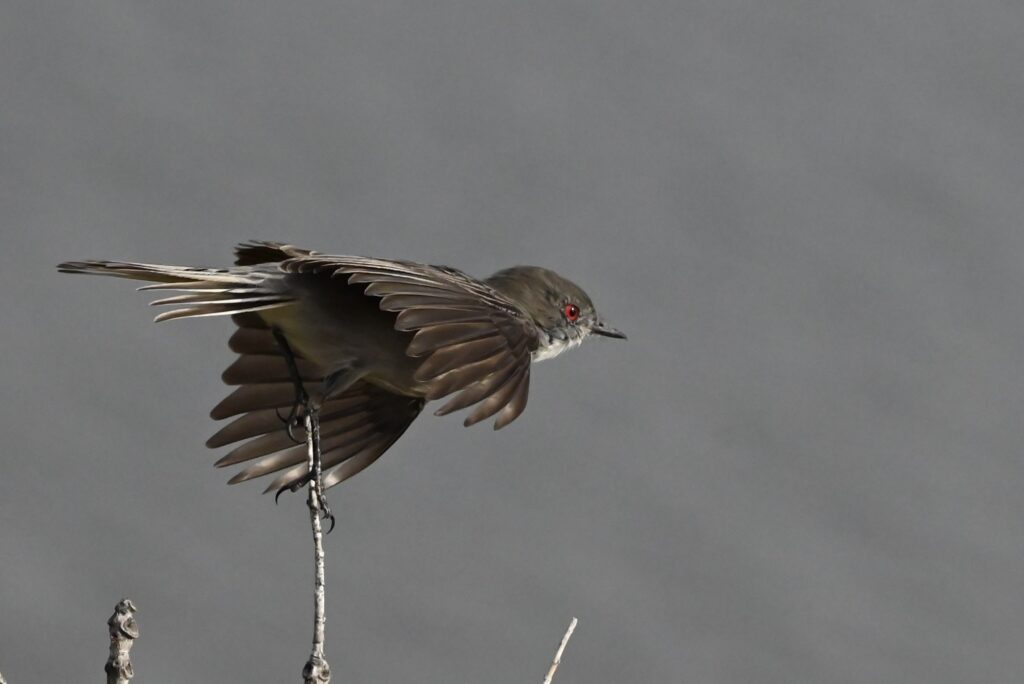
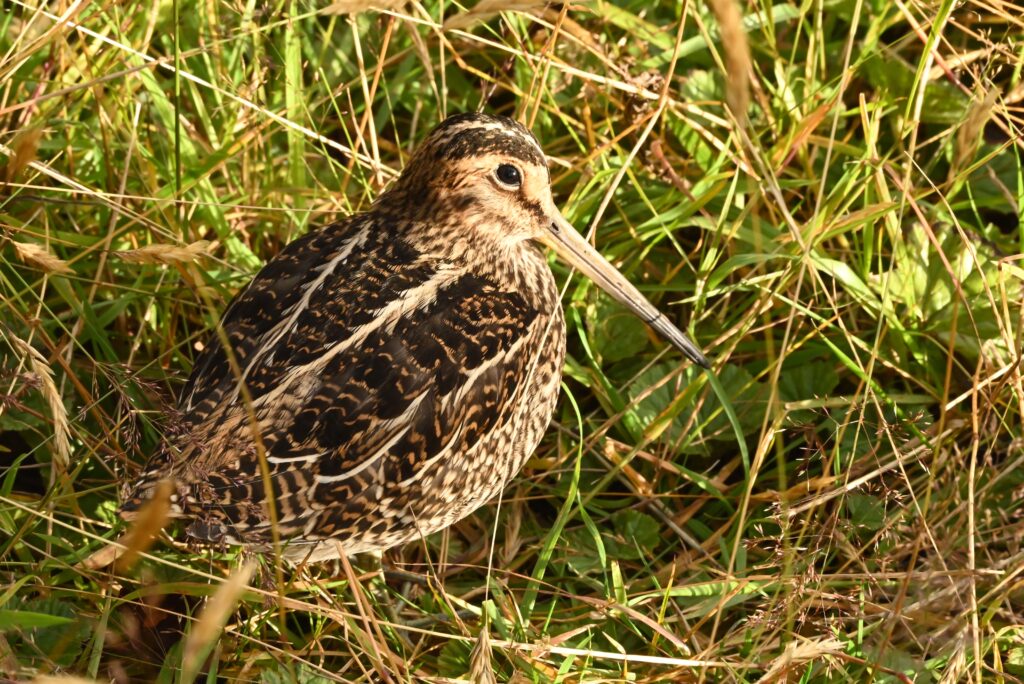
Tibor picked the ‘high physical demand’ excursion and hiked/walked up to the summit to get some great views of the bay. I took the easy forest/coast excursion and saw a number of different birds- Flightless Steamer Ducks, Fire-eyed Diucon, Albatross, Petrels, Andean Condor, South American tern, Magellanic Snipe, and more.
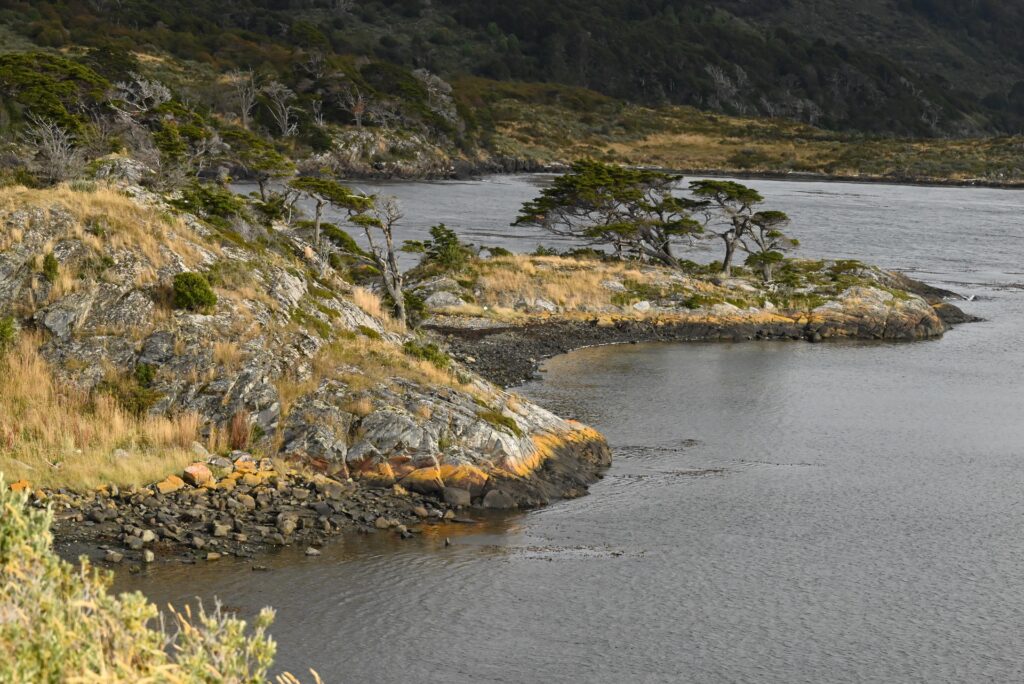
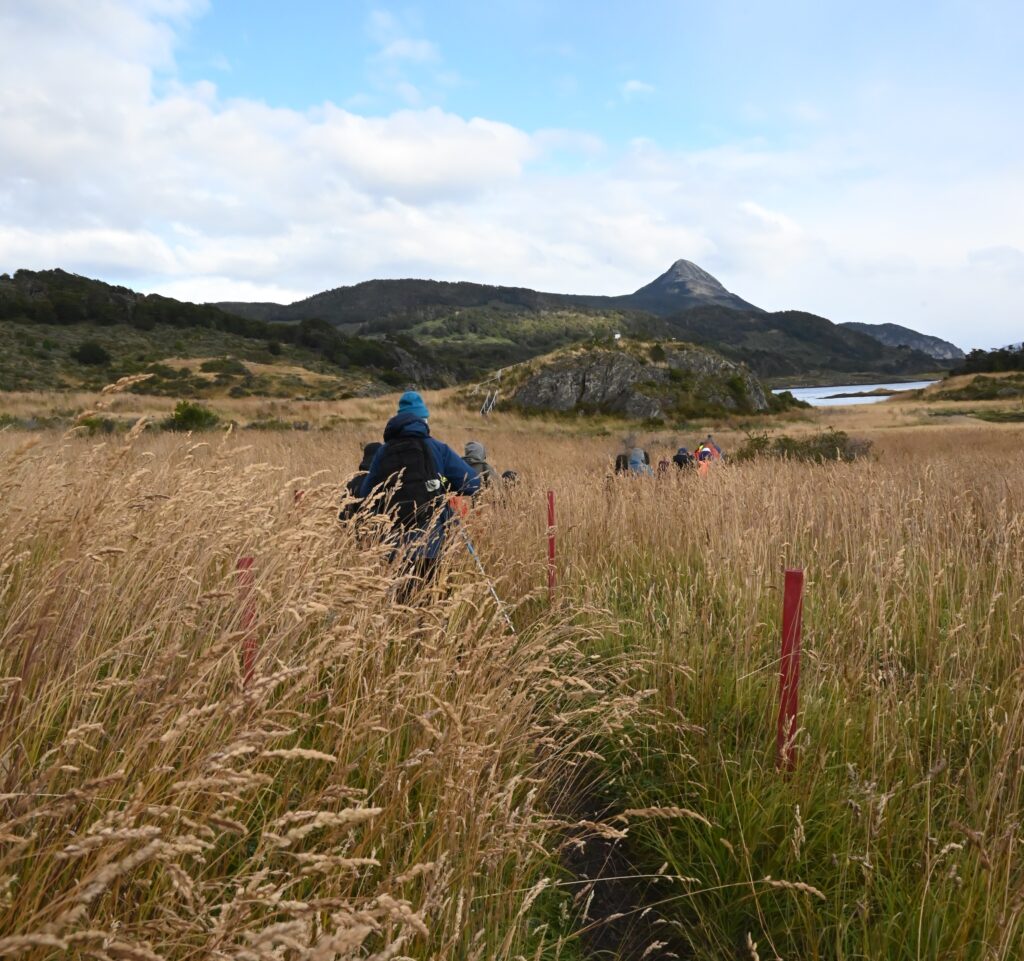
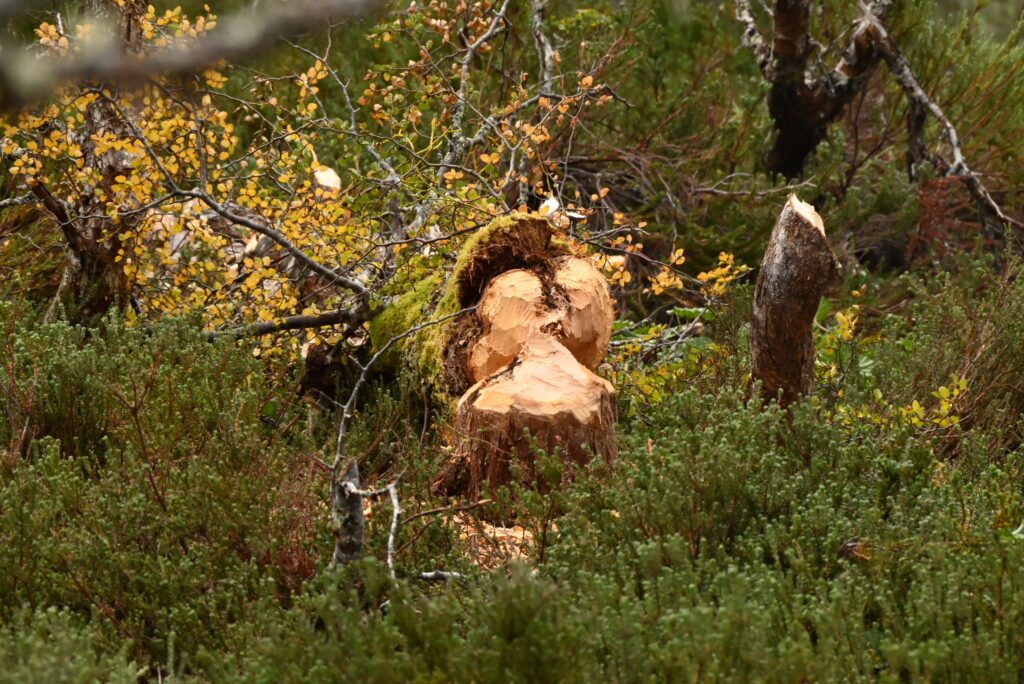
At Wulaia Bay, we walked around the area and visited the old abandoned Radio Station building. The area once held farms and the cows, pigs, horses were released when the farms were abandoned. Don’t know what happened to the horses but the cows and pigs are now wild. It was particularly odd to see cow pies (poop) on the trail. Didn’t actually see any cows or pigs. The area also has a number of dead trees from the invasive beavers.
At the Radio station is a barrel. This barrel was a replica of the barrel used by the sailors in the area. They would write letters and leave them in the barrel, the next sailor would search thru the barrel to find a letter that was going the same direction and would deliver it. We could leave and take one post card if we wanted. I left a post card and picked one up and will deliver it to a town near our home.
When we got back to the pier they had a hot chocolate station and were giving out hot chocolate (with or without whisky). That was a nice, warming touch.
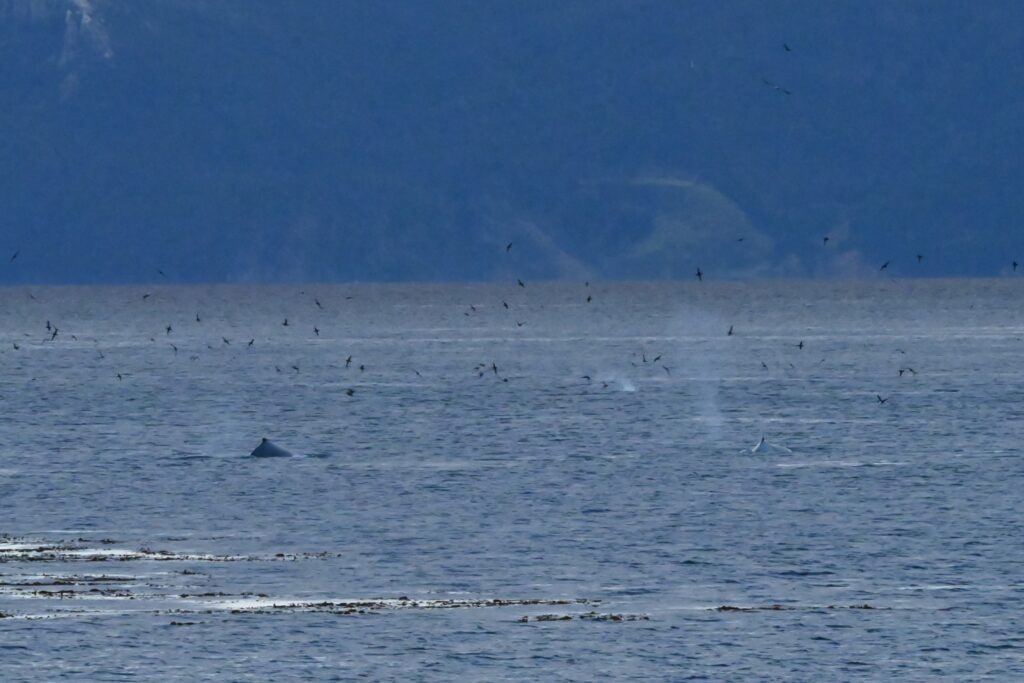
On the way to Ushuaia, in the Beagle channel we saw so many whales, fur seals and birds it was amazing. It was a bit late in the day so all my pictures were blurry and dark but it was incredible to see.
At the end of the cruise, guests are invited to submit pictures they took during the voyage. Most, but not all, of these pictures would be used to create a slideshow that was shown in the lounge. I submitted a couple of pictures and was happy when the crowd went ‘oohh’ when they saw one of my pictures.
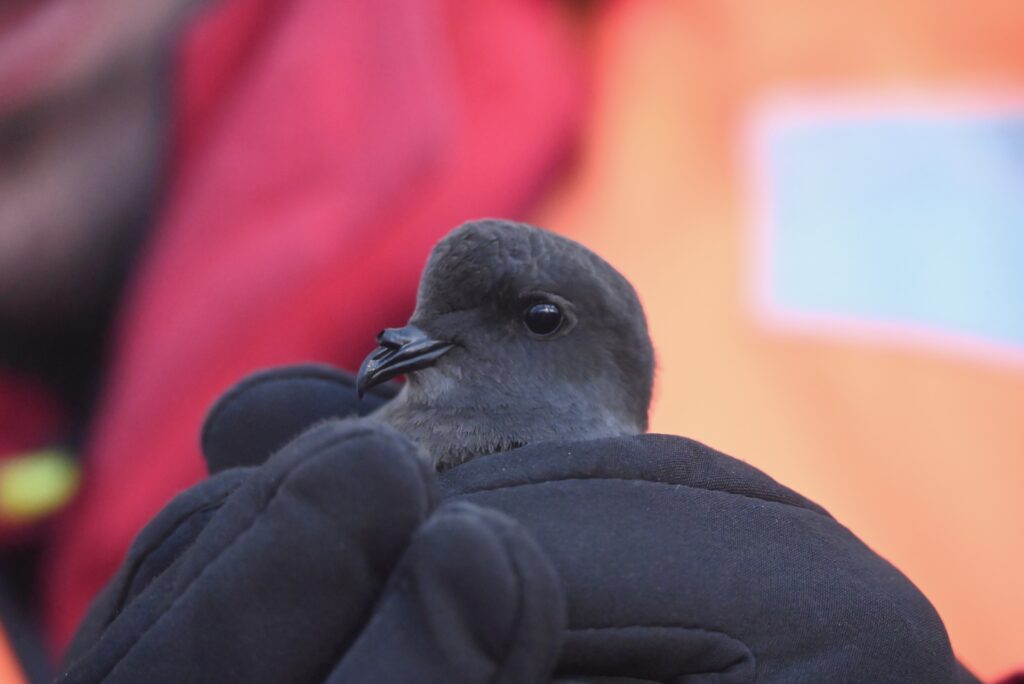
At Cape Horn in the windAt Cape HornYep, the wind is strong but it’s gusty too so Tibor had to hang onto the railingThis baby black petrel was found on the deck of the ship. windy conditions on the sea near Cape HornThe orange line is the high tide line in Wulaia BayPost Office and Radio Station, the grasses are invasive and left over from the abandoned farmstrail among the invasive grasses from the abandoned farmsFire-eyed Diucon (named from the red eye). This got lots of oohhs and ahhs at the end of cruise slideshowMagellanic Snipe- also well received at the end of the cruise slideshowblurry and dark but you can see the black hump of a humpback whale, and the blows of two other whales- it was incredible to see them
It was a long boat ride from Ainsworth Bay to Pia Glacer so we did not have an excursion in the morning and everyone stayed on the ship until after lunch.
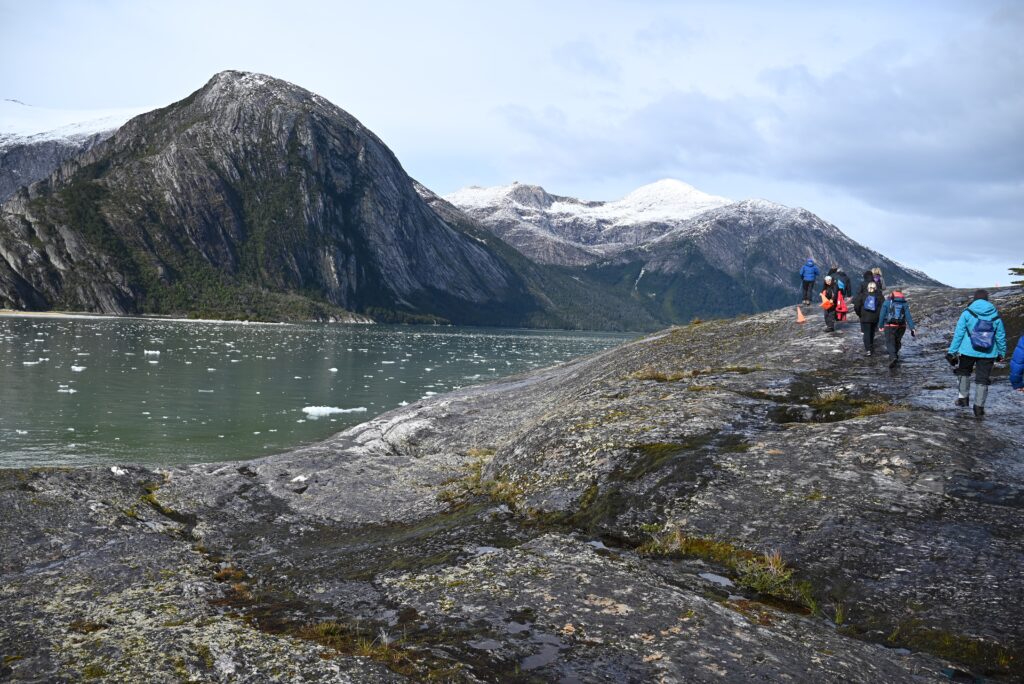
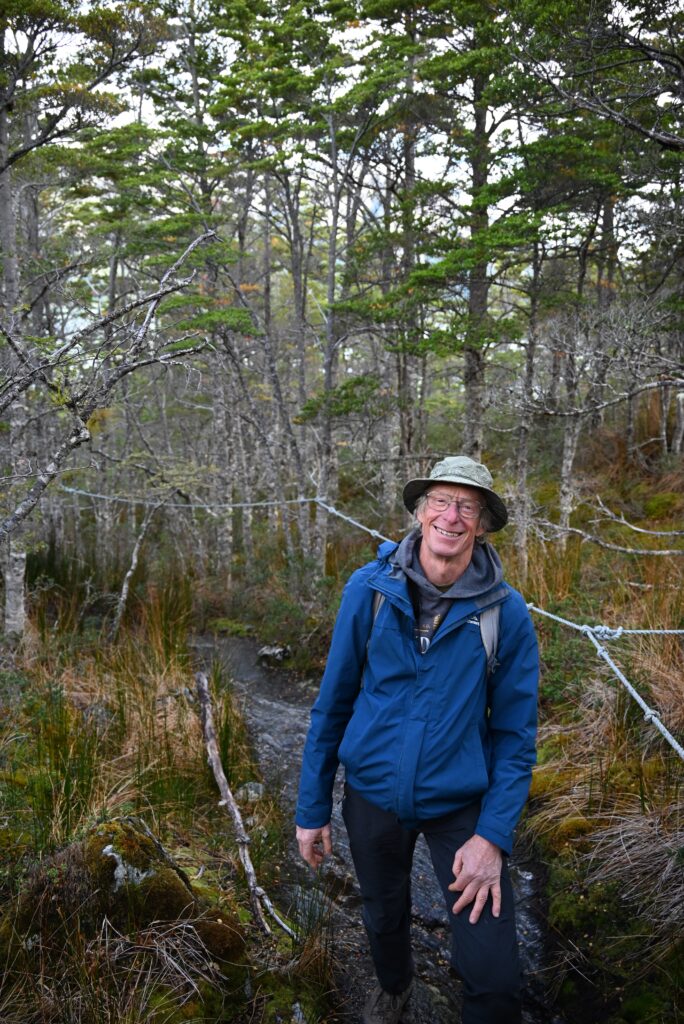
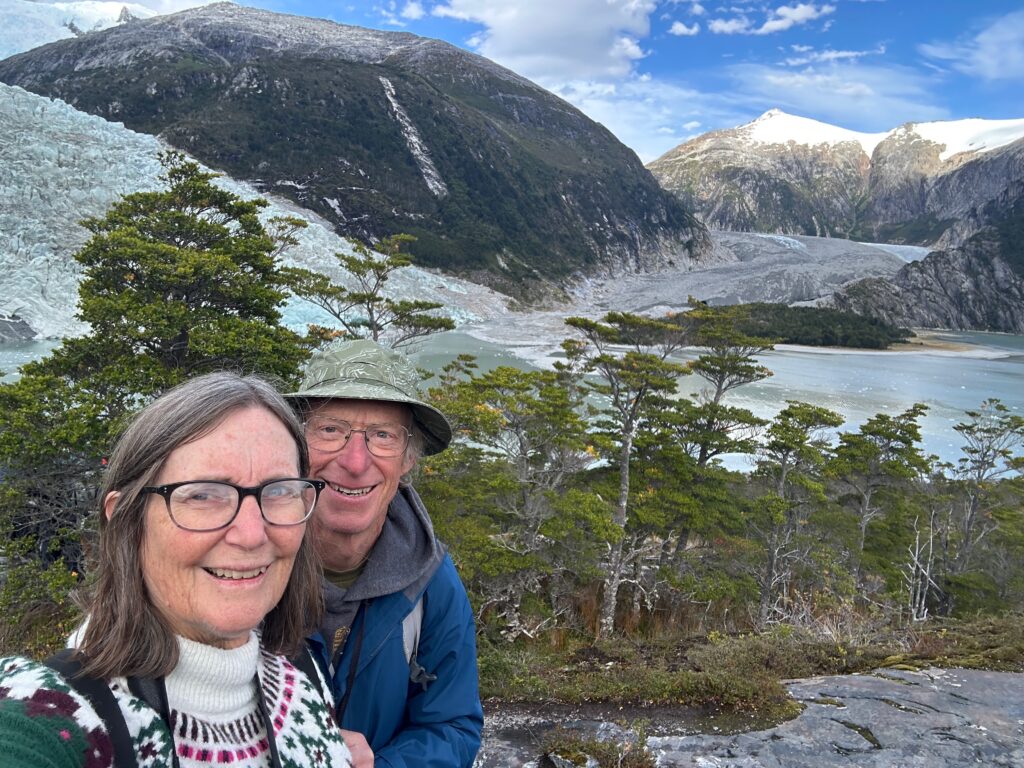
We again selected a ‘Low Physical Demand’ excursion but this time it had mud, slope, physical activity and medium educational content since we walked up the slope to a lookout spot. We walked past the glacier and watched a small calving(where a piece of the glacier breaks off) and then walked into the forest. The trail was a bit steep and I thought the rock would be slippery like the granite in Yosemite but the rock wasn’t slippery but the land (mud, lichen, moss) was slippery. I held onto the rope next to the trial until I realized it wasn’t taut and wouldn’t keep me from falling.
When we got back from the walk in the forest, we watched the glacier hoping to see more calving and took the second to last zodiac back to the ship. The last zodiac had the guides.
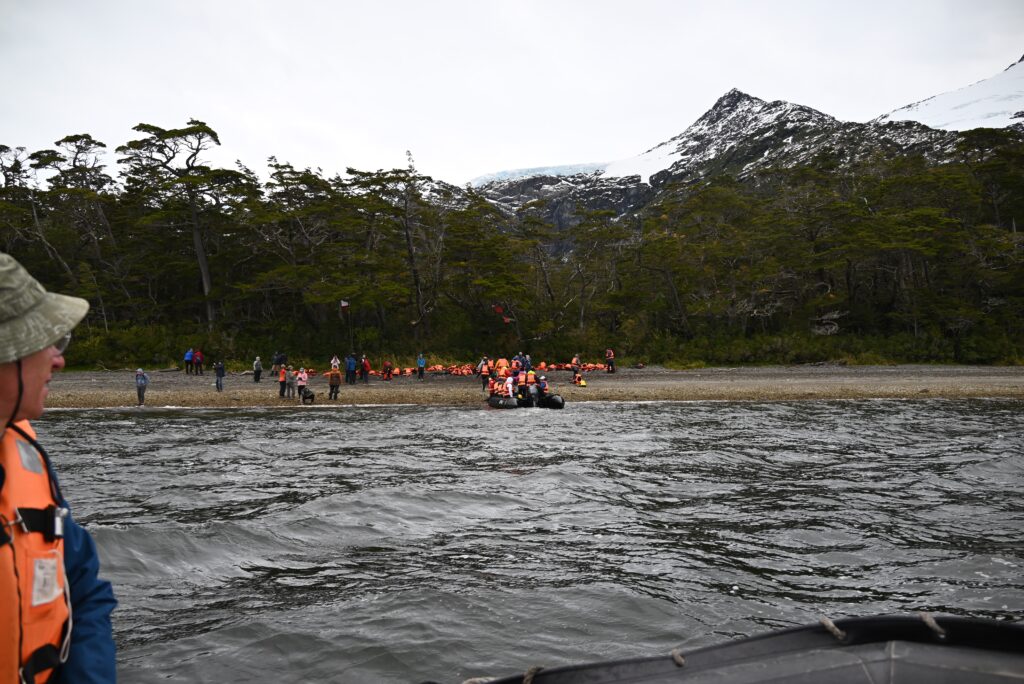
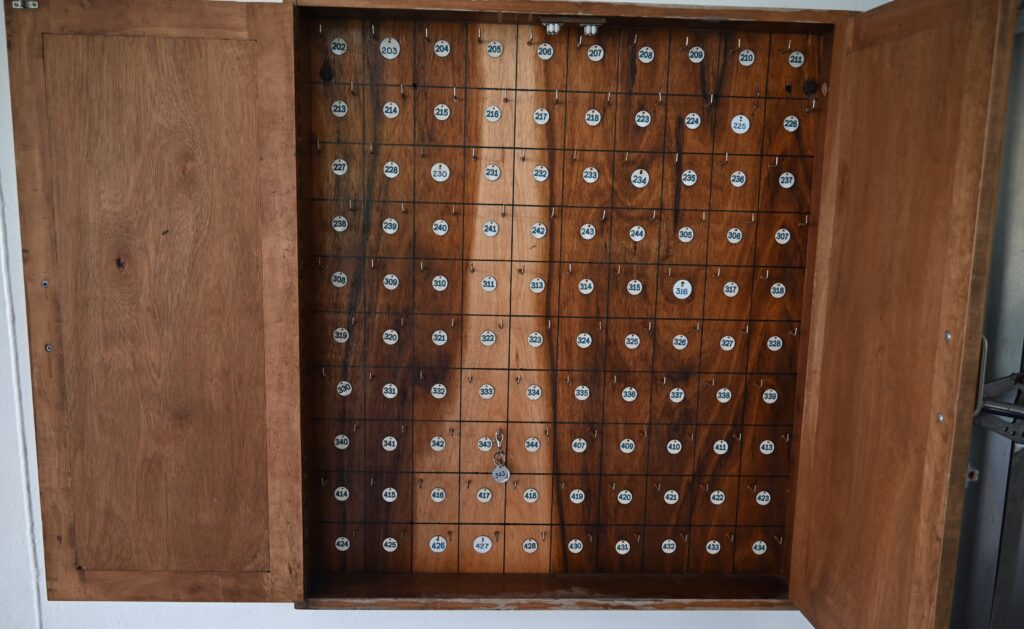
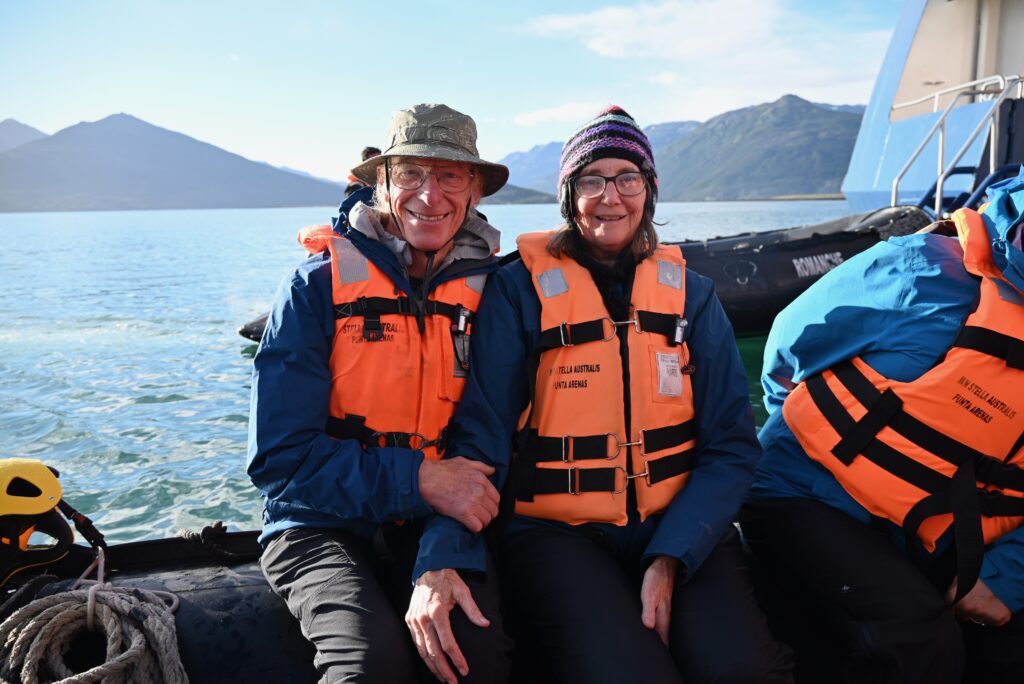
When you leave the ship you must wear a lifevest, you remove a keychain with your number on it from your lifevest and put it on a hook in a cabinet. When you return you take the number out of the cabinet and put it back onto your lifevest. If the cabinet has no keychains/numbers in it after all the zodiacs return, then the staff knows everyone is on board.
When you get to shore, everyone takes off their lifevest and puts it on the shore. At the end of the excursion, you pick up a random lifevest to wear back to the ship. Some folks try to ‘hide’ their lifevest in order to get the same one when they return but that doesn’t typically work since someone else usually finds and uses it. Then the folks that ‘hid’ their lifevests are upset.
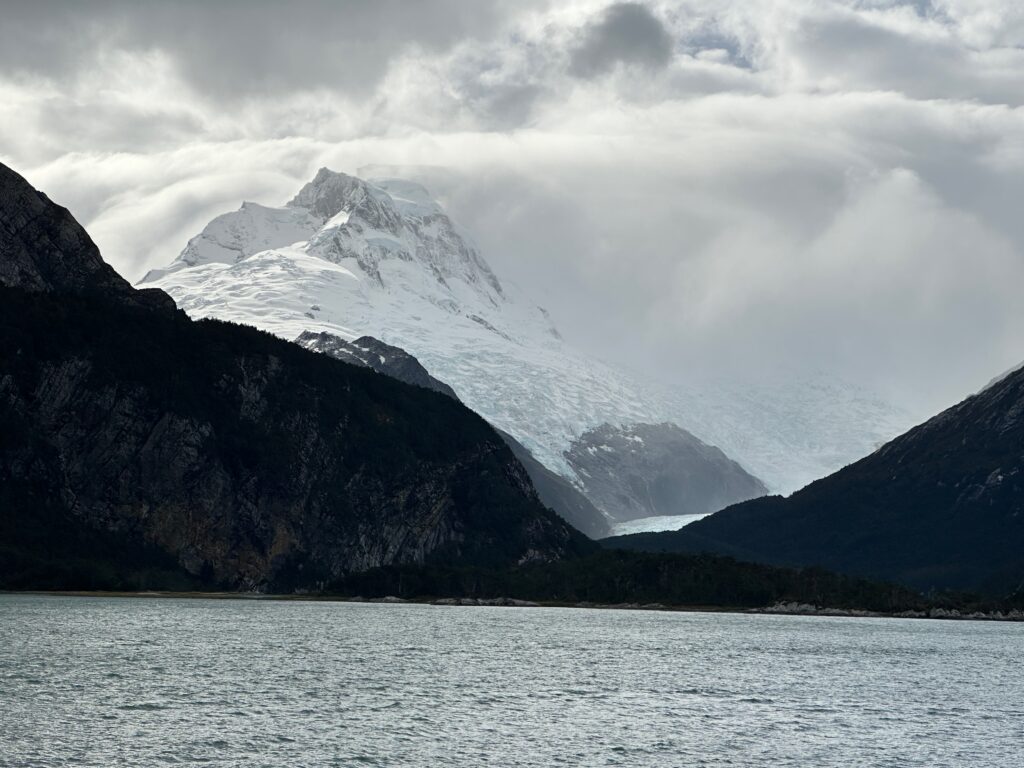
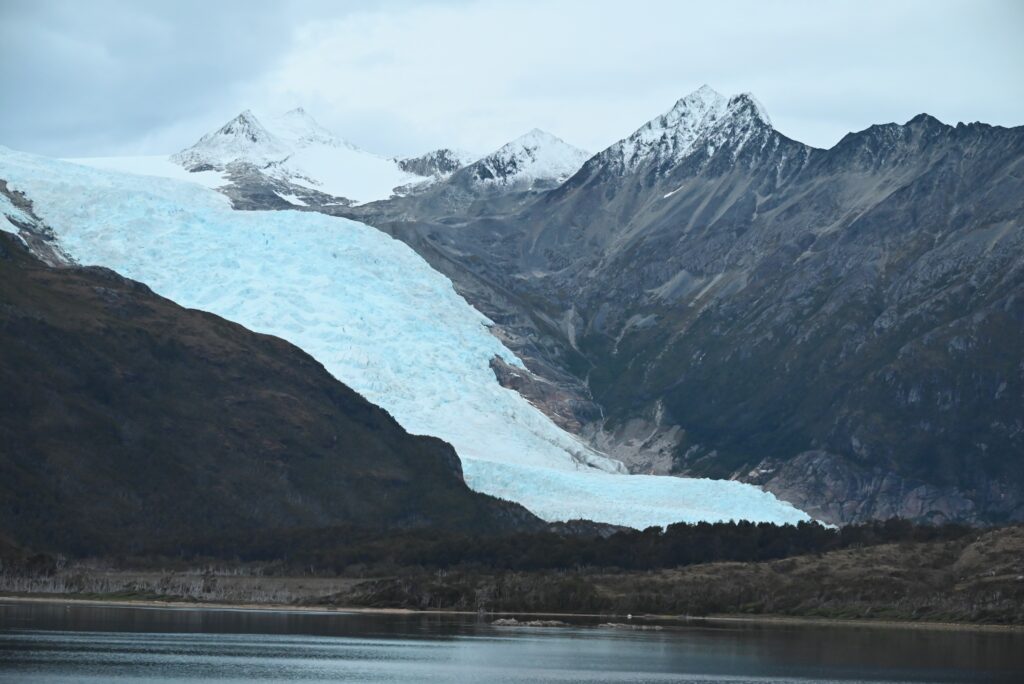
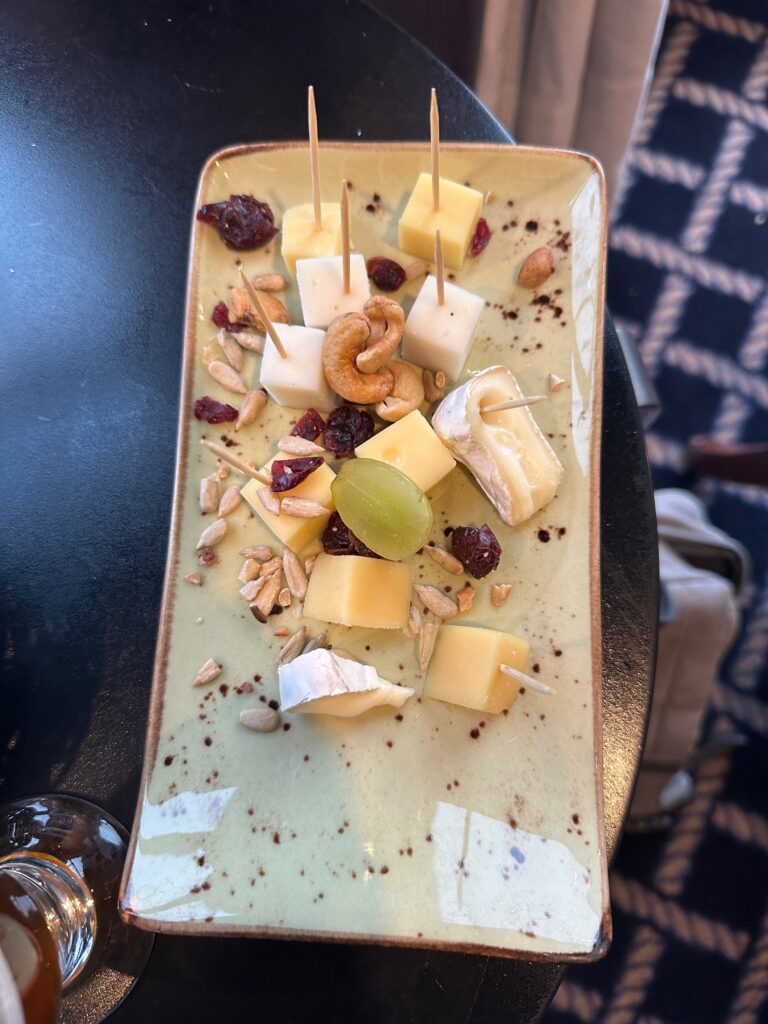
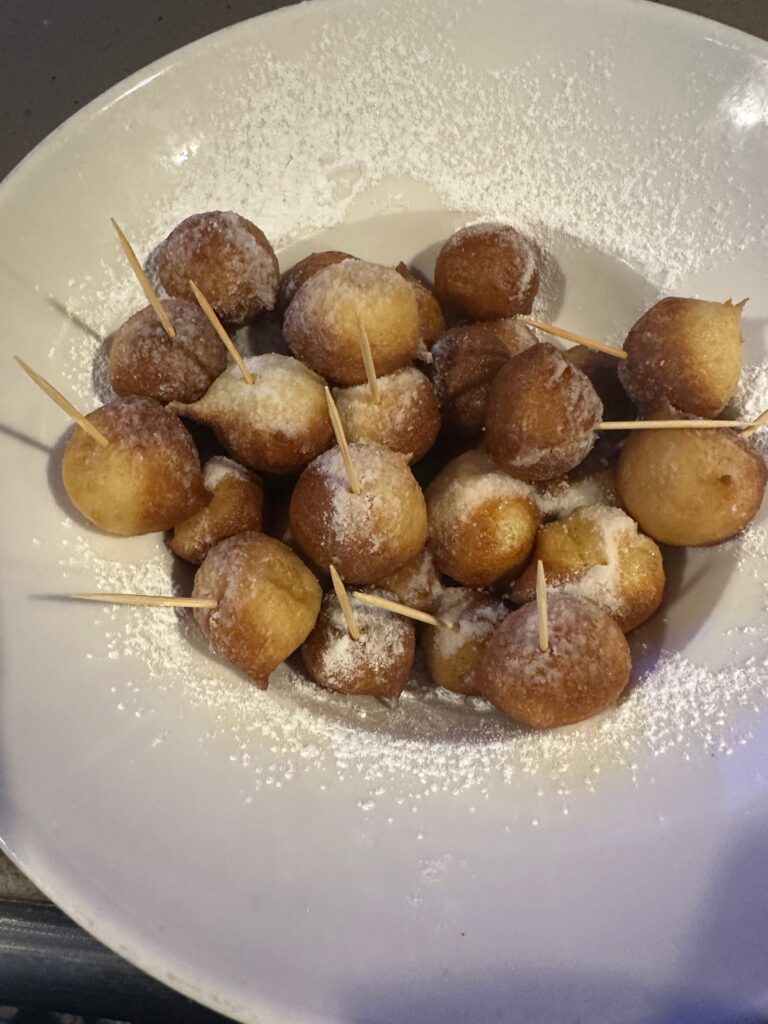
The route to our next stop took us thru Glacier Alley where there are a number of large/named glaciers. We were served food/drink to match the glacier nationality. We had beer and sausage when we went by the Alemania (Germany) glacier, cheese and wine when we went by Francia (France), pizza when we went by Italia (Italy), and Ollenballen when we went by Holanda (Holland).
Glaciers along the way to Pia GlacierAt the Pia Glacier- an advancing glacier in the Alberto de Agostini National ParkOn the trailFor a sense of scale- The ship in the photo is a sister ship to the one we are on and it is the same size.We made it to the lookout. The gray area in the background beyond the water is another glacier. It is not a tide water glacier as it doesn’t touch the water. It’s a valley glacier. The ice is under all the gray sedimentsCabinet to determine who is on and who is off the shipClouds and sister ship as we are leaving Pia GlacierAlemania (Germany) glacier in Glacier AlleyFrancia (France) Glacier in Glacier Alley Italia (Italy) Glacier in Glacier AlleyHolanda (Holland) glacier in Glacier AlleyCheese plate for the Francia (France) Glacier in Glacier AlleyOllieballen for Holanda (Holland) Glacier in Glacier Alley
Today we visited Ainsworth Bay where we went on a forest walk and in the afternoon we visited Gallegos Glacier.
There are screens on the ship that give the daily schedule. They are in multiple languages- English, Spanish, French. Folks are divided into groups for excursions. The excursion groups are also grouped by language.
Each excursion is rated on
Pace- how fast you’ll walk- the longer the distance the faster the pace as all excursions have the same amount of time ashore
Mud- how much mud you’ll have to walk thru
Slope- how steep the slope is
Physical Activity
Educational Content- this happens to be inversely proportional to the pace- the faster the pace, the less educational content
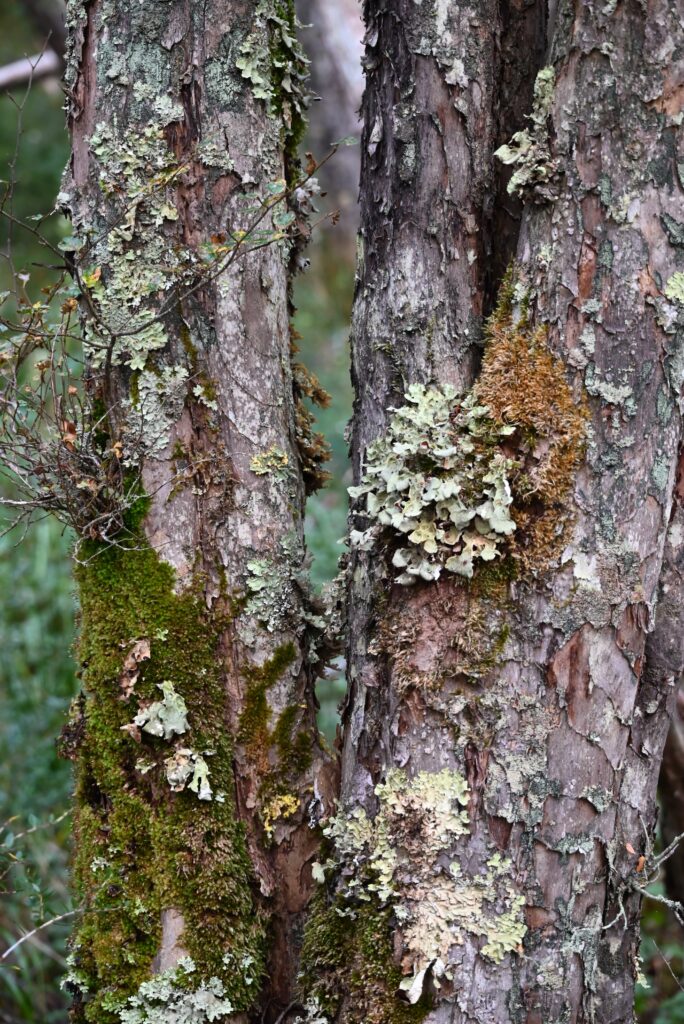
The forest excursion we went on was rated ‘low physical demand’ but it had a large educational content. It was so amazing to see the forest with it’s tall green trees, lots of beautiful lichen and mosses with a mountains and glaciers in the background.
We saw a fox just on the beach as we were getting ready for our walk so that was exciting.
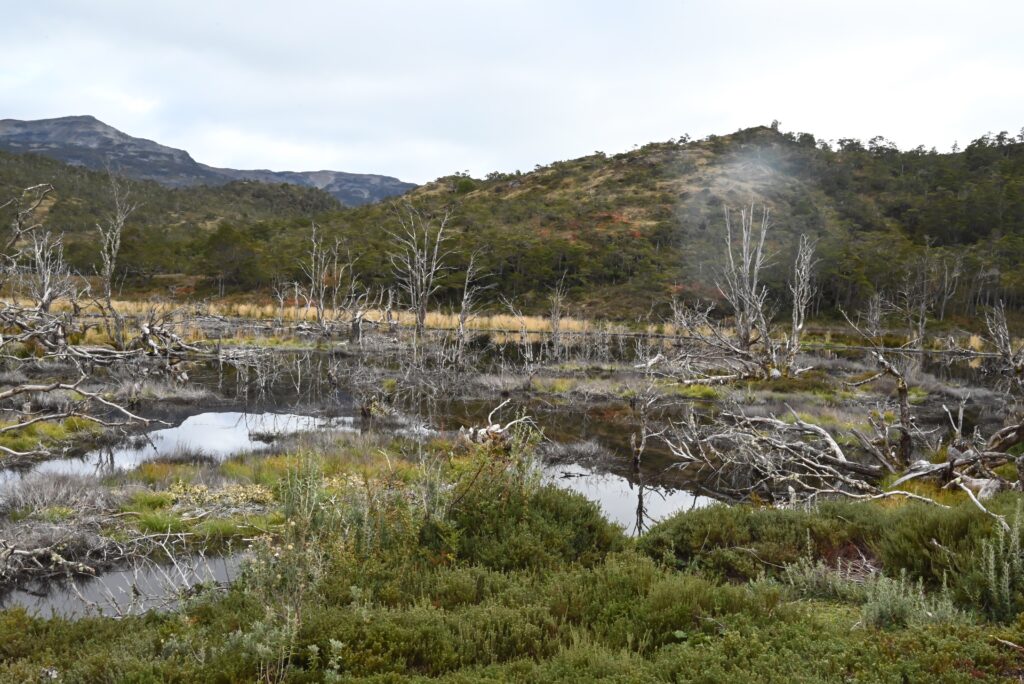
We saw the landscape that was changed by the introduced beavers. They have created a whole new eco system with ponds instead of streams.
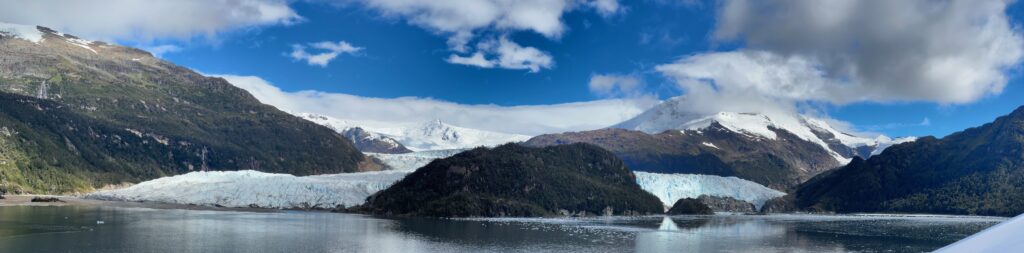
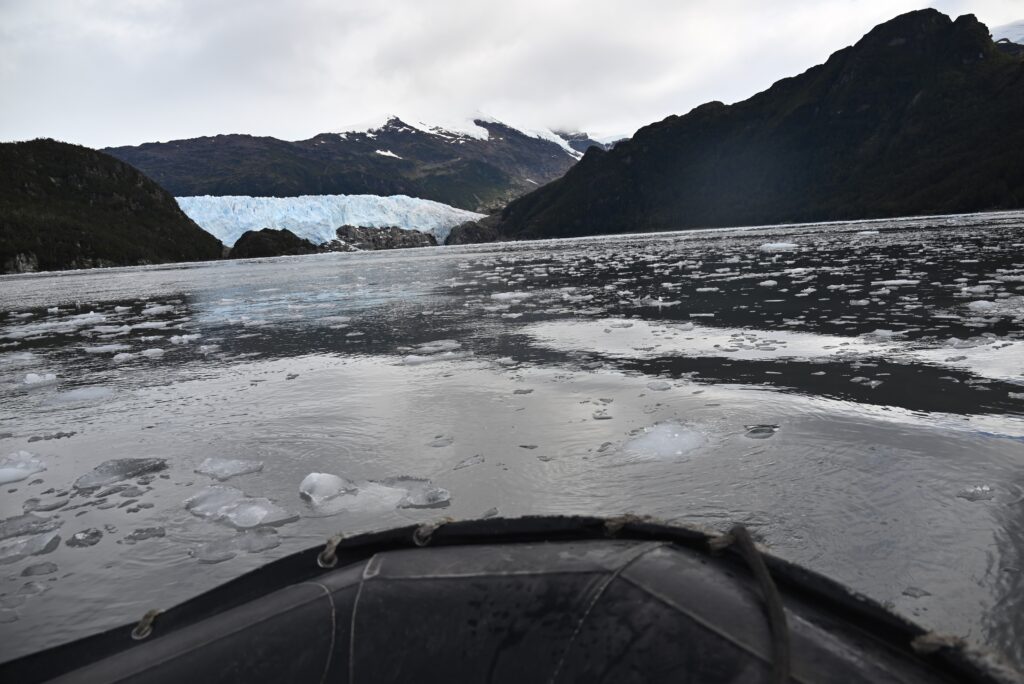
It was exciting to see our first large glacier of the trip. We heard the cracks from the glacier and saw a couple of smaller calving events. We felt like we were right at the glacier but learned when we came back aboard that we were 2 kilometers away.
As we were leaving, I saw two V-shaped wakes in the water that were moving quite fast. I couldn’t figure out what was making those tracks but found out later they were Flightless Steamer Ducks. These ducks flap their short, stubby wings and paddle with their webbed feet and can get up to 24km/hour as they motor across the surface of the water
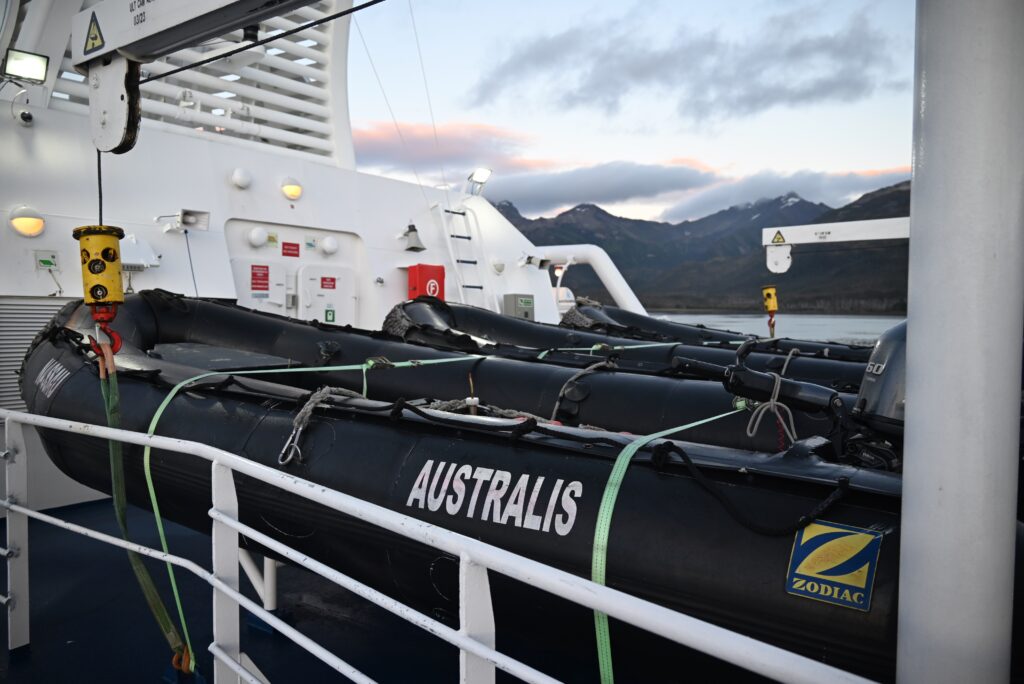
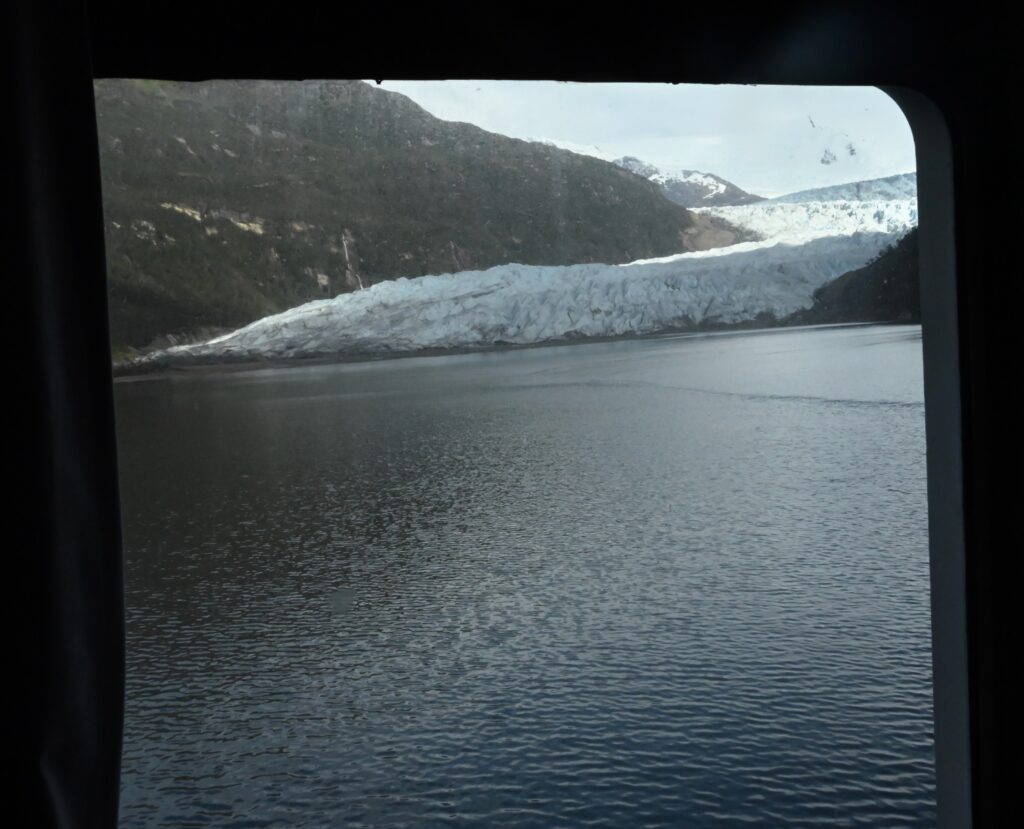
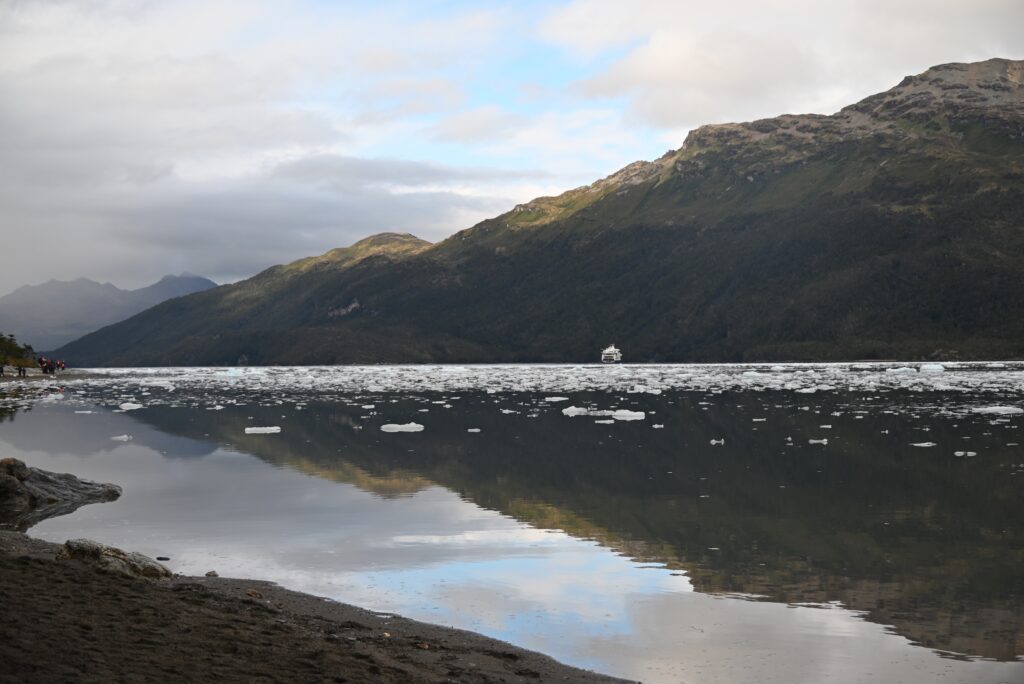
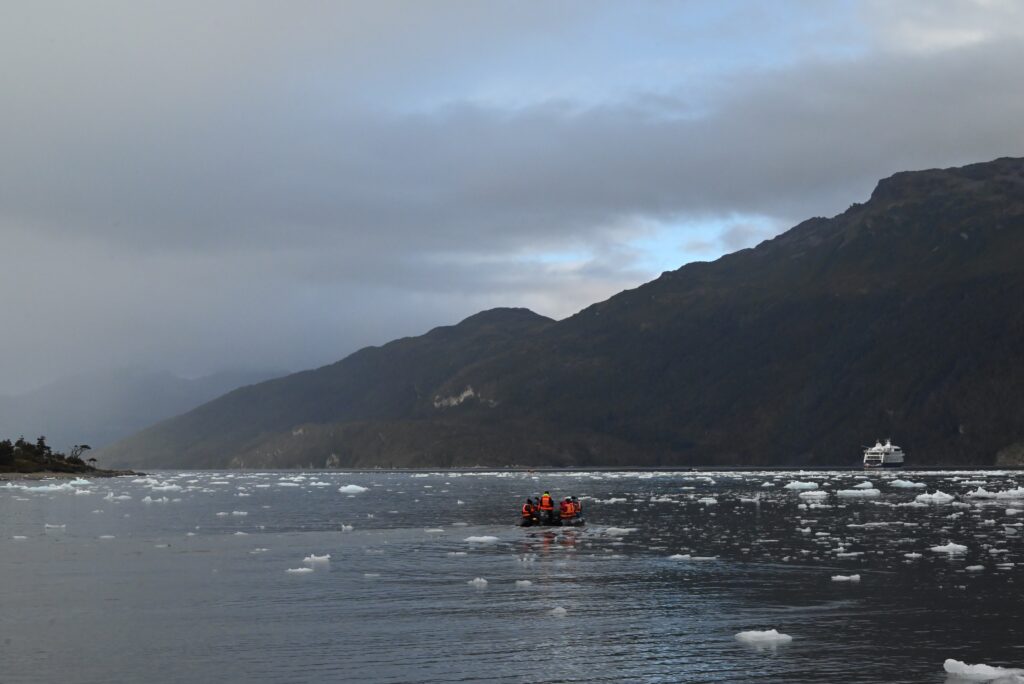
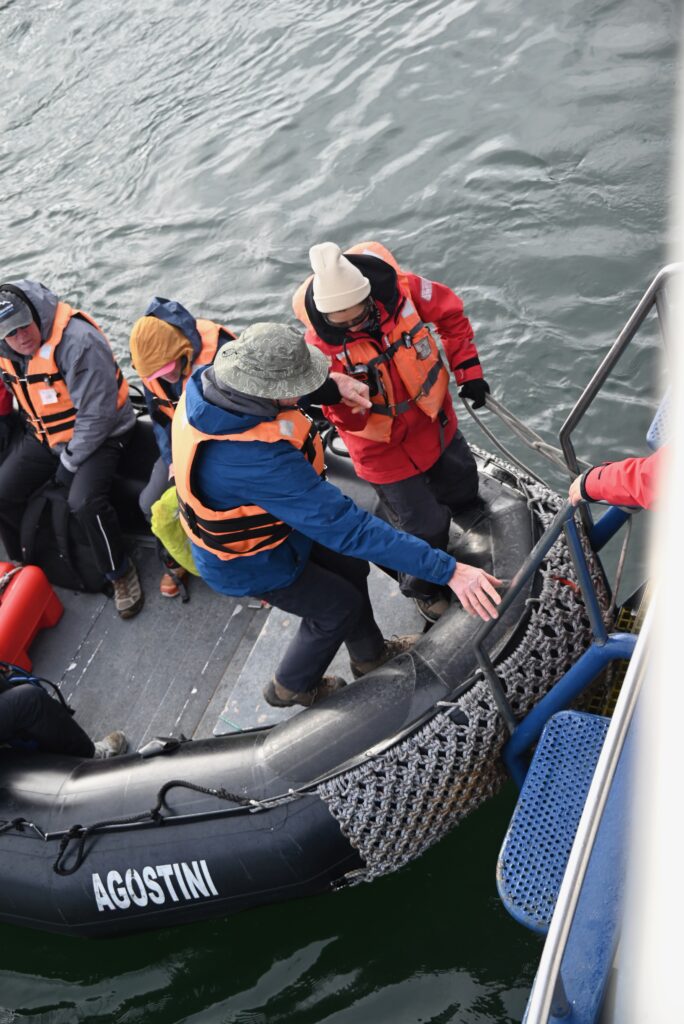
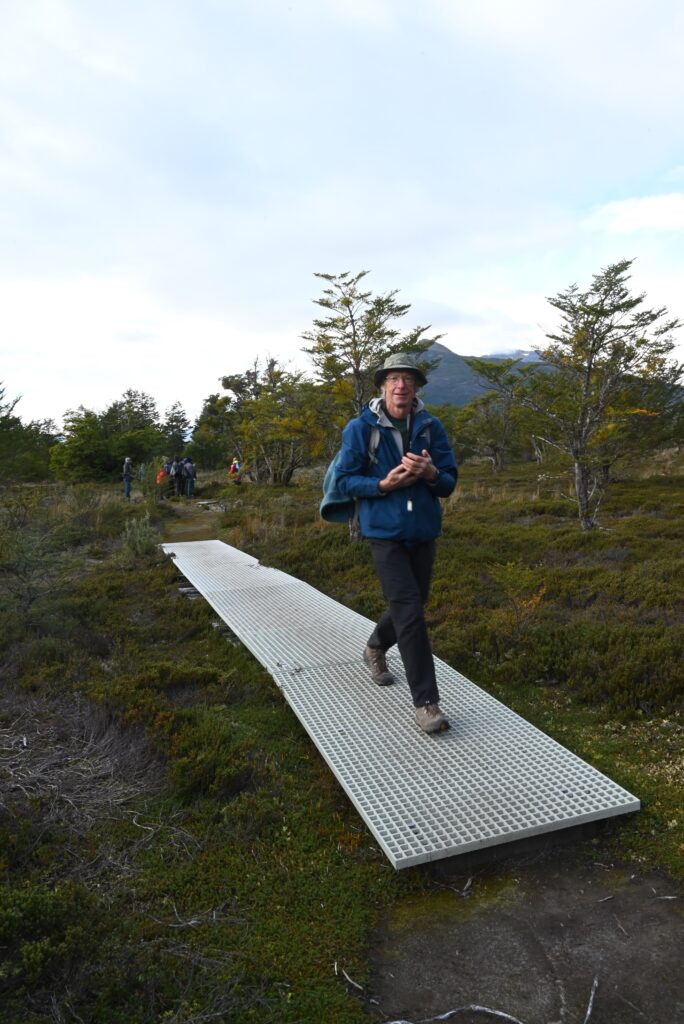
They store the zodiacs on deck 5 of the shipWe take zodiacs from the ship to the shore where we go on the excursionslichen and mosses on the treesbeaver dam and pondThe beavers can chew thru fairly large treesview of a glacier from the window in our roomArriving to our glacier stop, we went to the glacier on the lefton the zodiac on the way to the glacierat one point there was a beautiful reflection for about 10 minutes when the water was calm; that’s our shipas you can see the rain and clouds are coming into the areaGetting from the zodiac onto the ship. Step on the platform in the zodiac, next step is on the rubber of the zodiac and the third step is onto the ship. Each zodiac has a name- this one is called Agostiniwalking the boardwalk on the forest trail
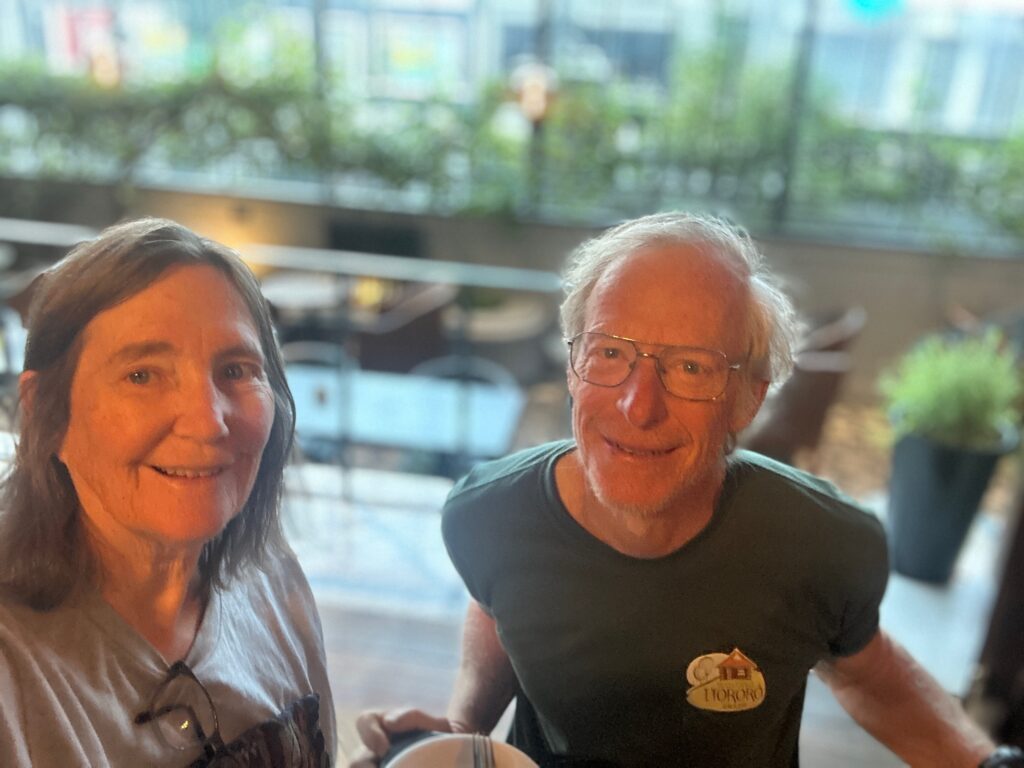
Tibor arrived yesterday afternoon. He was super excited about his trip.
This afternoon we will get onto our ship for our cruise- more on that later. There is no WiFi on the ship so it will be a number of days before I continue this blog.
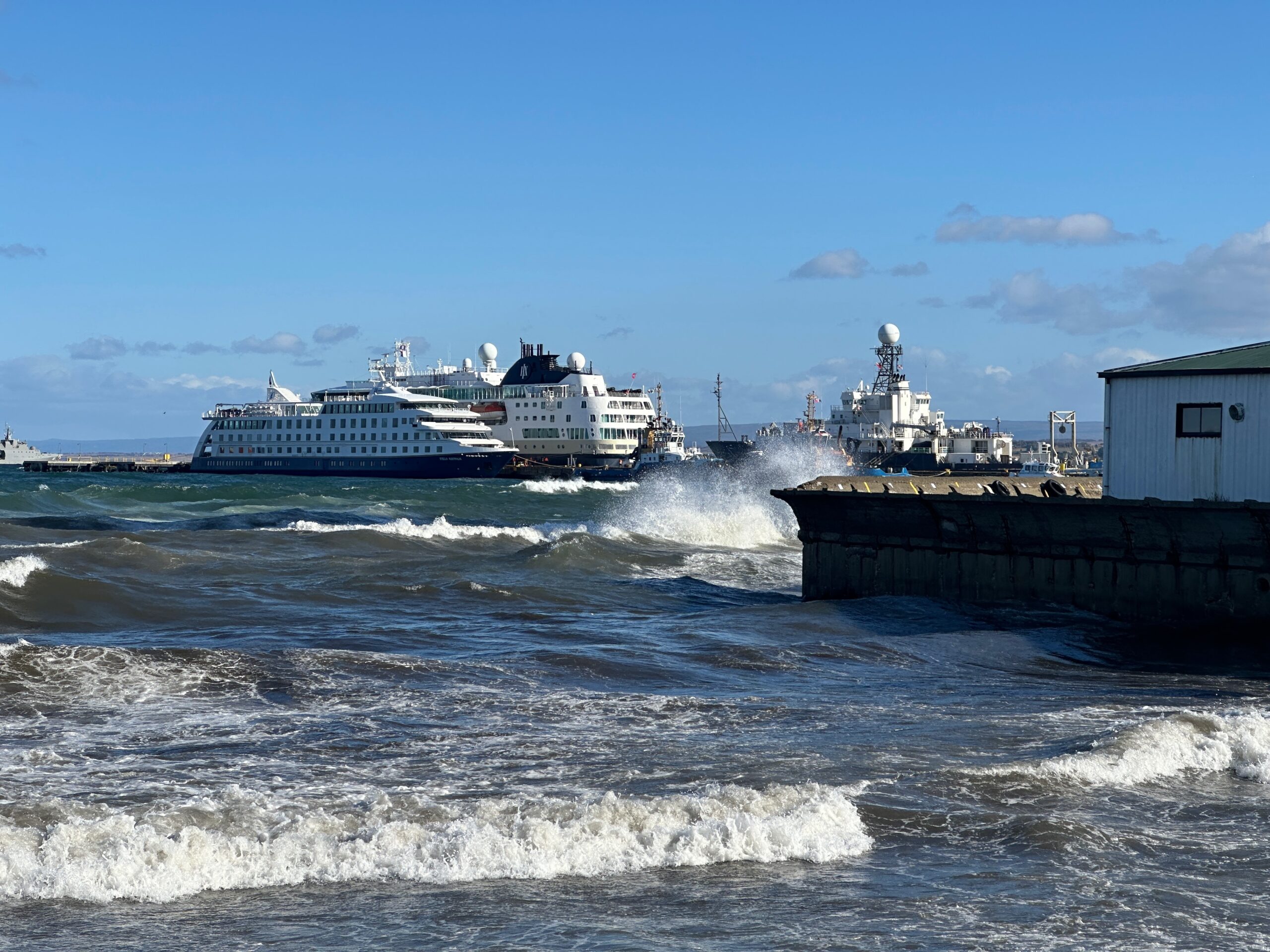
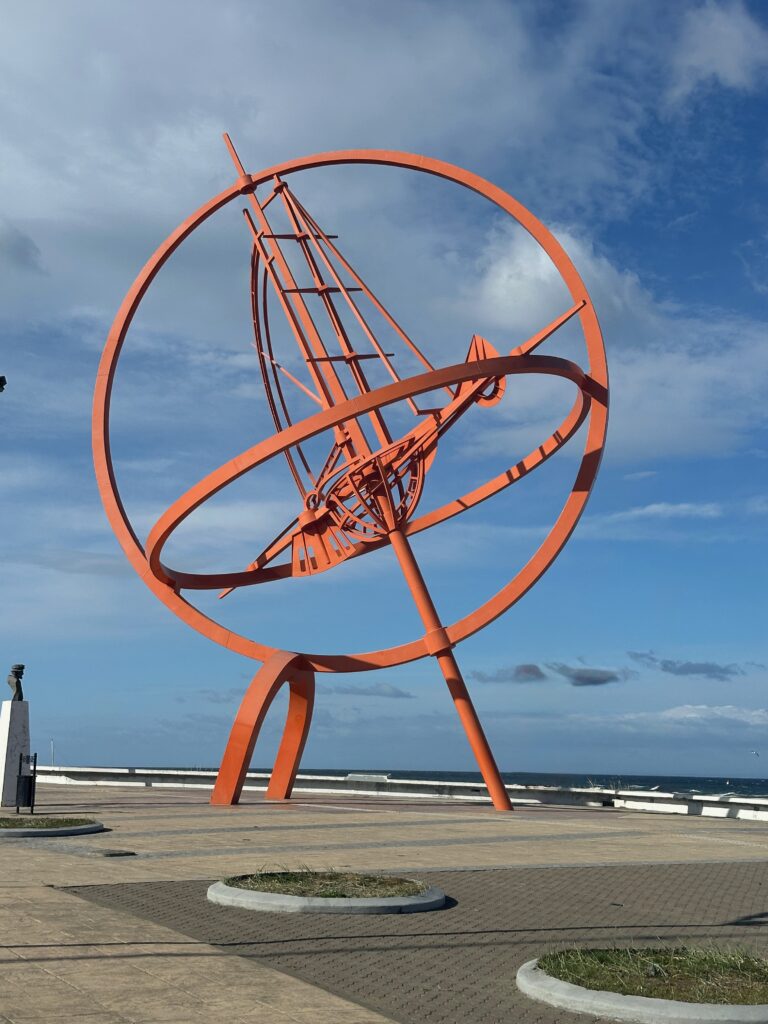
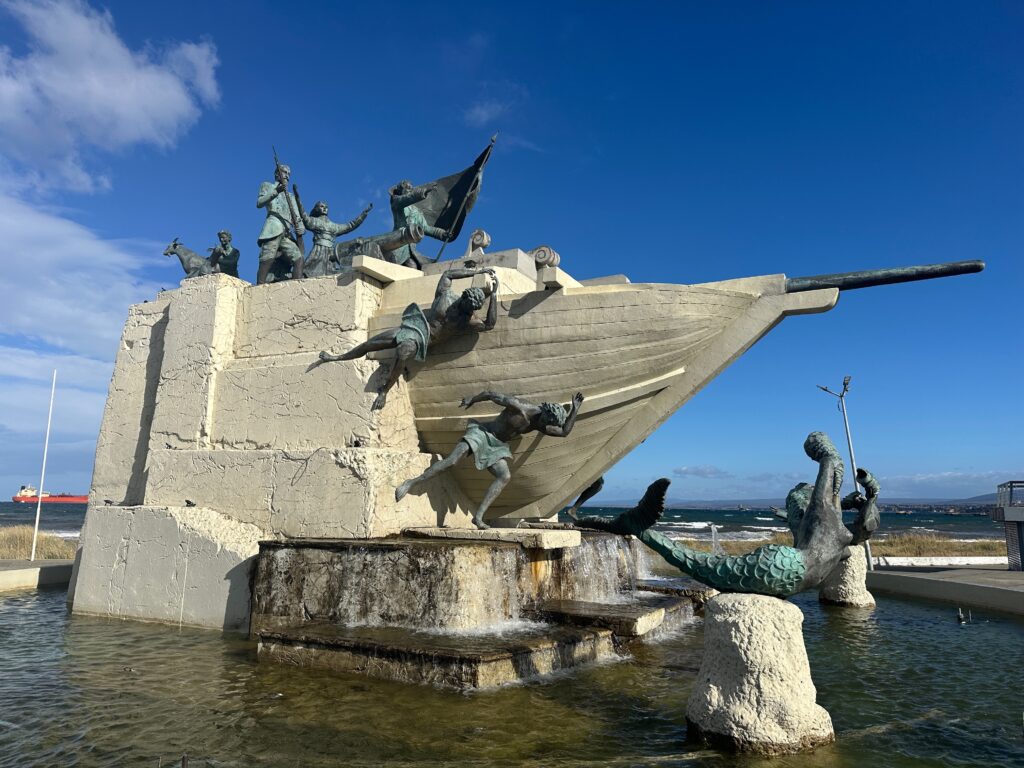
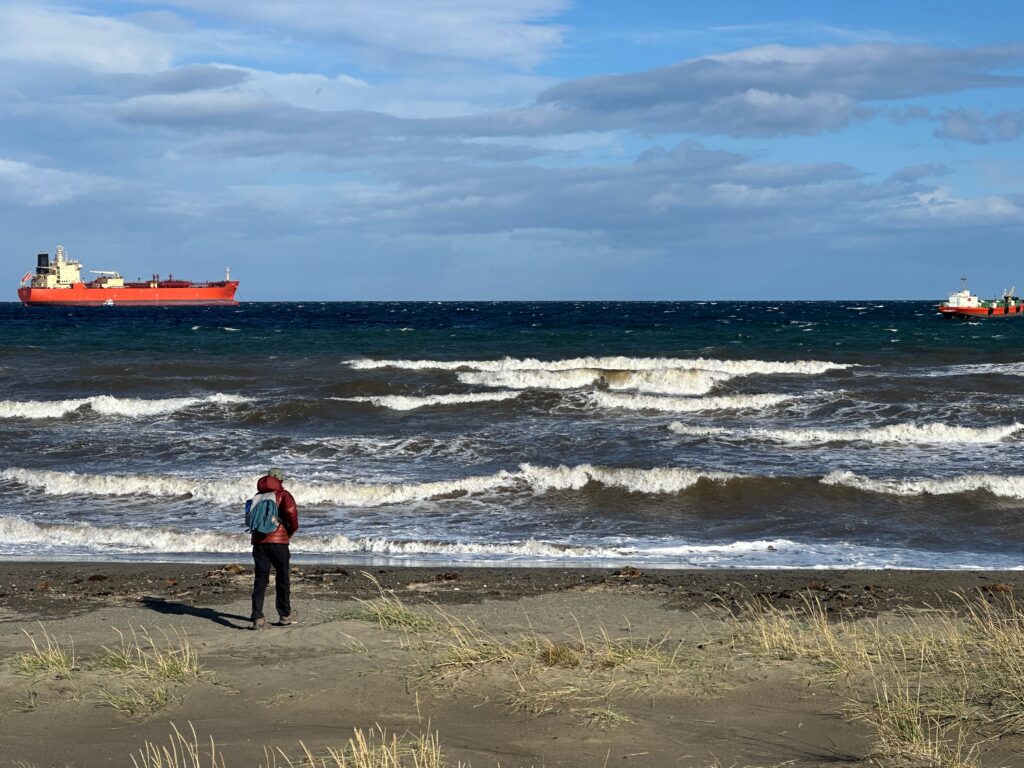
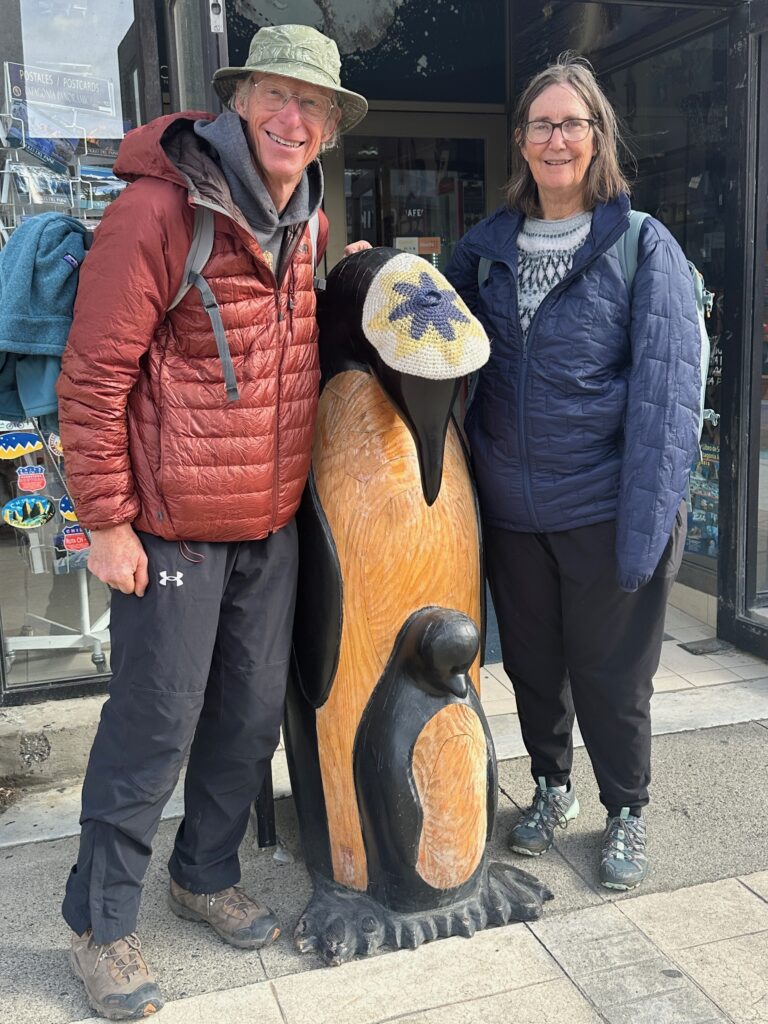
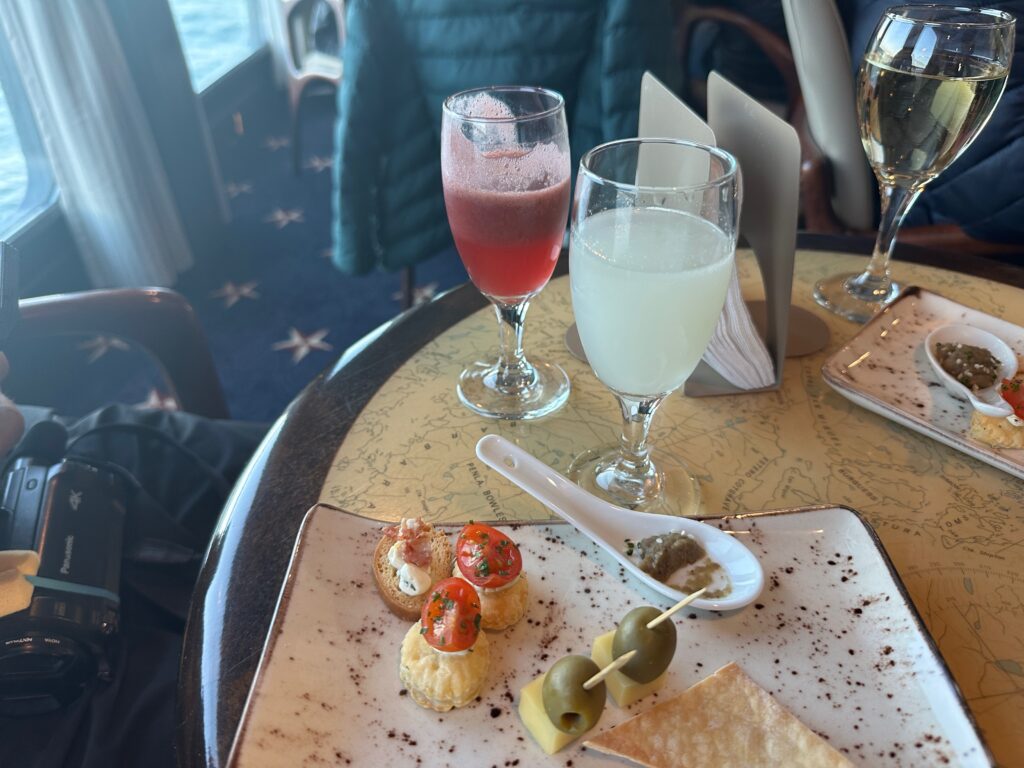
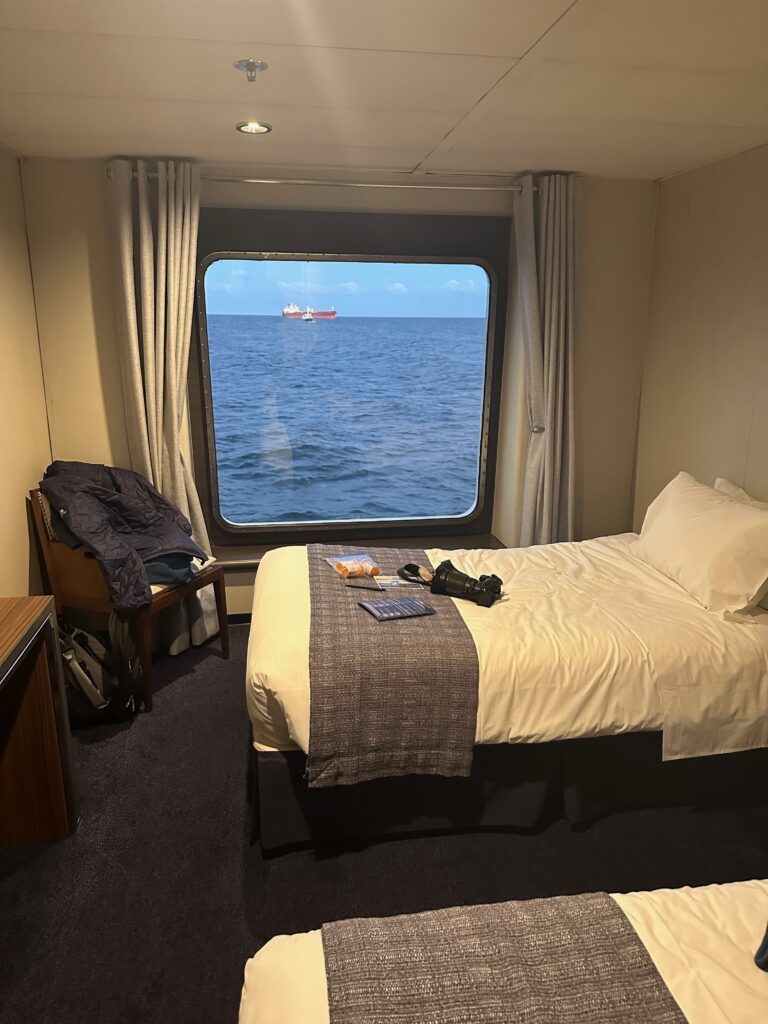
at breakfast with beautiful solarium at our Punta Arenas hotelsculpture at Punta Arenassculpture at Punta ArenasTibor at beach in Punta Arenas near pierIn front of shop in Punta ArenasWelcome of Pisco Sour, Pisco Calafate and snacks aboard the Stella AustralisOur twin room aboard aboard the Stella Australis
Today I took a tour to “Park of the Strait of Magellan- Fort Bulnes”. I took this tour because the other ones I was interested in were full.
It was an interesting tour with great views but I”m spoiled because I’ve had English speakers on other tours. This time the tour guide only knew Spanish. I’m sure he was a very good guide. He talked the entire hour drive to the park and then talked during the hour and a half walk around the park.
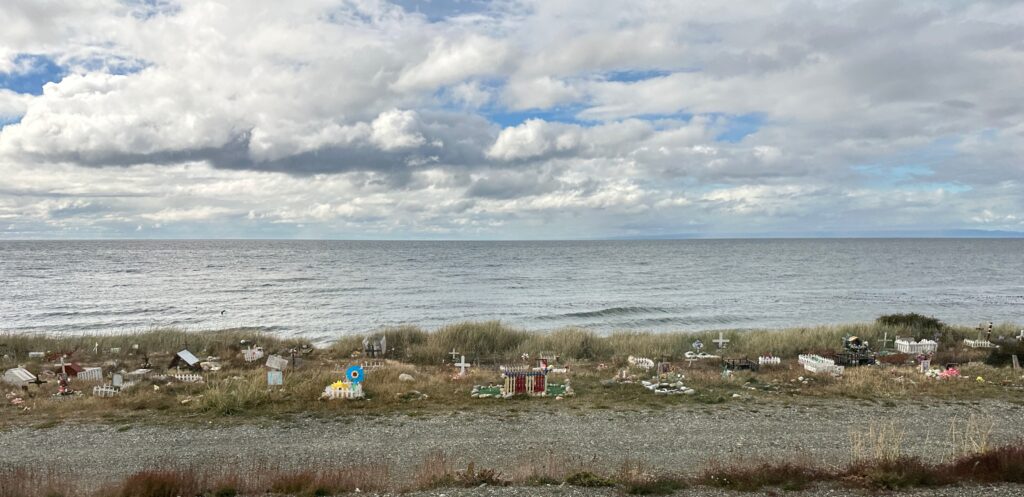
I was bummed because I only understood a few words- vamos (time to go), a la derecha(on the right), cementerio (cemetery- see picture below), aqui (here) and some place names (Punta Arenas, Magellan, America- not sure if it was America, American or South America).
The last stop of the tour was a museum and the guide said to meet back at the bus at trece(13) but I understood tres(3). Since it was only 12:15pm I was surprised to learn we had until 3pm to visit the museum. I watched the other folks on the tour and when they went back to the van so did I. Then I figured out what happened- we were to meet at 13 o’clock e.g. 1pm. Trece and tres sound the same to someone that doesn’t really speak Spanish.
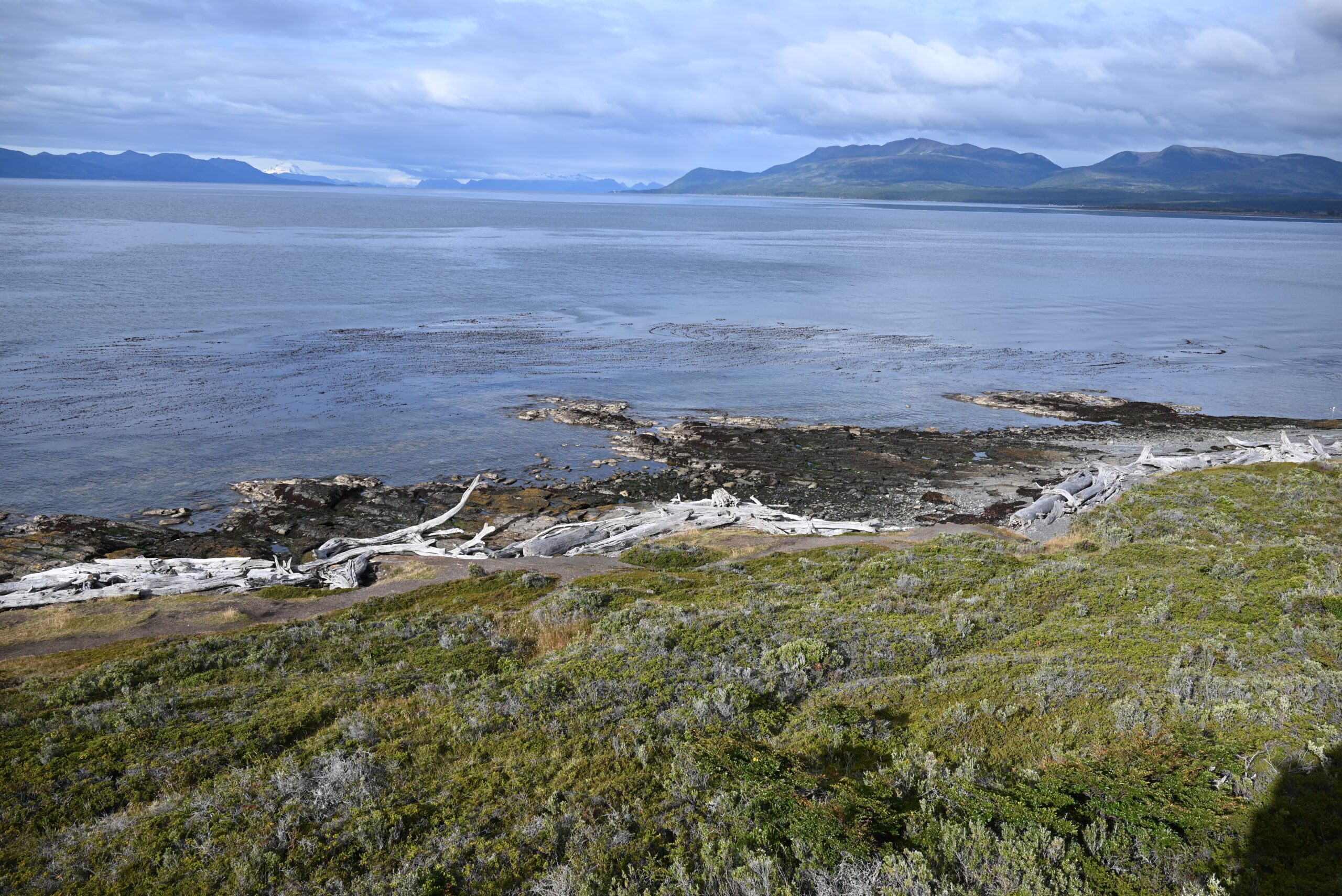
Finally figured out why Fort Bulnes was so important when I purchased a map of the area that had a few paragraphs about tourist spots. Fort Bulnes was the place where Chile made claim to the Patagonia/Strait of Magellan area. It was the settlement which was moved to another location and became the town/city of Punta Arenas. The reason it was moved is because it was very cold and it was difficult to grow food. Even today, it was rainy and windy at Fort Bulnes but nice and mostly sunny in Punta Arenas.
I met TIbor when he came in from his Patagonia hiking trip. He had a great time and hiked/walked over 100 miles!
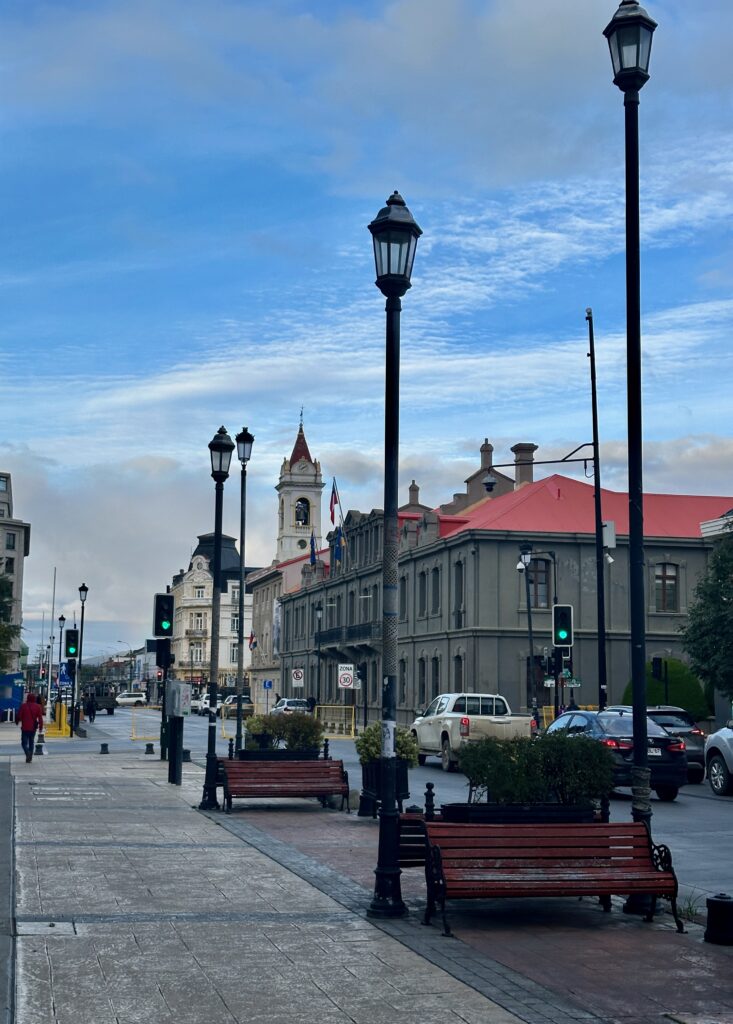
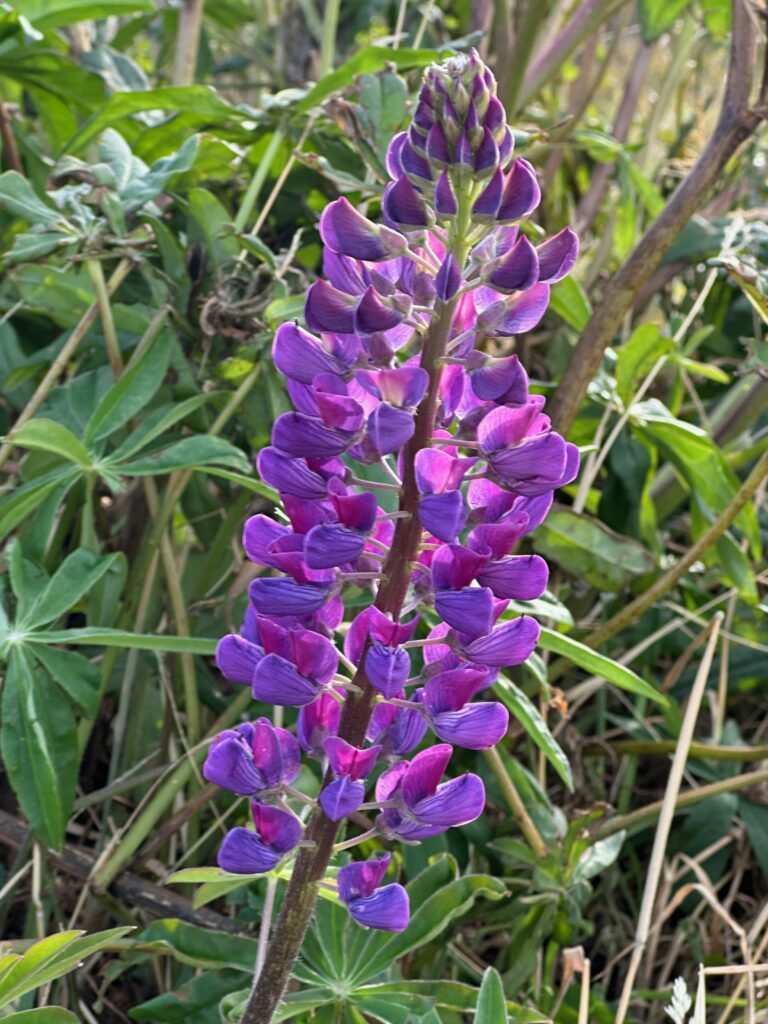
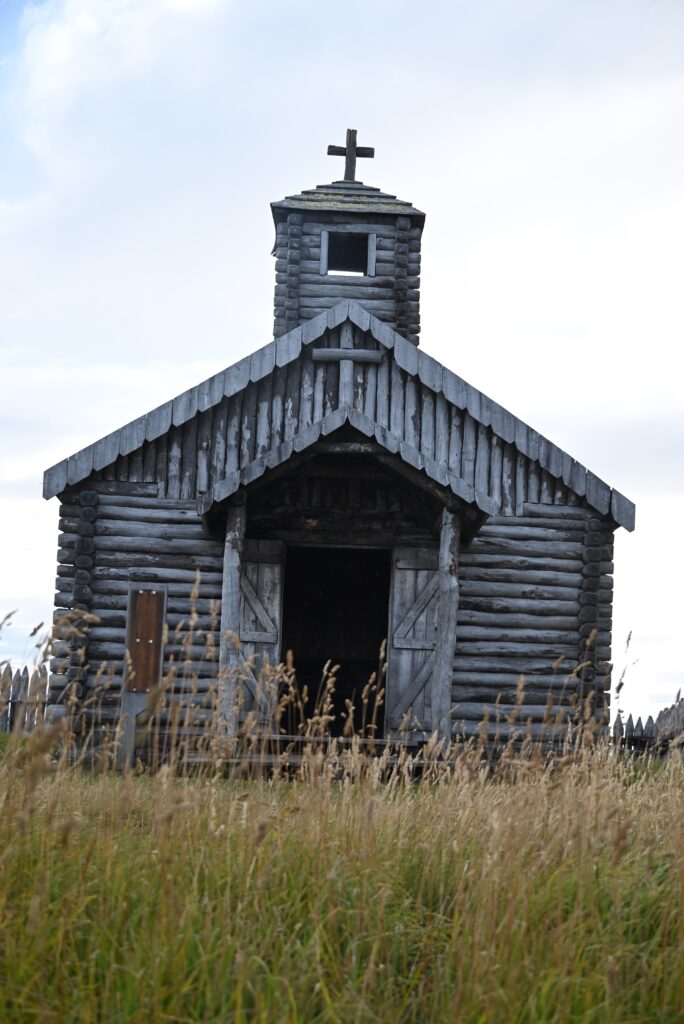
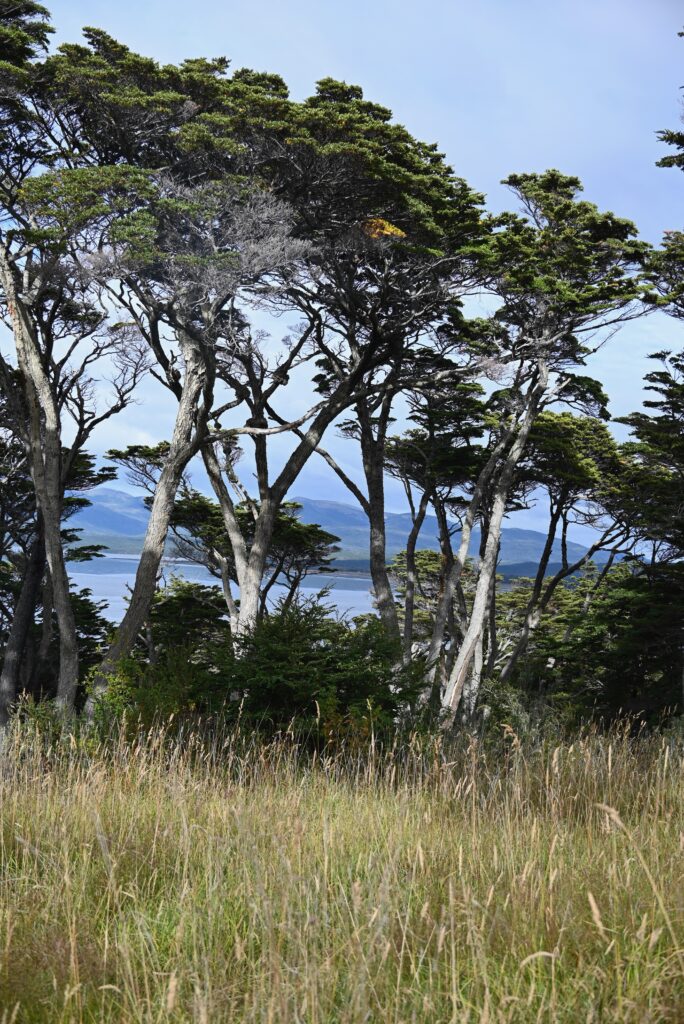
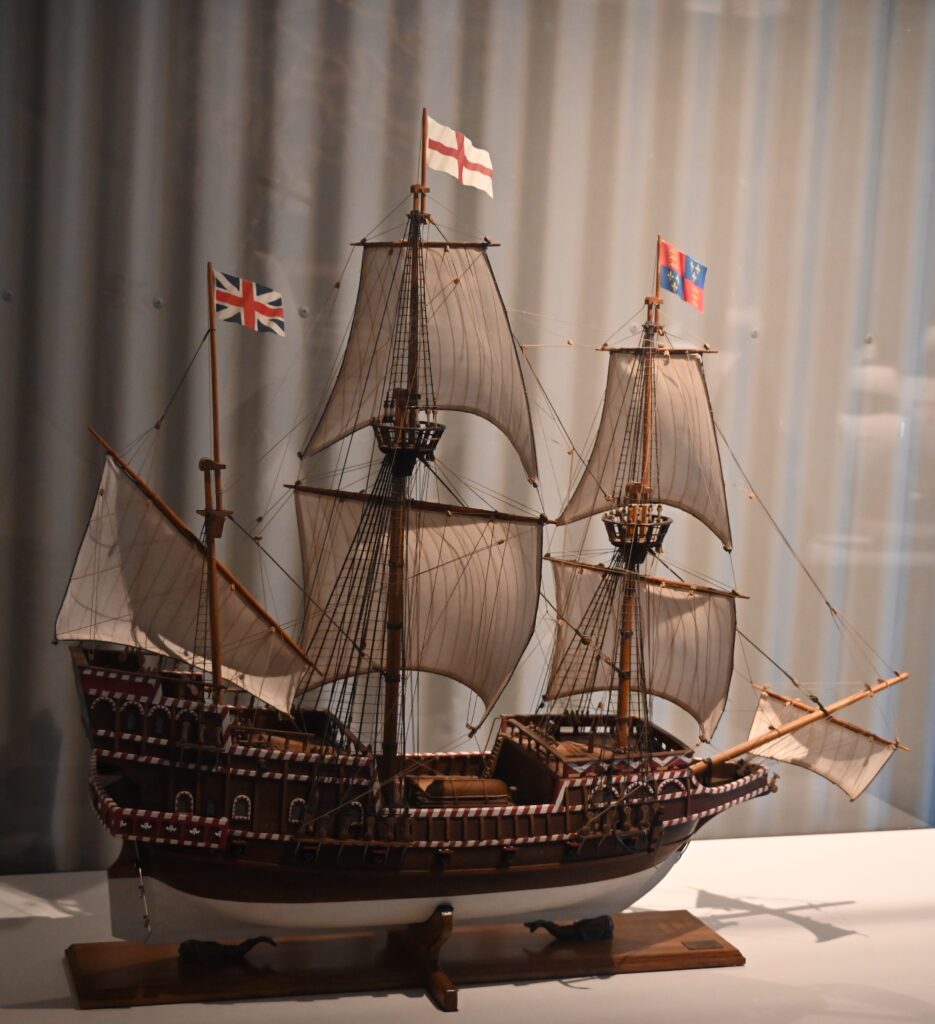
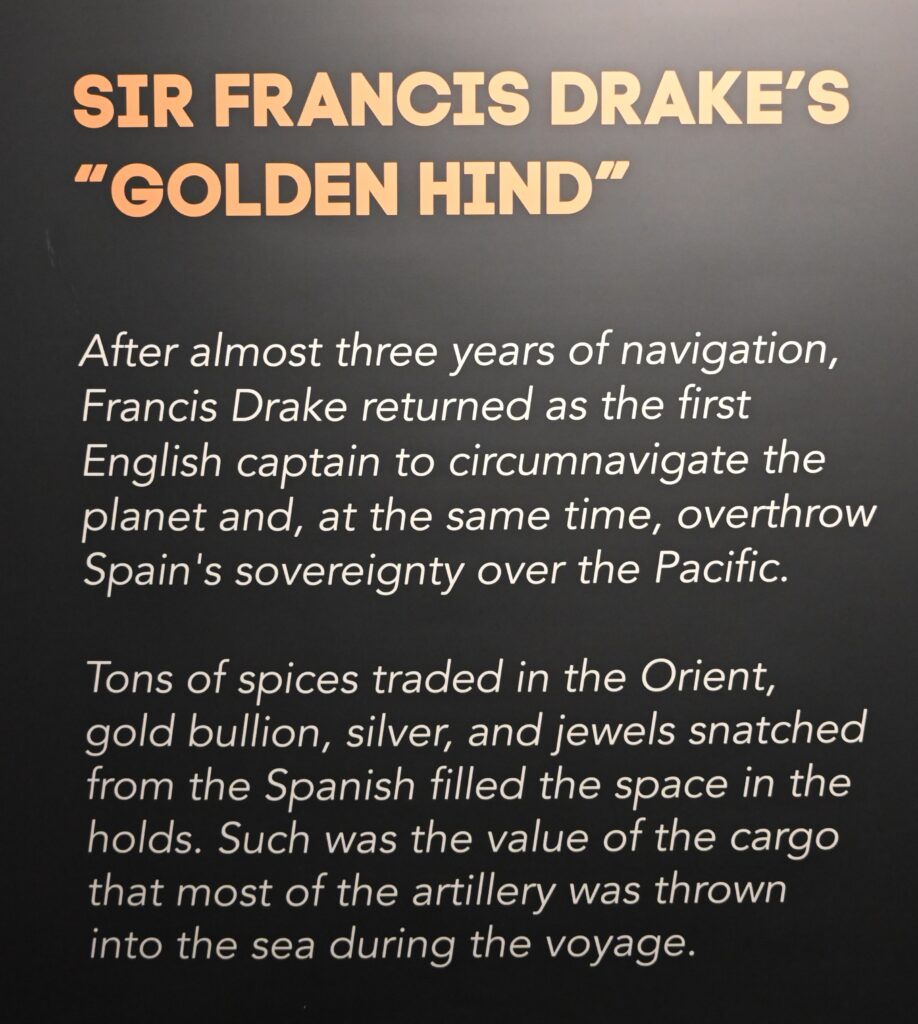
Our hotel is on this street in Punta Arenaslupine along the roadCementerio de Mascotas “San Francisco de Asís. A pet cemetery along the coast line- in case you’re wondering this is where I heard the Spanish word for cemeteryChurch in Fort BulnesForest in Fort BulnesThis Sir Francis Drake’s Golden Hind ship. I couldn’t believe how small the ships were from the famous explorersAnd they brought riches home (if they even made it home)